
The Third Trimester Reality Check
At 32 weeks pregnant with my first baby, I had this moment of pure panic. I was folding tiny onesies (for the third time that week, because what else was I supposed to do?) when it hit me: I had absolutely no clue what I was actually supposed to be preparing for. Sure, I'd read the books and bought the stuff, but there I was, eight weeks from my due date, feeling completely unprepared for the reality of bringing a human home.
Here's what I wish someone had told me then: the third trimester isn't just about waiting around and growing a baby—it's about strategic preparation that'll save your sanity later.
I've been there. I've felt that overwhelming mix of excitement and "oh-my-God-what-have-I-done" that hits most first-time moms around week 28. The good news? Having a concrete checklist removes all the guesswork. You don't need to wonder if you're forgetting something important or worry about whether you're doing this whole preparation thing right.
This isn't another list of vague suggestions about "getting rest" (thanks, but not helpful when you can't sleep past 4 AM). I'm giving you 18 specific, actionable tasks that'll actually prepare you for what's coming. These cover everything from the practical stuff nobody talks about to the emotional prep work that makes all the difference.
What Should I Prepare in My Third Trimester? The Complete Breakdown
Look, I get it. Everyone's got opinions about what you should be doing right now. Your mom says one thing, your sister says another, and Google just makes everything worse. Let me break this down into what actually matters.
Third trimester preparation falls into three major categories: physical preparation (getting your body and medical care ready), logistical prep (all the practical stuff that needs handling), and mental/emotional readiness (because your brain needs prep time too).
Here's why the third trimester is the sweet spot for all this: it's not so early that things might change dramatically, but it's not so late that you're scrambling while having contractions. I learned this the hard way when my friend Sarah went into labor at 36 weeks with nothing packed and no pediatrician chosen. Don't be Sarah.
The 18-task framework I'm about to walk you through isn't overwhelming when you spread it across 12 weeks. I thought I was totally prepared at 30 weeks with my second baby. Then during a routine appointment, my doctor casually mentioned finalizing my birth plan, scheduling a hospital tour, and arranging childcare for my toddler. Suddenly, my "I've got this" confidence crumbled, and my to-do list tripled.
That's exactly why this checklist exists—so you won't have those surprise moments.
The Physical Preparation Tasks (Items 1-6)
Task 1: Schedule and Complete Your Hospital Tour
I cannot stress this enough: do the hospital tour. I skipped it with my first baby because I thought I'd figure it out when I got there. Bad idea. When you're in labor, the last thing you want is to be confused about where to park or which entrance to use at 2 AM.
Here's what you'll actually see: labor rooms (where you'll spend most of your time), delivery suites (if they're separate), postpartum recovery areas, and potentially the NICU. Don't just nod along—ask questions. Where do partners sleep? What are visiting hours? Do you have rooming-in policies? What pain management options are available right there on the unit?
My best tip? Schedule your tour for a Tuesday or Wednesday afternoon. Weekends are crazy busy, and evenings often have restricted access. When I toured during a quieter time, the nurse actually had time to show me the little things, like where the ice machine was (trust me, you'll want to know) and how to work the bed controls.
If in-person tours aren't available, most hospitals offer virtual ones now. It's not the same as walking the halls, but it's better than showing up blind.
Here's your tour question checklist:
- Where do we park and enter during labor?
- What should we bring versus what's provided?
- What's the policy on support people and visitors?
- How do room assignments work, and can we request specific features?
Task 2: Finalize Your Birth Plan and Discuss It With Your Care Team
Let's clear something up right away: your birth plan isn't a contract with the universe. It's a communication tool that helps your medical team understand your priorities and preferences. I've seen too many first-time moms stress about creating the "perfect" birth plan, then feel like failures when things don't go exactly as written.
Your birth plan should cover pain management preferences (epidural, natural, nitrous oxide), delivery positions you'd like to try, immediate postpartum care (skin-to-skin contact, delayed cord clamping), and feeding plans. Keep it to one page—seriously. Nobody has time to read your three-page manifesto while you're pushing.
Here's a real example from my own experience: I wanted a natural birth and wrote that down. But my OB sat me down and said, "Let's also talk about what you want if we need a c-section or if labor stalls." Having those conversations in advance meant I felt prepared for different scenarios, not just my ideal one.
The key is discussing variations with your care team before you're in labor. What happens if you need a c-section? What if baby needs immediate medical attention? What if you change your mind about pain management? Talking through these possibilities doesn't jinx anything—it just means you won't be making decisions under pressure.

Task 3: Get Your Prenatal Testing and Screening Done
The third trimester comes with its own set of tests, and honestly, they're not as scary as Google makes them sound. Most happen between 28-36 weeks, so don't put this off.
You'll typically get a glucose screening test (checking for gestational diabetes), Group B Streptococcus (GBS) testing around 35-37 weeks, updated blood work, and likely another ultrasound. These aren't "pass or fail" situations—they're just making sure you and baby are healthy and helping your medical team prepare for delivery.
Here's what happened with my GBS test: it came back positive, and I completely panicked. I called my midwife crying, convinced something was wrong with me or the baby. She calmly explained that about 25% of pregnant women test positive, it's totally manageable with antibiotics during labor, and it doesn't affect the baby long-term. Knowing this information six weeks before my due date gave me time to process it instead of freaking out during labor.
The glucose test is another one that causes anxiety. If you don't pass the initial screening, you'll do a longer three-hour test. Even if you "fail" that one, gestational diabetes is manageable with diet changes and monitoring. The key is catching these things early so you can address them.
Don't skip these appointments or put them off. The timing matters for getting results back and making any necessary adjustments to your birth plan.
Task 4: Start Pelvic Floor Exercises and Prenatal Physical Therapy
Okay, this is the advice nobody wants to hear but everyone needs: start doing pelvic floor exercises now. Not just kegels (though those help), but actual pelvic floor physical therapy if you can swing it.
I know it feels awkward. I know it's not fun. But here's what I wish I'd known: a strong, functional pelvic floor makes labor easier, recovery faster, and prevents a whole host of postpartum issues like incontinence and pelvic organ prolapse. Sexy topics? No. Important? Absolutely.
With my first baby, I skipped all this because I was young and figured my body would just bounce back. Wrong. With my second, I found a pelvic floor physical therapist at 30 weeks and did exercises religiously. The difference in my recovery was night and day.
Here are three exercises you can start today:
- Diaphragmatic breathing: Lie down, hand on chest and belly, breathe so only the bottom hand moves
- Modified kegels: Instead of just squeezing, focus on lifting and releasing your pelvic floor muscles
- Cat-cow stretches: On hands and knees, alternate between arching and rounding your back
If you can find a pelvic floor PT, even better. They'll assess your specific needs and give you personalized exercises. Many work with pregnant women and can teach you techniques for labor too.
Task 5: Attend Childbirth Education Classes (In-Person or Online)
I was skeptical about childbirth classes. I'd read books, watched videos, and figured I knew what to expect. But here's what the classes actually taught me: practical techniques I used during real labor.
Good classes cover the stages of labor (so you know what's happening when), pain management techniques beyond "breathe through it," your partner's role (because they're probably freaking out too), and what postpartum recovery actually looks like.
The interactive part is what made the difference for me. We practiced different positions for labor, learned counter-pressure techniques my husband could use, and went through scenarios like "what if your water breaks at home?" Having practiced these things made me feel more in control when labor actually started.
You've got options: hospital-based classes, independent childbirth educators, or online programs. Hospital classes tend to focus on their specific protocols, while independent educators often cover more alternatives. Online classes offer flexibility but miss the hands-on practice.
My recommendation? Do something. Even if you're a second-time mom, classes can be a good refresher and help your partner feel more prepared. The confidence boost alone is worth it.
Task 6: Establish Your Pediatrician and Finalize Feeding Plans
This feels premature when you're still pregnant, but trust me—you don't want to be researching pediatricians while dealing with a newborn who won't sleep.
Start by asking friends for recommendations, checking with your insurance for covered providers, and reading reviews. Then actually interview a few. Yes, interview them. You're going to be seeing this person a lot in the first year.
Questions to ask: What's their philosophy on feeding (breast, formula, combo)? How do they handle after-hours concerns? What's their schedule like for well-baby visits? Do they support your parenting style?
Here's where feeding plans come in. I assumed I'd breastfeed exclusively and didn't think about alternatives. But I also wanted a pediatrician who wouldn't make me feel guilty if breastfeeding didn't work out. Having those conversations before baby arrives removes pressure later.
Whether you plan to breastfeed, formula feed, or do combination feeding, line up your resources now. Find a lactation consultant if you want breastfeeding support. Research formula options if that's your plan. Know where to get help if feeding doesn't go as expected.
I ended up combo feeding both my babies for different reasons, and having a pediatrician who supported that choice made those early weeks so much less stressful.
The Logistical Preparation Tasks (Items 7-13)
When Should I Pack My Hospital Bag? Timing and Strategy
Here's the official answer everyone wants: pack your hospital bag by 36 weeks. But here's the real answer: pack it whenever it'll make you feel better, just refresh it before your due date if you pack early.
I packed my first bag at 32 weeks because I was anxious and needed something concrete to do. My sister packed hers at 38 weeks because she didn't want to jinx anything. Both approaches work fine—the key is having it ready before you could realistically go into labor.
Why 36 weeks is the magic number: you could go into labor anytime after 37 weeks (considered full-term), and you definitely don't want to be throwing random items in a bag while timing contractions. I learned this from my friend who went into labor at 36 weeks and had her partner frantically packing while she breathed through contractions in the car.
Here's my two-bag strategy: pack one bag for you and one for your partner/support person. They need snacks, phone chargers, and comfort items too. Don't make them figure this out while you're in labor.
Also, pack a separate bag that stays in the car with extra supplies. Because Murphy's Law says you'll forget something important, and it's easier to grab backup items from your car than send someone home.

Task 7: Pack Your Hospital Bag (The Right Way)
Let me save you from the mistakes I made. I packed a beautiful maternity nightgown for labor. Want to know what I actually wore? Hospital gowns that I didn't mind getting completely destroyed. Pack things you won't cry over if they get messy or lost.
For labor, you'll actually use:
- Comfortable clothes for early labor at home (yoga pants, loose shirt)
- Entertainment for early labor (books, tablets, music)
- Basic toiletries (toothbrush, face wash, deodorant)
- Phone charger (the most important item on this list)
- Snacks for your partner
For postpartum recovery:
- Clothes in your pre-pregnancy size (your belly doesn't disappear immediately)
- Front-opening pajamas or nursing tops
- Comfortable underwear you can throw away
- Slippers with grip soles
- Your own pillow (in a colored pillowcase so it doesn't get mixed up)
For baby:
- Newborn AND 0-3 month outfits (you don't know how big baby will be)
- Weather-appropriate going-home outfit
- Car seat (obviously, but worth mentioning)
The items everyone forgets:
- Copies of insurance cards and ID
- Camera (if you want photos beyond phone pics)
- Nursing bras (even if you're not planning to breastfeed)
- Lip balm (hospitals are dry)
- Hair ties
Here's my real talk about what I actually used: my phone charger, lip balm, my own pillow, and comfortable clothes to go home in. Everything else stayed in the bag. Pack light and pack practical.
Task 8: Arrange Postpartum Support and Childcare
This is where first-time moms often underestimate what they'll need. You're going to be physically recovering from birth, hormonally adjusting, sleep-deprived, and learning how to care for a newborn. You need help, and that's not weakness—that's smart planning.
Postpartum support looks different for everyone. Maybe it's your mom staying for a week, your best friend bringing meals, or hiring a postpartum doula. The key is arranging it now, not hoping it'll work out later.
Here's what actually helps in those first few weeks:
- Someone to hold the baby so you can shower
- Meal preparation (not just one casserole—think two weeks of dinners)
- Light housework (laundry, dishes, basic cleaning)
- Grocery shopping and errands
- Emotional support (someone to listen when you cry for no reason)
I arranged for my mom to stay the first week, then my sister took the second week. Having a schedule meant everyone knew their role, I had consistent help, and nobody felt overwhelmed by indefinite commitments.
If family isn't available or helpful (and that's okay—not all families are), consider other options: postpartum doulas, meal delivery services, cleaning services, or organizing a meal train with friends. Spend money on help if you can afford it. It's worth every penny.
For moms with older kids: arrange childcare for the birth and immediate postpartum period. Your toddler doesn't need to see you in labor, and you don't need to worry about entertaining them while recovering.
Task 9: Finalize Insurance and Hospital Paperwork
This is boring but essential administrative stuff that's much easier to handle when you're not in labor. I know it's tedious, but doing it now prevents headaches (and surprise bills) later.
What you need to verify:
- Your insurance coverage for pregnancy and delivery
- What your out-of-pocket costs will be (deductible, copays, facility fees)
- Whether your chosen hospital and doctors are in-network
- How billing works (some places bill separately for different services)
What you need to do:
- Pre-register at your hospital (most let you do this online now)
- Understand your insurance's authorization requirements
- Get copies of all your important documents
- Add baby to your insurance policy (you usually have 30 days after birth)
Here's what caught me off guard: my hospital's facility fee was separate from my doctor's fee, and my insurance covered them differently. Finding this out during pregnancy meant I could budget for it instead of getting a surprise bill later.
Most hospitals have financial counselors who can walk you through this stuff. Use them. They know the ins and outs of insurance coverage and can help you understand what you'll actually pay.
Task 10: Prepare Your Home for Postpartum Recovery
Your home needs to support a person who's bleeding, sore, hormonal, and sleep-deprived. This isn't about having a Pinterest-perfect nursery—it's about practical comfort.
Set up a recovery station wherever you'll spend the most time (probably your bedroom or living room). You'll need: water bottles, snacks, phone charger, TV remote, nursing supplies, baby care items, and comfortable seating with good back support.
Stock up on postpartum supplies:
- Heavy-duty pads (think overnight, not regular)
- Comfortable, disposable underwear
- Peri bottles and witch hazel pads
- Stool softeners (you'll thank me later)
- Easy meals and snacks
Baby-proof your recovery: Set up diaper changing stations on every floor. Stock each with diapers, wipes, extra clothes, and burp cloths. You don't want to be running up and down stairs more than necessary.
Prep for visitors: Decide on visiting policies now and have your partner enforce them. You're not required to entertain people while recovering. Real friends will understand boundaries.
I set up a little command center on my nightstand with everything I needed for middle-of-the-night feeding and diaper changes. It sounds overly organized, but when you're functioning on two hours of sleep, having everything within arm's reach is a lifesaver.
Task 11: Meal Prep and Stock Your Pantry
You're going to be hungry, tired, and short on time. Cooking elaborate meals will not be happening. Accept this now and plan accordingly.
Freezer meal prep: Make double batches of your current dinners and freeze half. Soups, casseroles, and slow cooker meals freeze well. Label everything with cooking instructions because you won't remember what anything is later.
Stock your pantry with easy, nutritious options: oatmeal, granola bars, nuts, crackers, canned soup, pasta sauce, frozen vegetables. Think about foods you can eat one-handed while holding a baby.
Postpartum-specific foods: If you're breastfeeding, you'll be extra hungry and thirsty. Stock up on lactation cookies (whether they actually work is debatable, but they taste good), plenty of water bottles, and high-protein snacks.
Set up a snack station in your bedroom or wherever you'll be feeding baby. Middle-of-the-night nursing sessions are long, and you'll want something to eat.
I organized a meal train with friends for weeks 2-4 (week 1 was covered by family). Having dinner show up every other day was amazing, and my friends felt like they were helping in a concrete way.
Task 12: Install Car Seat and Schedule Safety Check
Your baby cannot leave the hospital without a properly installed car seat. This isn't negotiable, and you can't wing it in the parking lot after delivery.
Install your car seat now and get it checked by a certified technician. Most fire stations, police departments, and children's hospitals offer free car seat checks. Use this service—even if you're handy, car seat installation is trickier than it looks.
What they'll check: Whether the seat is appropriate for your car, if it's installed tightly enough, if the harness fits correctly, and if you're using it according to manufacturer instructions.
I thought I'd installed my first car seat perfectly. The technician found three things wrong with it in about 30 seconds. Better to learn this now than discover problems when you're leaving the hospital with a newborn.
Pro tip: If you're having multiple car seats installed (for different cars), get them all checked. Each car is different, and installation can vary.
Task 13: Organize Important Documents and Emergency Plans
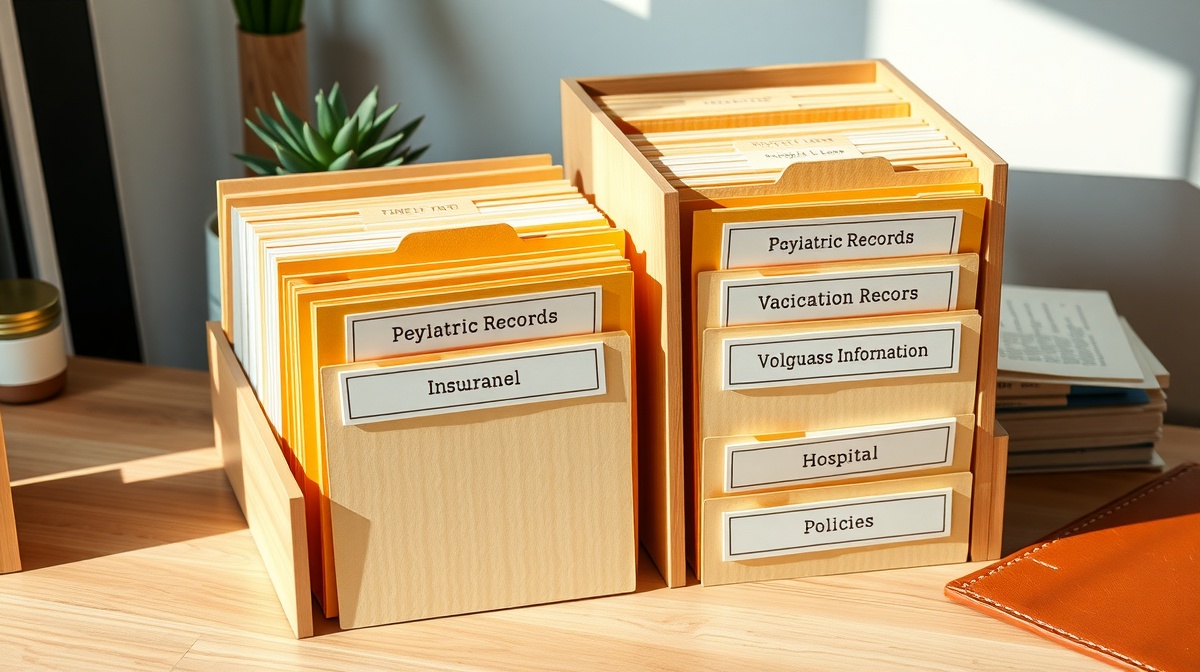
Create a central location for all your important documents: insurance cards, hospital paperwork, pediatrician contact info, emergency contacts, and birth preferences. Your partner should know where everything is.
Set up your emergency plan: Who do you call when labor starts? What's your backup plan if your primary support person isn't available? How do you get to the hospital at different times of day? What if you go into labor while your partner is at work?
Create a contact list for after baby arrives: family members who want updates, friends who are helping with meals, your employer, and your pediatrician's office. Having this ready means you're not trying to remember phone numbers while exhausted.
I made a simple document with all this information and put copies in our hospital bag, on our refrigerator, and in my husband's wallet. Overkill? Maybe. But when I went into labor at 3 AM, everything was easy to find.
The Mental and Emotional Preparation Tasks (Items 14-18)
Task 14: Process Your Fears and Expectations
Let's be honest about something: you're probably scared. Labor, parenting, recovery, breastfeeding, sleep deprivation, relationships changing—there's a lot to be anxious about, and pretending you're not worried doesn't help.
Write down your specific fears. Not to dwell on them, but to acknowledge them and think through realistic responses. Afraid of labor pain? Research pain management options and coping techniques. Worried about breastfeeding? Line up a lactation consultant and have backup plans.
Talk to other moms whose judgment you trust. Not the ones who will either terrify you with horror stories or dismiss your concerns with "you'll be fine." Find people who can give you realistic perspectives on what to actually expect.
Adjust your expectations about the first few weeks. You're not going to bounce back immediately. Your house will be messy. You'll probably cry for no reason. Some days will be harder than others. This is normal, not a sign you're failing.
I spent a lot of time during my third trimester imagining what kind of mother I'd be and how I'd handle different situations. Some of that mental rehearsal actually helped when those situations came up for real.
Task 15: Strengthen Your Support Network
You cannot do this alone, and you shouldn't have to. Now's the time to identify who's actually going to be helpful and who might need some boundaries.
Identify your core support team: Who can you call at 2 AM when the baby won't stop crying? Who will bring you food without expecting to be entertained? Who will listen to you vent without trying to fix everything?
Set boundaries with well-meaning but unhelpful people. You know who they are—the ones who will criticize your parenting choices, overstay their welcome, or create more work for you while claiming to help.
Connect with other new moms if you haven't already. Pregnancy classes, mom groups, online communities—find your people. Having friends going through the same experience is invaluable.
Don't forget your relationship with your partner. Talk about how you'll handle the division of labor, how you'll communicate when you're both exhausted, and how you'll support each other through this transition.
Task 16: Create Realistic Postpartum Expectations
Here's what I wish someone had told me: the first six weeks are about survival, not thriving. You're not supposed to have it all figured out immediately.
Realistic expectations for recovery: You'll bleed for weeks. You'll be sore. You might not feel like yourself for a while. This is normal healing, not something wrong with you.
Realistic expectations for baby: Newborns eat every 2-3 hours around the clock. They don't follow schedules. Some cry more than others for no apparent reason. This isn't a reflection of your parenting skills.
Realistic expectations for daily life: Getting a shower might be an accomplishment some days. Dinner might be cereal or takeout. Your house will not be clean. This is temporary, not permanent.
Plan for the emotional adjustment: You might not feel instantly connected to your baby. You might miss your old life while also loving your new one. You might cry a lot. All of this can be normal, but also know when to ask for help if it feels overwhelming.
Task 17: Plan for Relationship Changes
Having a baby changes every relationship in your life, starting with your partner. Talk about this stuff now, when you're not sleep-deprived and hormonal.
Discuss practical logistics: Who gets up for night feedings? How will you divide household tasks? What happens when you both need a break at the same time?
Talk about communication: How will you handle disagreements about baby care? What do you each need to feel supported? How will you ask for help when you need it?
Address intimacy expectations: Physical intimacy is off the table for at least six weeks, and emotional intimacy might look different too. How will you stay connected as a couple during this transition?
Plan for extended family dynamics: Who's allowed to visit when? What are your policies on unsolicited advice? How will you present a united front on parenting decisions?
My husband and I had several conversations about this during my third trimester, and I'm glad we did. When we were both exhausted and stressed later, we could refer back to what we'd agreed on instead of making emotional decisions in the moment.
Task 18: Develop Your Parenting Philosophy Foundation
You don't need to have everything figured out, but thinking through your basic approach now helps you make consistent decisions later.
Consider your priorities: What matters most to you? Safety? Attachment? Independence? Sleep? There are no wrong answers, but knowing your priorities helps when you're getting conflicting advice.
Research evidence-based information on topics like feeding, sleep, and development. Find reliable sources you can refer to later when you're questioning everything.
Talk about your childhood experiences with your partner. What do you want to repeat? What do you want to do differently? Understanding these influences helps you make intentional choices.
Accept that you'll change your mind about some things. I had strong opinions about screen time and organic food before having kids. Reality adjusted some of those opinions, and that's okay.
Find your parenting community: Whether it's attachment parenting, gentle parenting, or just "keeping tiny humans alive" parenting, find people who share your general approach. You'll need that support when everyone else is telling you what to do.
The goal isn't to become a perfect parent (that doesn't exist) but to feel confident in your ability to figure things out as you go.
Your Third Trimester Success Plan
Look, I'm not going to lie to you—these next few months are going to be intense. But here's what I've learned after two babies and countless conversations with other moms: preparation isn't about controlling everything that happens. It's about giving yourself the tools and confidence to handle whatever comes.
You don't have to do all 18 tasks perfectly or check every box by a certain week. Pick the ones that address your biggest concerns first, then work through the rest at your own pace. The goal is feeling more prepared, not achieving some impossible standard of readiness.
The most important thing? Trust yourself. You're going to make mistakes, change your mind, and learn as you go—and that's exactly how it's supposed to work. No amount of preparation makes you a perfect parent from day one, but it can make those first weeks feel more manageable.
Start with one task today. Maybe it's scheduling that hospital tour you've been putting off, or finally packing that hospital bag, or having an honest conversation with your partner about what you're worried about. Whatever it is, you're taking action instead of just worrying, and that's exactly the right approach.
You've got this, mama. And now you've got a roadmap too.