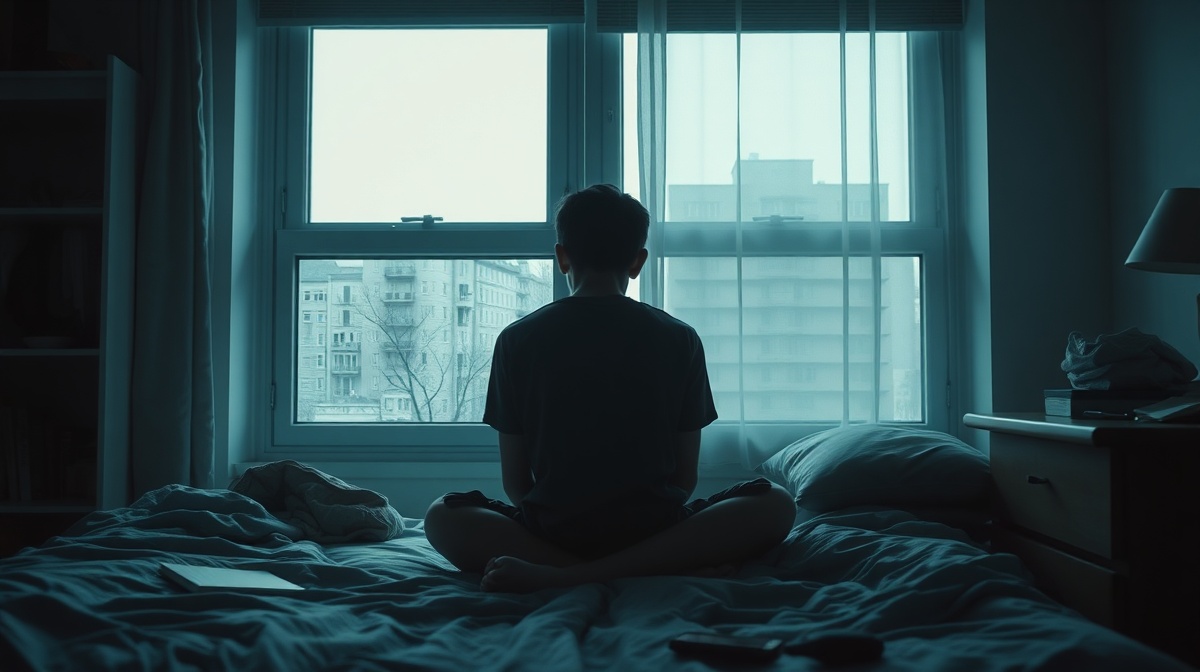
Last Tuesday, I watched my friend Sarah break down in my kitchen because she’d completely missed the signs that her 17-year-old daughter was struggling with severe anxiety. “She was right there at the dinner table every night,” Sarah told me through tears. “How did I not see it?”
Here’s what I’ve learned after years of working with families and watching my own kids navigate their teens: most parents miss the early warning signs of mental health struggles—not because they don’t care, but because they don’t know what normal teenage moodiness looks like versus something more serious.
I get it. Teens are naturally dramatic, moody, and unpredictable. Their brains are literally rewiring themselves. So when your 16-year-old slams their door for the third time this week or your 14-year-old suddenly hates everything they used to love, how do you know if it’s just typical teenage behavior or something that needs your attention?
The truth is, there are specific patterns you can watch for. Red flags that, when you see them clustered together, should make you pause and dig deeper. I’m going to walk you through 10 concrete warning signs that actually matter, plus what to do when you spot them. Because catching these early? It makes all the difference.
Why This Matters Right Now
The numbers are honestly staggering. According to recent studies, nearly 40% of teens experience persistent feelings of sadness or hopelessness. Anxiety disorders affect about 32% of adolescents. And since the pandemic? These rates have skyrocketed.
I’ve watched too many parents in my community realize too late that what they thought was “just a phase” was actually their child crying out for help. The good news—and I mean this—is that early intervention works incredibly well. Teen brains are still developing, which means they’re also incredibly resilient when they get the right support.
But first, you need to know what you’re looking for.
How Do I Know If My Teenager Is Struggling Mentally?
Here’s the framework I wish someone had given me years ago: look for clusters of changes, not just one isolated behavior.
One bad week doesn’t mean your teen is depressed. Sleeping in on Saturday doesn’t signal a mental health crisis. But when you see multiple warning signs happening together, lasting for two weeks or more, and interfering with their daily life—that’s when you need to pay attention.
Ask yourself these three questions:
- Has this behavior or mood change lasted more than two weeks?
- Is it affecting their ability to function at school, home, or with friends?
- Do they seem stuck in a negative pattern they can’t break out of?
When my nephew started skipping soccer practice—something he’d loved for years—that alone wasn’t alarming. But when it was combined with sleeping until 2 PM on weekends, snapping at his little sister constantly, and his grades dropping, the pattern became clear. He wasn’t just “being a teenager.” He was struggling.
The key is trusting your parental instincts while also knowing what specific behaviors to watch for.
The 10 Warning Signs Every Parent Should Recognize
1. Sudden Changes in Sleep Patterns
I’m talking about the extremes here. Your teen who used to wake up at 7 AM is now sleeping until 3 PM every weekend. Or the opposite—they’re lying awake until 4 AM despite being exhausted.
Sleep disruption is often the first domino to fall when teens are struggling mentally. Depression can make them want to escape into sleep, while anxiety keeps their minds racing at night.
What to do: Don’t just nag about their sleep schedule. Ask gentle questions like “What’s keeping you up?” or “You’ve been sleeping a lot lately—are you feeling okay?” Sometimes they don’t even realize the connection between their mental state and their sleep.
2. Withdrawal From Activities They Once Loved
This one hits me every time I see it. When a kid who’s played piano for eight years suddenly stops practicing, or the star athlete quits the team mid-season, that’s a massive red flag.
We’re not talking about normal teenage shifts in interests. This is anhedonia—the clinical term for losing the ability to feel pleasure from things that used to bring joy.
How to respond: Approach with curiosity, not accusation. “I noticed you haven’t been to drama club lately. What’s going on?” Give them space to explain without immediately trying to fix it.
3. Dramatic Changes in Eating Habits or Weight
Teens naturally go through growth spurts and changing appetites, but I’m talking about extreme shifts. Suddenly eating constantly, or barely touching food for weeks. Obsessing over calories or completely losing interest in eating.
The tricky part is that eating changes can be both a symptom of mental health struggles and a separate eating disorder. Either way, they’re worth addressing with care.
Parent tip: Keep conversations focused on health and feelings, not appearance. “I’ve noticed you seem stressed about food lately. Want to talk about what’s going on?”
4. Increased Irritability or Emotional Volatility
This goes way beyond typical teenage attitude. I’m talking about explosive reactions to minor things, or the opposite—complete emotional flatness where nothing seems to affect them at all.
My daughter once screamed at me for asking if she’d done her homework. Not eye-rolling or sighing—actual screaming. That level of reaction to a simple question was completely out of proportion and unlike her usual responses.
The key distinction: normal teen moodiness has triggers you can usually identify. This kind of volatility seems to come from nowhere and feels much more intense.
How to handle it: Stay calm, set your boundaries, but also ask directly if something deeper is bothering them.
5. Social Withdrawal or Isolation
When your naturally social teen stops making plans, declines invitations, or spends all their time alone in their room, pay attention. This isn’t about being introverted—it’s about actively avoiding connection.
A parent in my support group told me her son literally stopped responding to group chats mid-conversation. He wasn’t being bullied or having friend drama. He was depressed and felt like he had nothing to contribute.
Isolation amplifies mental health struggles because it cuts teens off from the social support they desperately need.
Action step: Gently encourage connection without being pushy. “I’ve noticed you haven’t hung out with Jake lately. Everything okay between you two?”
6. Declining Grades or Loss of Interest in School
Here’s what I’ve learned: sudden academic struggles are rarely about laziness. Depression and anxiety directly impact concentration, memory, and motivation.
Watch for missing assignments, complaints about not being able to focus, or a previously engaged student who suddenly doesn’t care about their grades at all.
Before you jump to consequences or punishment, ask about their mental state. “You’ve always cared about school. What’s making it hard to focus right now?”
7. Increased Screen Time or Online Escapism
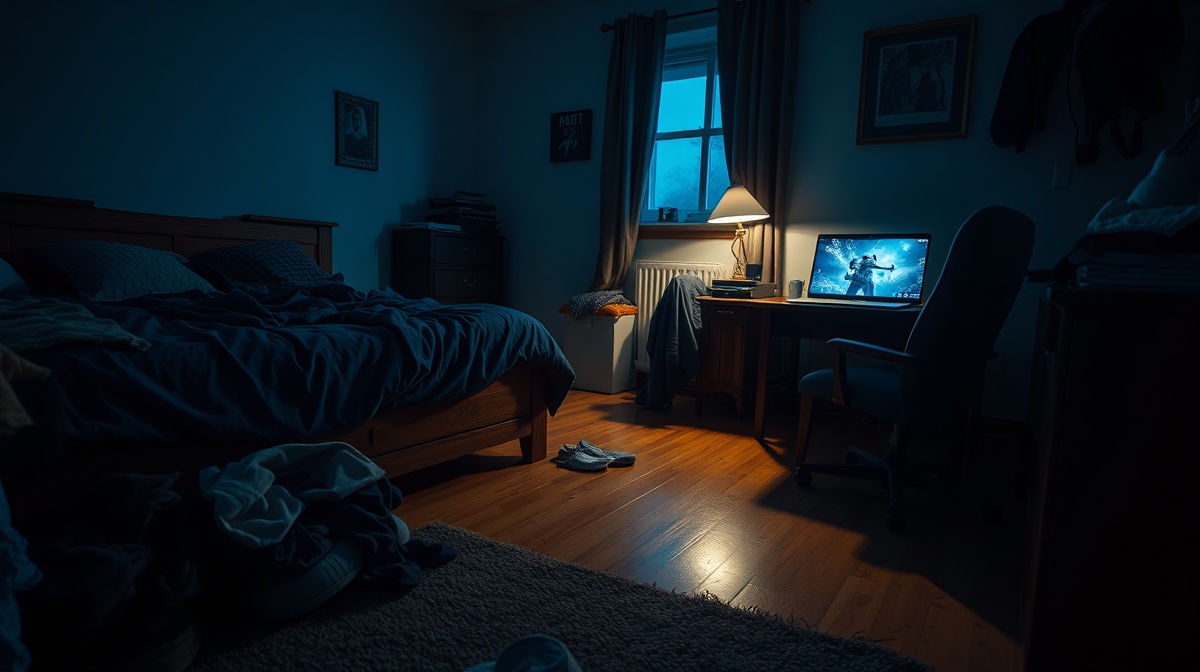
I’m not talking about normal teen screen use—I mean obsessive gaming, endless social media scrolling, or binge-watching as a way to avoid real life.
When my son started gaming until 2 AM on school nights, I initially thought it was just poor time management. But when I dug deeper, I realized he was using games to escape anxiety about upcoming tests and social situations.
The screens weren’t the problem—they were the symptom.
How to approach it: Address what they’re avoiding, not just the screen time. “I notice you’ve been gaming a lot more lately. Is something stressing you out?”
8. Talking About Death, Worthlessness, or Hopelessness
This is the big one, and I need you to hear me clearly: if your teen talks about not wanting to be here, take it seriously. Every single time.
This includes dark humor that seems obsessive, mentions of being a burden to the family, or statements about nothing getting better. Don’t dismiss it as “teenage drama.”
What to do: Ask directly. “When you say you don’t want to be here, what do you mean by that?” Don’t panic, but do take action. Call a mental health professional, your pediatrician, or a crisis hotline if you’re unsure.
Trust me—it’s better to overreact to something that turns out to be minor than to underreact to something serious.
9. Neglecting Hygiene or Personal Appearance
When teens stop showering regularly, wear the same clothes for days, or suddenly don’t care at all about their appearance, it’s often a sign that depression has killed their motivation for basic self-care.
I remember my nephew’s mom mentioning that he’d stopped brushing his teeth regularly. She thought it was typical teenage laziness until she realized it was part of a bigger pattern of not taking care of himself.
Gentle approach: “I noticed you haven’t been taking showers much lately. Are you feeling okay?” Don’t make it about how they look—make it about how they’re feeling.
10. Substance Use or Risk-Taking Behavior
This includes experimenting with alcohol, vaping, drugs, or engaging in reckless behavior like dangerous driving or unsafe sexual activity.
Here’s what I want you to understand: teens often turn to substances not to be rebellious, but to numb emotional pain they don’t know how to handle otherwise.
When you discover substance use, get curious before you get angry. “I’m concerned about what I found. Help me understand what’s going on with you right now.”
The goal is to address the underlying pain, not just punish the behavior.
What Are Signs of Depression in Teenagers?
Depression in teens looks different than it does in adults, and honestly, this trips up a lot of parents.
While adults with depression might appear sad or withdrawn, teen depression often shows up as irritability and anger. Your depressed teenager might seem more angry than sad, which is why parents often miss it entirely.
Here’s what teen depression actually looks like:
- Persistent irritable or sad mood (lasting at least two weeks)
- Loss of interest in activities they used to enjoy
- Significant changes in appetite or weight
- Sleep disturbances (too much or too little)
- Fatigue or loss of energy
- Feelings of worthlessness or excessive guilt
- Difficulty concentrating or making decisions
- Thoughts of death or suicide
The key difference from situational sadness—like being upset about a breakup or a bad grade—is duration and intensity. Clinical depression doesn’t go away when circumstances change. It colors everything in their world.
I’ve seen parents dismiss obvious depression symptoms because they were waiting for their teen to look “sad” like in movies. But the kid who’s snapping at everyone, sleeping 14 hours a day, and has stopped caring about anything they used to love? That’s what teen depression often looks like.
If you’re seeing multiple signs from this list, lasting more than two weeks, trust your instincts. You’re probably right to be concerned.
What to Do If You Spot These Warning Signs
Okay, so you’ve recognized some of these patterns in your teen. Now what?
First, don’t panic. You’re not a bad parent for missing signs earlier, and noticing them now means you can take action.
Step 1: Observe and document (without becoming obsessive about it). Keep a mental or written note of what you’re seeing and when. Patterns matter.
Step 2: Create a safe space for conversation. This isn’t an interrogation—it’s an invitation. Pick a time when you’re both calm and have privacy.
Step 3: Listen without judgment. When they do open up, resist the urge to immediately fix, minimize, or offer solutions. Just listen first.
Step 4: Normalize getting help. Frame therapy like this: “Just like we’d see a doctor for a broken leg, we can see someone who specializes in helping with thoughts and feelings.”
Step 5: Take action. Contact your pediatrician, a therapist who works with teens, or your school counselor. Don’t wait for it to get worse.
Here’s how to find help: start with your pediatrician for a referral, check with your insurance for covered therapists, or ask your school counselor for local resources. Many teens actually prefer talking to someone outside the family.
Remember: your job isn’t to diagnose or fix your teen’s mental health. Your job is to notice changes, provide support, and connect them with professional help when needed.
The Conversation You Need to Have
I know this conversation feels intimidating, but I’m going to give you a script that works.
Start with: “I’ve noticed [specific behavior] and I care about you. What’s going on?”
For example: “I’ve noticed you haven’t been hanging out with your friends much lately and you seem really tired. I care about you and I’m wondering what’s going on.”
What NOT to say:
- “You seem depressed” (don’t diagnose)
- “Other kids have it worse” (don’t minimize)
- “This is just a phase” (don’t dismiss)
- “Just think positive thoughts” (don’t oversimplify)
What TO say:
- “I’m here for you”
- “We can figure this out together”
- “It’s okay to not be okay”
- “Getting help is a sign of strength, not weakness”
If they shut down or say “I’m fine,” don’t give up. Try: “I love you and I’m worried. You don’t have to talk to me, but I’d like you to talk to someone.”
The goal isn’t to force them to open up immediately—it’s to plant the seed that you’ve noticed, you care, and help is available when they’re ready.
Moving Forward With Hope
Look, I’m not going to sugarcoat this—watching your teenager struggle with mental health is terrifying. But here’s what I want you to remember: teens are incredibly resilient, and with the right support, they can not only recover but thrive.
I’ve seen kids who were in dark places find their way back to joy. I’ve watched families grow stronger through these challenges. And I’ve learned that parents who trust their instincts and take action early give their teens the best possible chance at getting better.
You don’t have to be perfect. You just have to be present, observant, and willing to seek help when you need it. Your teenager is lucky to have a parent who cares enough to educate themselves about these warning signs.
Trust yourself. You know your kid better than anyone. If something feels off, it probably is—and that’s not something to fear, it’s information you can act on.
The earlier you intervene, the better the outcome. Your awareness and action today could literally change the trajectory of your teen’s life. That’s not pressure—that’s hope.