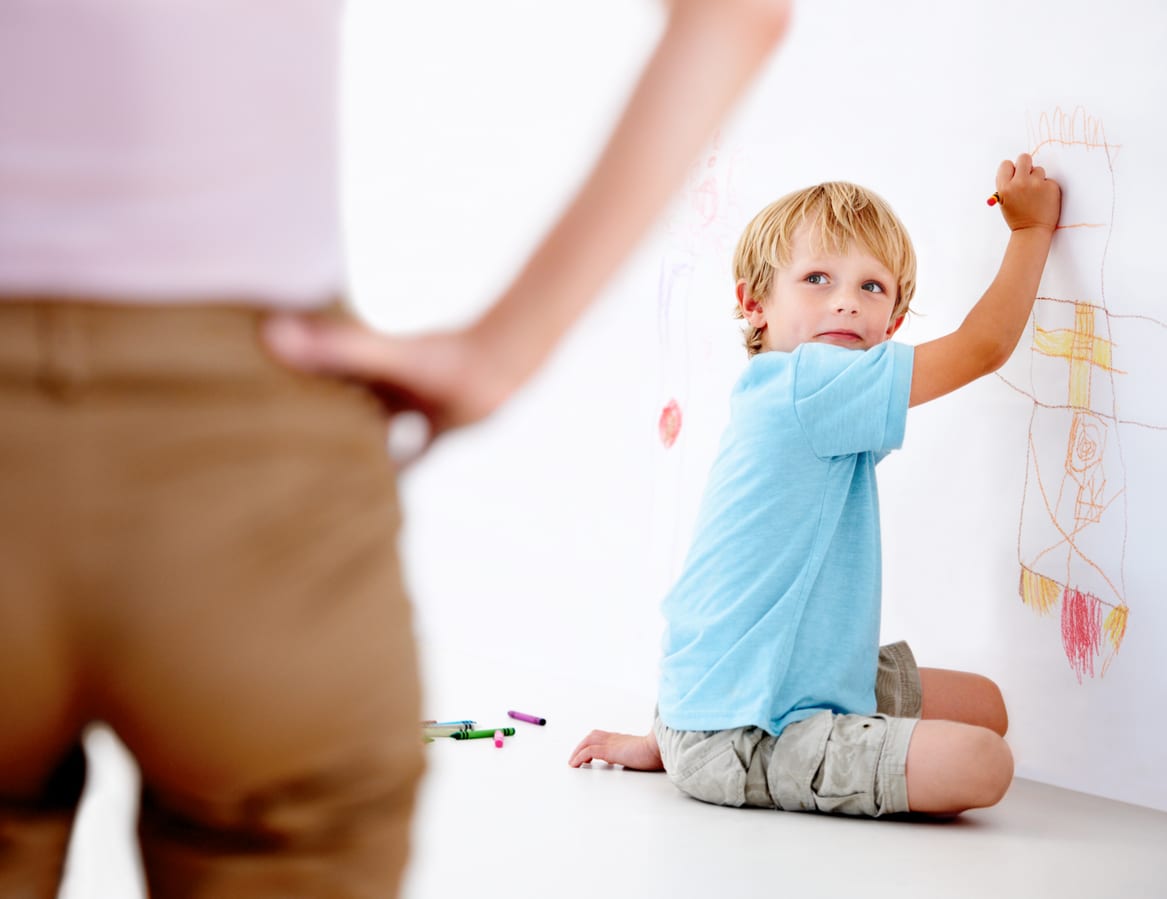
Every parent wonders at some point if their child’s behavior is normal or if it signals a deeper issue. It is a question that often arises in the quiet moments after a difficult day, leaving us searching for answers.
Parenting is the hardest job on the planet, and it doesn’t come with a manual. You are constantly recalibrating your expectations as your child grows. What was cute at age two might be concerning at age seven.
We all want our children to be happy, well-adjusted, and capable of navigating the world. When behavior starts to veer off track, it is natural to feel a spike of anxiety. You might worry that you are doing something wrong.
Let me stop you right there. Behavior is communication, not a report card on your parenting.
Children are still developing the language and emotional intelligence required to tell us what is wrong. So, they act out. They throw things, they withdraw, or they refuse to listen.
Distinguishing between a passing phase and a behavioral issue that needs attention is tricky. It requires observation, patience, and a bit of knowledge.
Lets explore eight early signs of behavior issues in kids. We will look at what is developmentally appropriate and what might be a red flag.
1. Tantrums That Exceed Intensity and Duration Norms
We have all witnessed the classic grocery store meltdown. A toddler screams because they can’t have the candy bar. That is a rite of passage.
However, when does a tantrum cross the line into something more concerning?
You need to look at the frequency, intensity, and duration. Most tantrums are relatively short-lived. They usually end when the child is distracted or when they exhaust themselves.
If your child is having meltdowns that last longer than 20 to 30 minutes, pay attention.
These aren’t just crying spells. We are talking about blind rages where the child seems unable to calm down, even with support. They might hyperventilate or become physically exhausted to the point of illness.
The Age Factor
Toddlers (1-3 years): Tantrums are expected here. Their brains are still under construction. However, if they are happening five to ten times a day and the child cannot be soothed, it’s worth noting.
Preschoolers (4-5 years): At this age, children should be developing some self-regulation. If they are still having toddler-level meltdowns daily, it suggests a lag in emotional development.
School-Age (6-12 years): Tantrums should be rare. If an 8-year-old is throwing themselves on the floor screaming, this is a significant regression or a sign they lack coping mechanisms.
What To Look For
Are the tantrums violent? Does the child seem to “check out” during the episode? Do they remember what happened afterward?
Sometimes, these intense outbursts are linked to sensory processing issues. The world might feel too loud, too bright, or too chaotic for them. Other times, it can be a sign of anxiety or a mood disorder.
Don’t panic. Just start keeping a log. Note what happened right before the meltdown and how long it lasted. This data is invaluable if you decide to speak to a professional.
2. Aggressive Behavior Toward Others or Self
Aggression is a scary word for parents. It triggers an immediate defense mechanism in us.
It is shocking the first time your sweet baby hits you. But in the early years, a certain amount of physical experimentation is normal. A toddler might hit to see what happens.
However, aggression becomes a behavioral issue when it is persistent and malicious.
This includes hitting, biting, kicking, or throwing objects with the intent to harm. It also includes verbal aggression, such as making threats.
When To Worry
If your child is consistently the aggressor on the playground, you need to intervene.
If they are being sent home from school or daycare regularly for hurting other children, this is a clear sign. It indicates they are struggling to process frustration or anger.
Even more concerning is aggression toward themselves. Head-banging, scratching their own skin, or pulling out hair are signs of significant distress. These behaviors are coping mechanisms for overwhelming emotions.
Understanding the Trigger
Aggression is often a secondary emotion. It is the shield that protects the child from feeling vulnerable, scared, or embarrassed.
For a child with undiagnosed ADHD, aggression might stem from impulsivity. They act before they think.
For a child with learning disabilities, aggression might be a way to distract from the fact that they can’t do the work in class. They would rather be the “bad kid” than the “dumb kid.”
When addressing aggression, focus on safety first. Stop the behavior immediately and calmly. Later, when the dust settles, try to uncover the feeling underneath the hit.
3. Chronic Non-Compliance and Defiance
We all want to raise independent thinkers. But there is a fine line between a strong-willed child and Oppositional Defiant Disorder (ODD).
Every child says “no.” It is their way of asserting autonomy.
However, chronic non-compliance is different. It is a pattern of angry, irritable moods and argumentative behavior toward authority figures.
It feels like a constant battle.
The Difference Between Stubbornness and Defiance
A stubborn child might refuse to put on their coat because they want to do it themselves. They might argue because they want to wear the blue coat, not the red one.
A child with behavioral defiance refuses to put on the coat simply because you asked them to. They might argue about everything, from what to eat to when to sleep.
They seem to thrive on the conflict itself.
Signs to Watch For
Does your child often lose their temper? Do they actively annoy others? Do they blame others for their mistakes?
If this behavior persists for more than six months and is disrupting family life, it is a red flag.
It creates a hostile environment at home. You might feel like you are walking on eggshells, afraid to ask your child to do anything for fear of an explosion.
This dynamic is exhausting. It drains your empathy reserves.
Practical Tip: Pick your battles. If you argue about everything, the child learns that life is an argument. Focus on the non-negotiables like safety and kindness. Let the small stuff slide for now.
4. Difficulty with Transitions and Rigid Behavior
Routine is comforting. We all like knowing what comes next.
But for some children, a change in routine triggers a catastrophic reaction. This is more than just being disappointed that the park trip is cancelled.
This is an inability to shift gears mentally.
The “Rigid” Child
Does your child insist on things being done in a very specific order? Must the blue cup be used for milk, and if it’s the green cup, the world ends?
This rigidity can be a sign of anxiety. The child feels like the world is chaotic, and controlling these small details gives them a sense of safety.
It can also be a marker for autism spectrum disorders, though it is just one of many potential signs.
Navigating Transitions
Transitions are hard because they require the brain to stop one task and start another. This involves executive function skills.
If your child falls apart every time you have to leave the house, go to school, or switch from playtime to dinner, they are struggling with this skill.
How to Help:
Use visual timers. Give warnings: “Five minutes left,” “Two minutes left.”
Create visual schedules so they can see what is coming next.
Acknowledge the difficulty. “I know it is hard to stop playing Legos. They are so fun. But now it is time for dinner.”
When you validate their frustration, you lower the resistance. You are on their team, helping them through the hard part.
5. Significant Social Withdrawal or Isolation
We often focus on the loud behaviors. The screaming, the hitting, the defiance.
But sometimes, the quiet behaviors are just as telling.
Social withdrawal is a significant indicator of internal struggles. It is different from being introverted.
An introverted child enjoys their alone time but still has connections with family and a few close friends. They recharge in solitude.
A withdrawn child isolates themselves because they are anxious, depressed, or overwhelmed.
What Does Withdrawal Look Like?
Toddlers: Lack of eye contact. Not interested in playing peek-a-boo or engaging with parents. They might play in a corner alone for hours without seeking interaction.
School-Age: Refusing to go to birthday parties. sitting alone at recess. A sudden drop in interest in hobbies they used to love.
Pre-Teens: Spending all their time in their room. hostility when you try to engage them. dropping their friend group entirely.
The Social Component
Watch how your child interacts with peers. Do they seem to miss social cues? Do they struggle to take turns or share?
If a child constantly misinterprets the actions of others—thinking someone bumped them on purpose when it was an accident—they will retreat to protect themselves.
Loneliness in childhood can lead to deeper mental health issues later.
If you notice your child pulling away, try to engage them in low-pressure activities. Go for a walk. Bake cookies. Do something side-by-side where eye contact isn’t required.
Conversation flows more easily when you aren’t staring at each other.
6. Impulsivity and Excessive Risk-Taking
All kids do dumb things. They jump off swings. They try to eat things they shouldn’t.
But there is a safety mechanism in most children’s brains that says, “Wait, that looks dangerous.”
For children with behavioral issues related to impulsivity, that brake pedal is missing.
They act on every thought immediately.
Beyond High Energy
This is often associated with ADHD. The child isn’t trying to be naughty; their brain is just moving faster than their impulse control can keep up.
They might run into the street without looking. They might climb to dangerous heights. They might blurt out hurtful things without meaning to.
This behavior is terrifying for parents. You feel like you have to be a bodyguard 24/7.
The Social Cost
Impulsivity hurts relationships. Other kids might get annoyed because your child interrupts constantly or plays too rough.
Your child might feel bad afterwards. They might say, “I didn’t mean to!” And they are telling the truth.
They honestly couldn’t stop themselves.
Parenting the Impulsive Child:
You have to be their external brake pedal until they develop their own.
Focus on “stop and think” games. Role-play scenarios.
Praise them heavily when they do manage to wait or show patience. “I saw you waiting for your turn on the slide. That was awesome!”
Positive reinforcement builds the neural pathways they need to develop self-control.
7. Regression in Developmental Milestones
Development isn’t always a straight line. Sometimes kids take two steps forward and one step back.
However, significant regression is a major distress signal.
This happens when a child loses a skill they had previously mastered.
Common Forms of Regression
Potty Training: A fully potty-trained 5-year-old starting to have accidents during the day or wetting the bed at night.
Speech: A child who was speaking in sentences reverting to baby talk or whining.
Sleep: A child who slept through the night suddenly waking up multiple times or refusing to sleep alone.
Independence: A 7-year-old wanting to be fed or dressed like a baby.
The Root Cause
Regression is almost always a reaction to stress or trauma.
It is the psyche’s way of saying, “Being big is too hard right now. I want to be small and taken care of.”
Major life changes often trigger this. A new baby, a move, a divorce, or a death in the family.
But if there is no obvious trigger, you need to dig deeper. Could there be bullying at school? Is there a medical issue?
Don’t shame the regression. Don’t say, “You’re acting like a baby.”
Instead, offer extra comfort. “It seems like you need some extra cuddles today.”
Usually, when the child feels secure again, the skills return. If they don’t return after a few weeks, it is time to consult your pediatrician.
8. Sleep and Eating Disturbances
Our bodies react to stress before our minds do.
If your child’s behavior seems off, look at their biological rhythms. Sleep and appetite are the first things to get disrupted by anxiety or behavioral disorders.
Sleep Issues
We aren’t just talking about stalling at bedtime.
Look for difficulty falling asleep that lasts for hours. Look for frequent nightmares or night terrors.
Look for early morning waking where the child seems anxious immediately.
Sleep deprivation makes every other behavior issue worse. It creates a vicious cycle. The child behaves badly because they are tired, and they can’t sleep because they are stressed about their behavior.
Eating Habits
Changes in appetite are also telling.
Some children overeat to soothe themselves. Others lose their appetite completely when they are anxious.
You might notice hoarding food (hiding it in their room) or extreme pickiness that develops suddenly.
Sudden pickiness can be a control mechanism. If a child feels out of control in other areas of their life, they will control what goes into their mouth.
The Physical Connection
Always rule out medical issues first. A child acting out might have a toothache, allergies, or digestive issues they can’t articulate.
Once physical health is cleared, treat sleep and food issues as symptoms of an emotional struggle.
Create a calming bedtime routine. Make mealtime a pressure-free zone.
Focus on connection rather than correction during these vulnerable times.
How to Differentiate “Phases” from “Issues”
So, you have read the list. You might be thinking, “My child does three of these things!”
Take a deep breath. Context is everything.
To determine if you need professional help, apply the “Four D’s”:
1. Duration: Has this been going on for more than six months?
2. Disproportion: Is the reaction way bigger than the trigger?
3. Disruption: Does it disrupt your family’s daily life or the child’s schooling?
4. Distress: Is the child unhappy? Are you unhappy?
If you answered yes to these, it is time to seek support.
The Danger of “Wait and See”
There is a lot of advice out there that says, “They will grow out of it.”
While this is true for minor phases, waiting too long on significant issues can be detrimental.
Early intervention is magical. The brain is plastic. It can be rewired.
Learning coping skills at age five is infinitely easier than trying to undo patterns at age fifteen.
Seeking help doesn’t mean something is “wrong” with your child. It means you are building a support team to help them thrive.
Actionable Steps You Can Take Today
If you are seeing these signs, you don’t have to wait for a doctor’s appointment to start making changes. Here are things you can do right now to lower the temperature in your home.
1. Focus on Connection Before Correction
You cannot discipline a child you are not connected to.
Spend 10 to 15 minutes a day doing exactly what your child wants to do. No phones. No instructions. Just play.
This fills their emotional cup. A child with a full cup is more cooperative.
2. Narrate Their Emotions
Give them the words they don’t have.
“You are clenching your fists. You look really mad that the TV is off.”
“You are hiding under the blanket. You look scared.”
This is called “Name it to Tame it.” When a child feels understood, the need to act out diminishes.
3. Create a “Calm Down” Corner
This is not a time-out chair. It is a safe space.
Fill it with soft pillows, books, fidget toys, or a stress ball.
Encourage them to go there when they feel the “volcano” rising. You can go there too! Model it. “Mommy is feeling frustrated. I’m going to the calm corner for a minute.”
4. Catch Them Being Good
We are programmed to notice the bad stuff. We yell when they hit.
But do we cheer when they share?
Flip the script. “I love how you asked your sister for the toy instead of grabbing it.”
Positive reinforcement is powerful. Whatever behavior you pay attention to, you get more of.
5. Check Your Own Reactivity
Children are mirrors. If we react to their chaos with chaos, we escalate the situation.
This is the hardest part of parenting. Staying calm when they are losing it.
If you feel your own anger rising, step away. It is better to walk away for a minute than to scream.
You are modeling self-regulation. You are showing them how to handle big feelings.
When to Call in the Pros
If you have tried these strategies and things aren’t getting better, reach out.
Start with your pediatrician. They can rule out medical causes and refer you to specialists.
Child psychologists, play therapists, and occupational therapists are wonderful resources.
For school-age children, talk to their teachers. Are they seeing the same behaviors at school? This information is crucial.
A Note on Diagnosis
Getting a diagnosis—whether it is ADHD, ODD, Anxiety, or Autism—can feel heavy.
But a diagnosis is just a map. It tells you how your child’s brain works. It gives you the tools to navigate the terrain.
It doesn’t change who your child is. They are still the same funny, sweet, challenging kid they were yesterday.
Now you just have the user manual.
You Are the Expert on Your Child
Trust your gut.
You know your child better than anyone. You know the sparkle in their eye. You know their potential.
If something feels off, investigate it.
Behavior issues are not a sign of failure. They are a sign of struggle.
Your child is struggling to manage their world, and they are asking for help in the only way they know how.
By recognizing these early signs—the intense tantrums, the withdrawal, the rigidity—you are taking the first step toward helping them.
It is a long road. There will be good days and bad days.
But you are not alone in this.
Every parent has faced the grocery store meltdown. Every parent has worried about their child’s future.
Be kind to yourself. You are doing the best you can with the tools you have. And now, you have a few more tools in your kit.
Keep observing. Keep connecting. Keep loving them through the hard moments.
That is what makes you a great parent.