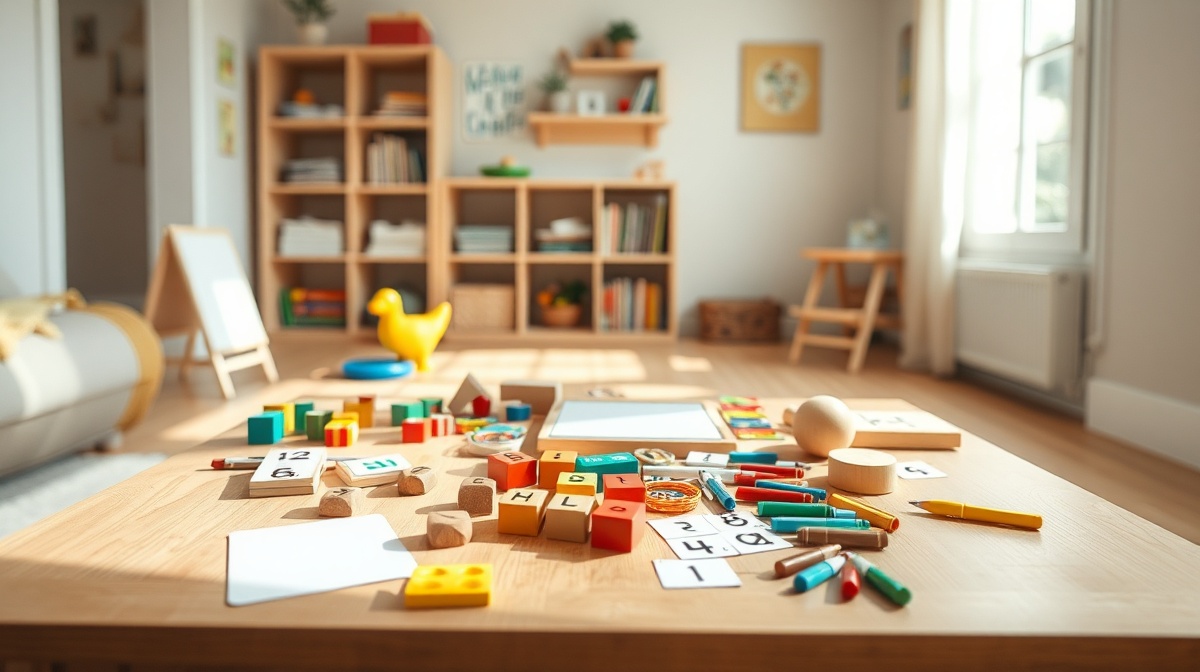
I’ll never forget the morning my 4-year-old daughter asked me, “Mommy, what if I’m not smart enough for kindergarten?” My heart sank. Here I was, researching homeschool activities for 4 year olds at 2 AM, worried I wasn’t doing enough to prepare her for school.
Sound familiar? That “preschool panic” is real, and you’re definitely not alone.
Here’s what I’ve learned after three kids and countless conversations with other parents: most of us overthink school readiness. Your 4-year-old doesn’t need to master worksheets or sit through formal lessons. What actually works? Structured play and intentional activities that feel like fun but secretly build crucial skills.
I’ve spent the last two years testing activities with my own kids and collecting favorites from other homeschool families. These 35 activities are battle-tested, require minimal prep, and fit into real family life—no Pinterest-perfect setups required.
We’ll cover everything your preschooler needs: fine motor skills for writing, social-emotional learning for classroom behavior, pre-literacy foundations, and early math concepts. The best part? Your kid will think they’re just playing.
How Do I Prepare My 4 Year Old for School at Home?
Let me clear something up first: there’s a difference between “homeschooling” and “preschool prep at home.” This article focuses on the latter—giving your child school readiness skills while they’re still in their preschool years.
I’ve found that at-home school readiness rests on three pillars:
Independence skills are huge. Can your child follow two-step instructions? Handle transitions without meltdowns? Manage basic self-care like using the bathroom independently? These matter more than knowing all their letters.
Learning readiness is about attention span, curiosity, and willingness to try new things. A child who can sit for a 10-minute activity and ask questions is more school-ready than one who knows the alphabet but can’t focus.
Social-emotional foundation includes listening when others speak, sharing materials, and managing frustration when something’s difficult. Trust me—teachers care more about these skills than whether your kid can read yet.
Here’s the real talk: you don’t need fancy curriculum or expensive programs. Consistency and intentionality matter way more than perfection. I aim for 3-4 structured activities per week with my preschooler, and that’s plenty.
The secret? Kids learn readiness through play, not worksheets. The activities that look like pure fun are often building the most important skills.
What Skills Should a 4 Year Old Learn?
Every parent asks this question, and honestly? It depends on your child. But I can give you a solid framework based on what actually helps kids succeed in school.
Fine motor skills are critical for writing readiness. We’re talking about pencil grip, scissor control, and hand-eye coordination. If your child can use scissors safely, hold a marker with their fingers (not their fist), and manipulate small objects, they’re on the right track.
Gross motor skills support everything else. Kids who can balance, coordinate their movements, and have spatial awareness sit better in class and focus longer. This isn’t about being athletic—it’s about body control.
Pre-academic skills include letter recognition (not memorization), number sense up to 10, and phonemic awareness (hearing sounds in words). Notice I didn’t say reading or adding. Exposure and interest matter more than mastery at this age.
Self-regulation is the big one teachers wish more kids had. Can your child sit still for 10-15 minutes? Listen to instructions? Wait their turn? These skills make or break the kindergarten experience.
Social skills round out the foundation. Sharing, showing empathy, and communicating needs appropriately help kids navigate friendships and group activities.
Here’s my honest take: every kid develops at their own pace, and this is a guide, not a checklist. I’ve seen kids who couldn’t write their name in August become confident writers by December. Four-year-olds are still very much in play-based learning territory, and that’s exactly where they should be.
The 35 Activities: Organized by Skill & Difficulty
Fine Motor Skills (Activities 1-8)
Fine motor skills are the foundation for writing, and I can’t stress this enough—strengthening those little hand muscles now saves so much frustration later.
Activity 1: Playdough Pinching & Rolling
This is my go-to activity because it works and kids love it. Playdough strengthens the exact hand muscles needed for proper pencil grip. Have your child pinch pieces, roll snakes, and make shapes. I keep everything contained on a baking sheet to minimize cleanup—learned that the hard way.
Activity 2: Threading & Beading
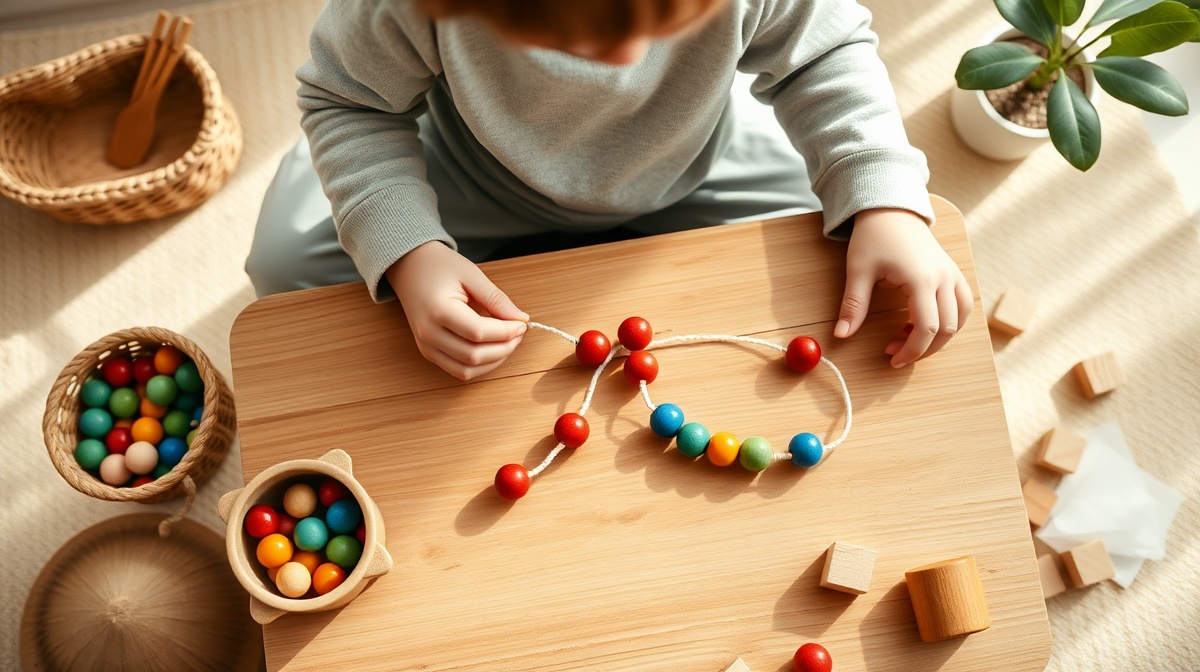
Large beads and yarn (or pipe cleaners) develop hand-eye coordination and precision. Start with chunky beads and work toward smaller ones. This activity is perfect for car rides or quiet time when you need 15 minutes of peace.
Activity 3: Scissor Practice with Playdough Snakes
Before kids cut paper, let them practice on playdough “snakes.” Roll the dough into long strips and give them safety scissors. This builds scissor control without the pressure of cutting on lines. Always supervise and model proper grip—thumb on top, fingers underneath.
Activity 4: Stamping & Sticker Activities
Stamps and stickers develop the pinch grip and hand control. Give them stamps, ink pads, stickers, and paper, then let creativity take over. I let my kids decorate their own thank-you cards or make sticker scenes.
Activity 5: Tracing & Drawing with Thick Markers
Use thick markers and provide simple outlines or dots to connect. This is pre-writing practice that builds pencil control. Focus on the process, not perfection—crooked lines are totally normal and expected.
Activity 6: Water Painting on Sidewalks
This is genius for low-pressure drawing practice. Give kids water and large brushes, then let them “paint” on concrete or fences. There’s no mess anxiety, they can repeat endlessly, and it’s pure fun.
Activity 7: Clothespin Sorting Game
Have kids clip clothespins onto cups or containers while sorting by color. This strengthens thumb and finger muscles while sneaking in color recognition. I use different colored clothespins and matching containers.
Activity 8: Pom-Pom Pickup with Tongs
Kitchen tongs and pom-poms make a surprisingly engaging activity. Kids use the tongs to pick up and sort pom-poms by color or size. Fair warning—this gets messy, but it’s worth it for the hand strength building.
Gross Motor & Body Awareness (Activities 9-15)
Kids who can manage their bodies sit better in classrooms and focus longer on learning tasks. These activities build that foundation.
Activity 9: Indoor Obstacle Course
Use pillows, chairs, and tape lines to create simple paths to navigate. This develops balance, coordination, and body awareness. Change the course regularly to keep it interesting. My kids love crawling under chairs and jumping over pillow “rivers.”
Activity 10: Dance & Movement Games
Play music and have kids dance, then add “freeze” commands when you pause the music. This builds coordination and listening skills while providing emotional regulation practice. It’s also my secret weapon for burning energy on rainy days.
Activity 11: Balance Beam Walking
A line of tape on the floor works just as well as actual equipment. This develops balance and concentration. Start wide and gradually make the “beam” narrower as skills improve. Always supervise and offer a hand when needed.
Activity 12: Jumping & Hopping Challenges
Create simple challenges like “jump like a bunny” or “hop on one foot five times.” This builds leg strength and coordination. Do this outside if possible—your downstairs neighbors will thank you.
Activity 13: Throwing & Catching Practice
Start with soft balls or beanbags and practice underhand throws first. This develops hand-eye coordination and motor planning. Be patient—catching is hard for 4-year-olds, so celebrate every success.
Activity 14: Climbing & Exploration
Use playground equipment, safe climbing structures, or even sturdy furniture. This builds confidence and spatial awareness. Some kids are natural climbers; others need encouragement. Follow their lead.
Activity 15: Yoga & Stretching for Kids
Simple poses like downward dog and tree pose teach body awareness and calming strategies. Kid-friendly yoga videos work great, or just make up animal poses. This doubles as self-regulation practice.
Pre-Literacy & Language Skills (Activities 16-24)
Phonemic awareness and letter exposure are key at this age, but don’t stress about reading yet. We’re building foundations.
Activity 16: Alphabet Scavenger Hunt
Hide letter cards around the house and have kids find and name them. Make it themed—only consonants, only letters in their name, or letters that make specific sounds. This builds letter recognition in an active, fun way.
Activity 17: Magnetic Letter Play
Use magnetic letters on a cookie sheet and let kids arrange and name them freely. There’s no pressure to spell words—exposure is the goal. I keep a set in our car for restaurant waiting time.
Activity 18: Rhyming Games & Songs
Sing rhyming songs and play games like “Does cat rhyme with bat?” This builds phonemic awareness, which is crucial for reading development. Nursery rhymes and picture books work perfectly for this.
Activity 19: Sound Walks & Listening Exercises
Take walks and listen for sounds, then make a list of what you heard. This develops auditory discrimination and builds the listening skills needed for classroom instruction.
Activity 20: Letter Writing in Sand or Shaving Cream
Multi-sensory letter learning works better than paper and pencil at this age. Provide sand trays or shaving cream and let kids trace letters. Yes, it’s messy, but the engagement is worth it.
Activity 21: Name Recognition Games
Start sight word skills with their own name. Write it on cards and play matching games. Use their name in stories and activities—kids are naturally motivated to learn about themselves.
Activity 22: Story Retelling with Props
After reading a book, let kids retell it using toys, puppets, or drawings. This builds comprehension and sequencing skills while encouraging creativity.
Activity 23: Environmental Print Exploration
Point out letters and words during daily activities—stop signs, store names, cereal boxes. This shows kids that reading is everywhere and has real purpose.
Activity 24: Phonics Treasure Hunt
Hide objects that start with specific sounds around the house. “Find something that starts with /b/.” This connects letter sounds to real objects.
Early Math & Logic Skills (Activities 25-31)
Math readiness is about number sense and logical thinking, not memorizing facts.
Activity 25: Counting Everything
Count steps, crackers, toys—whatever you encounter. This builds number sense naturally. Ask “How many do we have?” constantly.
Activity 26: Shape Scavenger Hunt
Find shapes around the house—circle clocks, rectangle windows, triangle sandwiches. This connects geometry to real life.
Activity 27: Pattern Games with Household Items
Use blocks, cereal, or toys to create simple patterns. Red-blue-red-blue or big-small-big-small. Let kids continue the pattern or create their own.
Activity 28: Sorting & Classifying Activities
Sort anything—buttons by color, toys by size, socks by pattern. This builds logical thinking and categorization skills.
Activity 29: Simple Measuring Experiments
Use cups, spoons, and containers to explore “more,” “less,” and “equal.” Cooking activities work great for this.
Activity 30: Number Recognition Games
Use number cards, magnetic numbers, or write numbers in sand. Focus on 1-10 and connect numbers to quantities.
Activity 31: Basic Addition with Objects
Use toys or snacks to show “2 crackers plus 1 more cracker equals 3 crackers.” Keep it concrete and visual.
Social-Emotional & Independence Skills (Activities 32-35)
These are the skills that make kindergarten successful, and they’re often overlooked.
Activity 32: Turn-Taking Board Games
Simple games like Candy Land teach patience, rule-following, and handling disappointment when you don’t win. Start with cooperative games if competition is too much.
Activity 33: Emotion Identification Activities
Use emotion cards, mirrors, or books to identify and discuss feelings. “I see you’re frustrated. What can we do about that?” This builds emotional vocabulary.
Activity 34: Independence Practice Routines
Create simple routines kids can do alone—getting dressed, packing their backpack, or preparing snack. Use picture schedules if needed.
Activity 35: Problem-Solving Challenges
Present simple problems: “The crayon box is too high. What could you do?” Encourage multiple solutions and celebrate creative thinking.
Making It Work in Real Life
Look, I get it. Thirty-five activities sounds overwhelming when you’re just trying to get through the day. Here’s my realistic approach: pick 2-3 activities that sound doable and rotate them weekly. You don’t need to do everything.
I’ve found that consistency beats intensity every time. A 15-minute activity three times a week builds more skills than an hour-long session once a month. And honestly? Some days, counting goldfish crackers during snack time counts as math practice.
The goal isn’t to create a mini classroom in your home. It’s to be intentional about the play and learning opportunities you’re already providing. Your 4-year-old is lucky to have a parent who cares this much about their development.
Start with activities that match your child’s interests and your family’s rhythm. If something doesn’t work, try something else. There’s no perfect formula—just consistency, patience, and lots of encouragement along the way.