Introduction: The Budget Parent's Breakthrough Moment
Last month, my neighbor spent $250 taking her family to a theme park for one afternoon. Meanwhile, my kids were having the time of their lives building a blanket fort in our living room with supplies that cost me absolutely nothing.
That's when it hit me: family fun doesn't require expensive outings or entertainment subscriptions. You can create those magical childhood memories for under $10 per activity – and often for free.
I get it. When you're juggling a tight budget, the guilt can be overwhelming. You see other families posting photos from fancy attractions and wonder if you're somehow failing your kids by staying home. But here's what I've discovered after testing dozens of activities with my own family: kids don't care about the price tag. They care about having your full attention and doing something exciting together.
This isn't another Pinterest-perfect list of activities that look great in photos but fall flat in real life. These are 30 tried-and-tested ideas that actually work – ones that'll keep your kids engaged without breaking the bank. I've included both indoor and outdoor options because let's face it, we need backup plans for every weather scenario and mood.
What Are Fun Family Activities on a Budget? (And Why This Matters)
Budget activities aren't just "cheap" alternatives to the "real thing" – they're intentional choices that prioritize creativity and quality time over spending. When I say budget-friendly, I'm talking about activities that cost less than $10 total (not per person) and often use supplies you already have at home.
Here's something I've learned from years of trying to stretch our family budget: limiting our spending actually increased our fun. When you can't rely on expensive entertainment to do the work for you, you get creative. You engage more. You become the entertainment.
Research backs this up too. Kids remember experiences and emotions, not how much money was spent. My daughter still talks about the time we made volcanoes in the kitchen two years ago, but she can barely remember that expensive children's museum we visited last spring.
The $10 threshold I'm using includes everything – supplies, admission fees, snacks, or materials. Many of these activities can be repeated throughout the year with different twists, making them even more cost-effective. A $5 investment in craft supplies can fuel dozens of creative afternoons.
Why I Started Looking for Cheap Family Activities (A Real Story)
Three years ago, I had one of those panic-inducing moments when I calculated how much we'd spent on "family fun" in a single month. Between movies, mini golf, and a couple restaurant trips, we'd blown through $400 without even realizing it.
The wake-up call came when my youngest asked if we could "do something fun" and I immediately started mentally calculating costs instead of thinking about possibilities. That's not the parent I wanted to be.
I'll admit, I was skeptical at first. Would my kids actually enjoy activities that didn't involve spending money or going somewhere special? The answer surprised me. Not only did they enjoy them – they often preferred them. There's something about having mom or dad's undivided attention that beats any paid entertainment.
The real breakthrough happened when I stopped thinking of these as "budget alternatives" and started seeing them as intentional choices. We weren't settling for less; we were choosing better.
The Best Indoor Activities for Rainy Days (15 Ideas Under $10)
1. DIY Science Experiments Kitchen Lab
Transform your kitchen into a mad scientist's laboratory with experiments that'll blow your kids' minds. The classic baking soda and vinegar volcano never gets old, but I've found that slime-making sessions are where the real magic happens.
For about $5, you can buy enough supplies to make slime dozens of times. Mix glue, contact lens solution, and shaving cream for fluffy slime, or add food coloring for rainbow variations. My kids have spent entire afternoons perfecting their recipes.
Other favorites include floating and sinking experiments (use whatever's in your kitchen), growing crystals with salt water, and making "lava lamps" with oil and water. The best part? Kids learn scientific principles while thinking they're just playing.
2. Living Room Camping and Blanket Fort Building
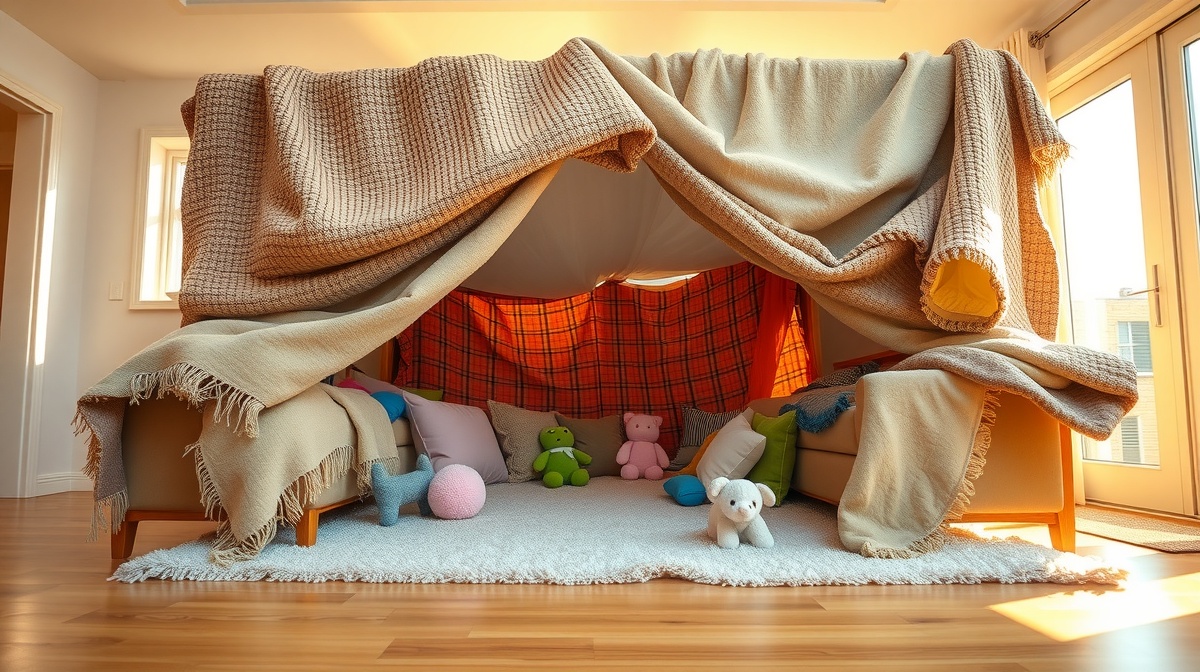
This one's practically free and guaranteed to entertain for hours. Use couch cushions, blankets, and chairs to create elaborate fort systems. I've watched my kids turn our living room into everything from castles to space stations.
Add battery-powered lanterns or flashlights for ambiance, pack some snacks, and you've got an indoor camping experience that rivals the real thing. The only cost might be new batteries if your flashlights are dead.
Pro tip: Let the kids be the architects. They'll feel more invested in their creation and play longer when it's truly theirs.
3. Indoor Scavenger Hunt with a Twist
Forget generic scavenger hunts. Create themed ones that tell a story or teach something new. I once made a "detective hunt" where my kids had to solve clues to find a "stolen" stuffed animal. They were completely absorbed for two hours.
Tailor the difficulty to your kids' ages. For younger ones, use pictures or simple riddles. Older kids can handle multi-step clues or math problems. The only cost is printing, and you can reuse ideas with different hiding spots.
4. Movie Marathon with Homemade Popcorn
Skip the expensive movie theater and create your own cinema experience. Popping corn on the stovetop costs pennies compared to pre-packaged bags, and it tastes infinitely better.
Experiment with seasonings: cinnamon sugar, parmesan cheese, or even nutritional yeast for a cheesy flavor. Set up a cozy viewing area with blankets and pillows, dim the lights, and you've got a movie experience that costs under $3 total.

5. Cooking or Baking Project Together
There's something magical about creating food together. Simple recipes work best – think cookies, homemade pizza, or no-bake energy balls. Kids love measuring ingredients and seeing the transformation from raw materials to finished treats.
I keep a running list of "rainy day recipes" that use ingredients I typically have on hand. Pancakes from scratch, muffins, or even simple bread recipes can turn into afternoon adventures. Cost ranges from $2-8 depending on what you make, but you're also covering snack or meal needs.
6. Art and Craft Station
Set up a dedicated craft area with paper, markers, crayons, and recycled materials. The key is having supplies readily available so creativity can strike anytime.
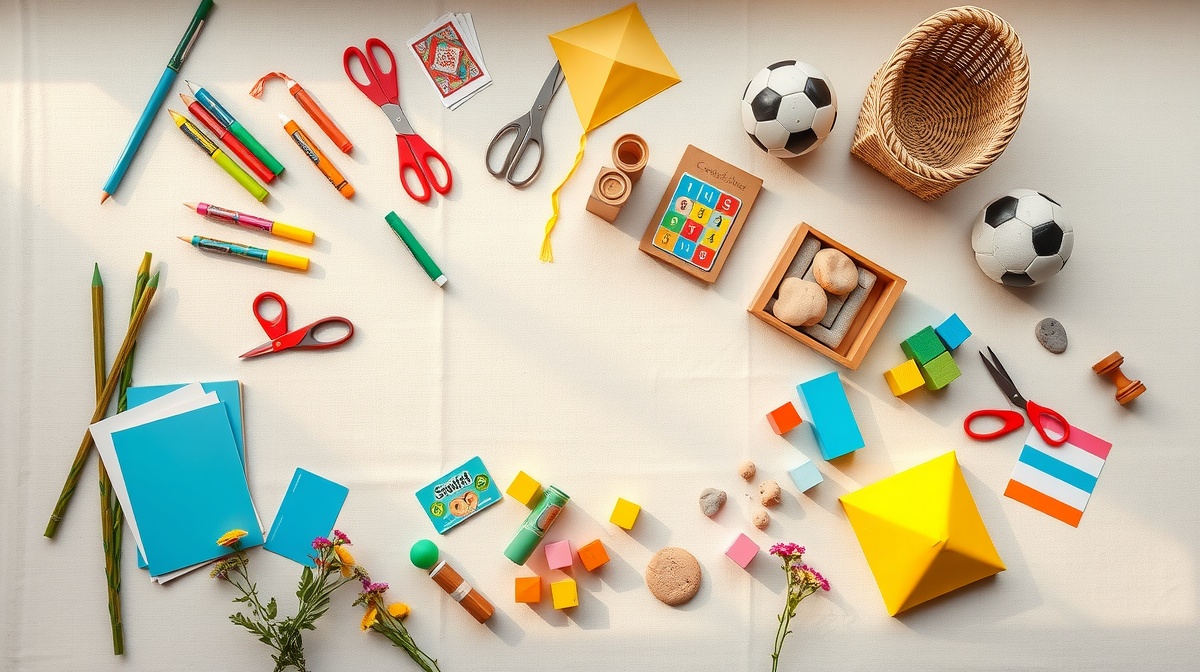
Save cardboard boxes, toilet paper rolls, and egg cartons for craft projects. Add some construction paper and glue sticks, and you've got endless possibilities. My kids have made everything from robot costumes to miniature cities with these basic supplies.
7. Indoor Obstacle Course
This one's perfect for burning energy on bad weather days. Use painter's tape to create balance beams on the floor, set up pillow jumping stations, and create crawl-through tunnels with chairs and blankets.
Time each family member and celebrate personal records. Change the course weekly to keep it interesting. The only investment is a roll of painter's tape (about $3) that'll last for months.
8. Puppet Show or Talent Show
Encourage creativity and confidence with performance activities. Sock puppets are the easiest – just add buttons, yarn, or markers to create characters. Paper bag puppets work great too.
For talent shows, each family member prepares an act. It could be singing, joke-telling, magic tricks, or dance routines. The "audience" cheers for everyone, building confidence and family bonds.
9. Book Reading Marathon or Audiobook Adventure
Create a cozy reading nest with blankets and pillows, then dive into a good book together. Your local library likely offers free access to audiobook apps like Libby or OverDrive, opening up thousands of options.
I've found that kids who might resist reading on their own will happily listen to stories for hours when it's a family activity. Pack some quiet snacks and make it a mini retreat from daily chaos.
10. Video Game Tournament
If you already own gaming systems, organize family tournaments with fair rules for different skill levels. Keep rounds short and award silly prizes like homemade certificates or bragging rights.
This works best as an occasional special activity rather than regular entertainment. The key is making it interactive and social rather than individual screen time.
11. Music and Dance Party
Free music playlists make this practically cost-free fun. Create themed dance parties – 80s music, Disney songs, or current kid favorites. Teach each other dance moves or learn new ones from YouTube tutorials.
Dancing releases endorphins and provides great physical activity. Add glow sticks or colorful scarves for extra excitement. It's amazing how a 30-minute dance party can completely shift everyone's mood.
12. Puzzle or Board Game Marathon
Dust off those board games and puzzles you already own. Create a game night tradition where everyone gets to pick one game. This teaches patience, strategy, and healthy competition.
Check thrift stores for used games in good condition – they're usually $2-5 and provide hours of entertainment. Puzzles are especially great for anxious or overstimulated kids who need quiet, focused activities.
13. Binge-Watch a Kid-Friendly Series Together
Sometimes the best family time is simply watching a great show together. Pick something everyone can enjoy and watch 2-3 episodes with homemade snacks.
The real value comes from shared experiences and conversations afterward. You'll develop inside jokes and references that become part of your family culture.
14. DIY Photo Shoot or Video Making
Kids love seeing themselves "on film." Stage silly photo shoots with props from around the house or create short videos with storylines. Free editing apps like iMovie make it easy to add music and effects.
This activity often extends beyond the initial session as kids want to watch their creations over and over. It's also great for building confidence and creativity.
15. Indoor Treasure Hunt with a Prize Box
Create elaborate treasure hunts with clues leading to a special "treasure." Fill a box with small items – maybe dollar store finds, homemade treats, or even special privileges like "pick tomorrow's dinner."
The anticipation and problem-solving involved make this incredibly engaging. Kids often remember the hunt more than the actual prize, so don't stress about expensive rewards.
How Can Families Have Fun Without Spending Money? (Shift Your Mindset)
Here's the thing most parents don't realize: "free" doesn't mean "boring" or "second-rate." It means intentional. When you can't rely on expensive entertainment to do the heavy lifting, you become more creative, more present, and more engaged.
I've noticed that limiting our options actually increases our enjoyment. There's something called the "paradox of choice" – when we have too many options, we become less satisfied with our decisions. When your entertainment budget is tight, you focus on making the most of what you have.
Kids often prefer playing with cardboard boxes over expensive toys for a reason. Their imaginations are incredibly powerful, but they need space and permission to use them. When you're not constantly providing external entertainment, kids learn to create their own fun.
The psychological benefit here is huge: children feel special when parents invest time and attention, not money. Your presence and engagement matter more than any expensive activity ever could.
The Best Outdoor Activities for Nice Weather (15 Ideas Under $10)
16. Nature Scavenger Hunt
Create lists of items to find outdoors – different types of leaves, interesting rocks, flowers, or insects. Adjust the difficulty based on your kids' ages and make it educational by discussing what you find.
Bring small bags or containers for collections. This activity works in your backyard, local parks, or even urban environments. It's completely free and teaches observation skills while encouraging outdoor exploration.
17. Picnic at a Local Park
Pack sandwiches, fruit, and drinks for an outdoor meal. The change of scenery makes even simple food feel special. Many parks have playgrounds, walking trails, or open spaces for games.
Total cost depends on what you pack, but it's often cheaper than eating at home since you tend to pack simple, healthy options. The fresh air and relaxed atmosphere make it worth the minimal effort.
18. Backyard Camping Adventure
Set up a tent in your backyard or create a sleeping area under the stars. Tell stories, look for constellations, and enjoy the novelty of sleeping outside without the complexity of actual camping.
If you don't own a tent, hang sheets between trees or use your blanket fort skills outdoors. The experience of sleeping outside is what makes it special, not expensive gear.
19. Water Play and Sprinkler Fun
On hot days, sprinklers and water balloons provide hours of cooling entertainment. Set up multiple sprinklers for an obstacle course, or have water balloon tosses and games.
A bag of water balloons costs about $2 and provides an entire afternoon of fun. Add some sidewalk chalk for art projects that kids can wash away with the sprinkler water.
20. Sidewalk Chalk Art Festival
Turn your driveway or sidewalk into an art gallery. Create themes like "favorite animals" or "dream vacation destinations." Take photos of the finished artwork before weather washes it away.
Chalk is inexpensive and provides hours of creative activity. Kids can work individually or collaborate on large murals. It's also great for teaching letters, numbers, or drawing games like hopscotch.
21. Garden Exploration and Planting
If you have garden space, involve kids in planting seeds or caring for plants. Even apartment dwellers can grow herbs in containers or start seedlings on windowsills.
Seeds cost $1-3 per packet and provide ongoing learning opportunities. Kids love watching plants grow and feel proud of caring for living things. Plus, you might get fresh vegetables or herbs from your efforts.
22. Outdoor Games Tournament
Organize tournaments using classic games like tag, hide-and-seek, or red light/green light. Create brackets and award silly prizes for participation rather than just winning.
These games cost nothing but provide great physical activity and family bonding. Rotate through different games to keep everyone engaged and accommodate different skill levels.
23. Bug Hunting and Insect Observation
Arm kids with magnifying glasses (dollar store finds) and go on bug expeditions. Look under rocks, in gardens, or around outdoor lights in the evening.
This satisfies kids' natural curiosity about the world while teaching them about different insects and their habitats. It's educational without feeling like a lesson.
24. Neighborhood Walking Adventure
Explore your own neighborhood with fresh eyes. Create themes like "count red cars" or "find interesting architecture." Bring a camera to document discoveries.
Walking is free exercise and helps kids become more familiar with their community. You might discover parks, interesting houses, or friendly neighbors you never noticed before.
25. Outdoor Movie Night
Hang a sheet between trees or against your house for an outdoor movie screen. Use a laptop or tablet for projection, or even just watch on a larger device set up outside.
Pack blankets, pillows, and snacks for a unique movie experience. The novelty of watching outside makes even familiar movies feel special.
26. Sports Practice and Skill Building
Use balls, frisbees, or sports equipment you already own for skill-building sessions. Practice basketball shots, soccer kicks, or frisbee throws.
Focus on personal improvement rather than competition. Celebrate effort and progress, making it fun rather than pressured. This builds confidence and provides great physical activity.
27. Nature Art and Craft Collecting
Gather natural materials like leaves, sticks, rocks, and flowers to create outdoor art projects. Make leaf rubbings, rock paintings, or stick sculptures.
The materials are free, and you might only need to buy basic supplies like crayons or paint. This combines creativity with nature exploration and can be done in any outdoor space.
28. Outdoor Scavenger Hunt with Photos
Create photo scavenger hunts where kids must find and photograph specific items rather than collecting them. This works great for public spaces where you can't take natural items home.
Use smartphones or cameras you already own. Kids love the technology aspect and feel proud showing off their photographic "finds."
29. Backyard Obstacle Course
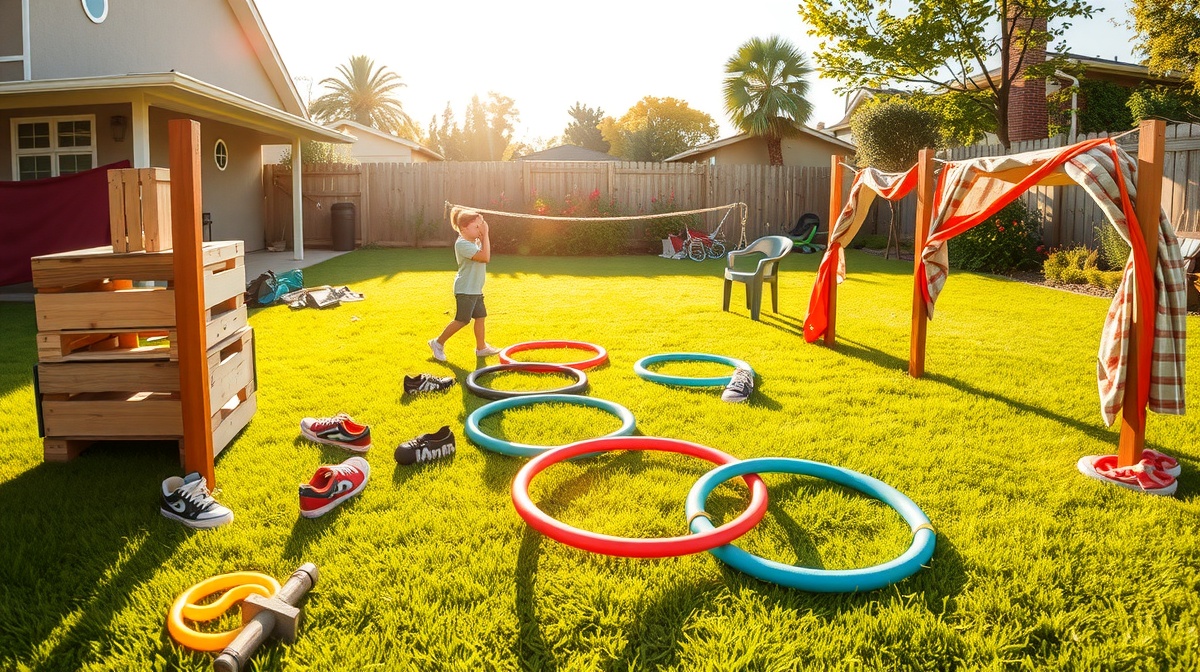
Set up obstacle courses using items from your garage, shed, or house. Hula hoops, jump ropes, cones, or even household items can become course elements.
Time family members and encourage personal bests rather than competition between siblings. Change the course regularly to maintain interest and challenge different skills.
30. Star Gazing and Night Sky Exploration
End outdoor days with star gazing sessions. Use free apps to identify constellations or simply enjoy looking up at the night sky together.
This quiet activity provides natural wind-down time and sparks conversations about space, science, and the world beyond our daily experiences. It costs nothing but creates lasting memories.
Making the Most of Your Family Time (Without Breaking the Bank)
The real secret to successful budget family activities isn't finding the cheapest options – it's changing how you think about family time altogether. I've learned that the activities my kids remember most aren't the expensive ones. They're the times when I was fully present, engaged, and excited to be with them.
Your enthusiasm matters more than your budget. If you approach these activities with genuine excitement, your kids will feed off that energy. If you treat them like consolation prizes for "real" entertainment, they'll sense that too.
Start with activities that match your family's interests and energy levels. Not every family loves crafts, and that's okay. Some families thrive on physical activities while others prefer quiet, creative pursuits. The key is knowing your family and choosing activities that'll genuinely engage everyone involved.
Remember, you don't need to do something special every day. These activities work best when they feel like treats, not obligations. Having a mental list of go-to options means you're ready when inspiration strikes or when you need to shift the day's energy.
Most importantly, give yourself permission to enjoy these simple pleasures. Your kids are watching how you approach life, and showing them that joy doesn't require spending money is one of the most valuable lessons you can teach. Some of my happiest childhood memories cost my parents nothing but time and attention – and I'm willing to bet yours are the same.