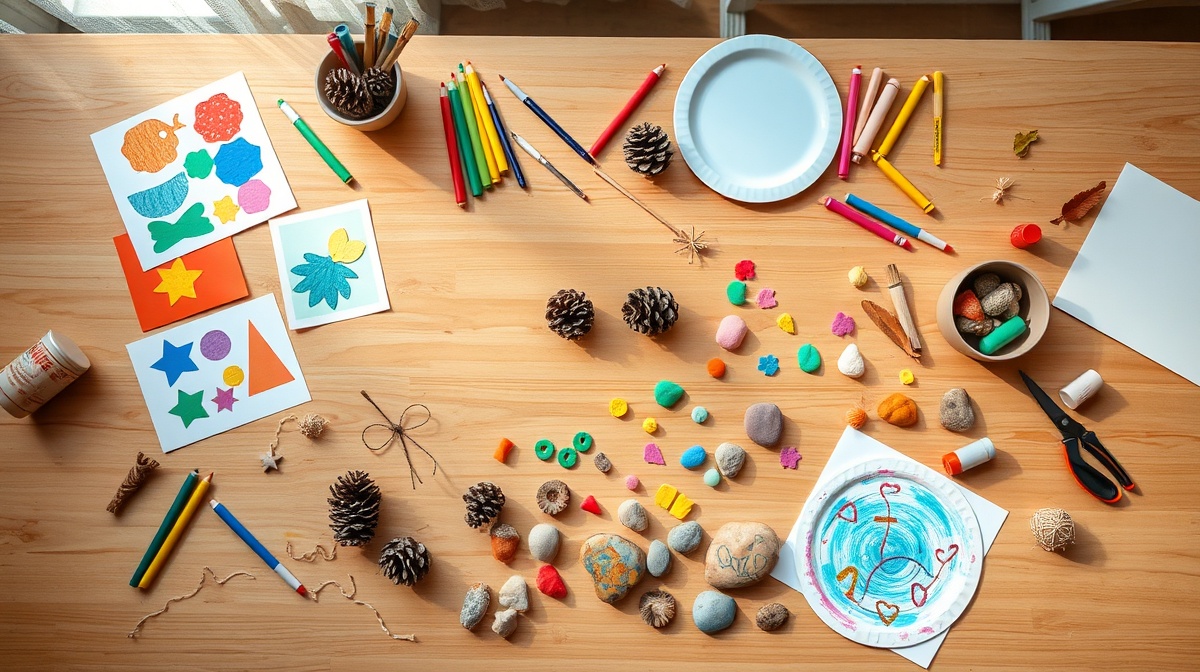
Introduction: The Rainy Day Crisis (And How I Solved It)
Last Saturday, I woke up to the sound of rain pelting my windows and my 6-year-old already whining about being bored. It was 7:30 AM. The day stretched ahead like a prison sentence, and I could practically feel my sanity slipping away with each "Mom, there's nothing to do!"
Here's what I've learned after three kids and countless rainy weekends: you don't need fancy supplies or a crafting budget to keep kids entertained for hours. Everything you need is probably in your kitchen cabinets right now. That Pinterest rabbit hole full of $50 craft hauls? Skip it. The real magic happens when you hand a kid a cardboard box and some markers.
I'm talking about easy kids crafts at home that actually work – not the kind that require a trip to three different stores and leave you wondering why you didn't just turn on the TV instead. These are the crafts that use toilet paper tubes, old magazines, and that random collection of rubber bands in your junk drawer.
The best part? These projects often keep my kids busy longer than any expensive craft kit I've ever bought. There's something about transforming "trash" into treasure that sparks their imagination in ways that pre-packaged activities just can't match.
Why Household Item Crafts Are Actually a Game-Changer
I used to think I needed to stock up on craft supplies to be a good mom. My Pinterest boards were full of elaborate setups with perfectly organized supply caddies and color-coordinated materials. The reality? My kids were more excited about the cardboard box their new art supplies came in than the supplies themselves.
That's when it hit me: household item crafts aren't just budget-friendly (though saving money is definitely a win) – they're actually more engaging. When kids realize they can turn an egg carton into a caterpillar or a paper plate into a flying saucer, they start seeing creative potential everywhere. It teaches resourcefulness in a way that store-bought kits never could.
Here's what I've noticed: my kids spend way more time on these homemade projects than they do on those $15 craft kits from Target. Maybe it's because they feel more ownership over the process, or maybe it's just the thrill of making something from "nothing." Either way, it works.
There's also a hidden mental health benefit here. These crafts give kids screen-free time to build confidence in their creative abilities. When my daughter successfully turns a sock into a puppet, she walks around proud of herself for days. That kind of creative confidence is priceless.
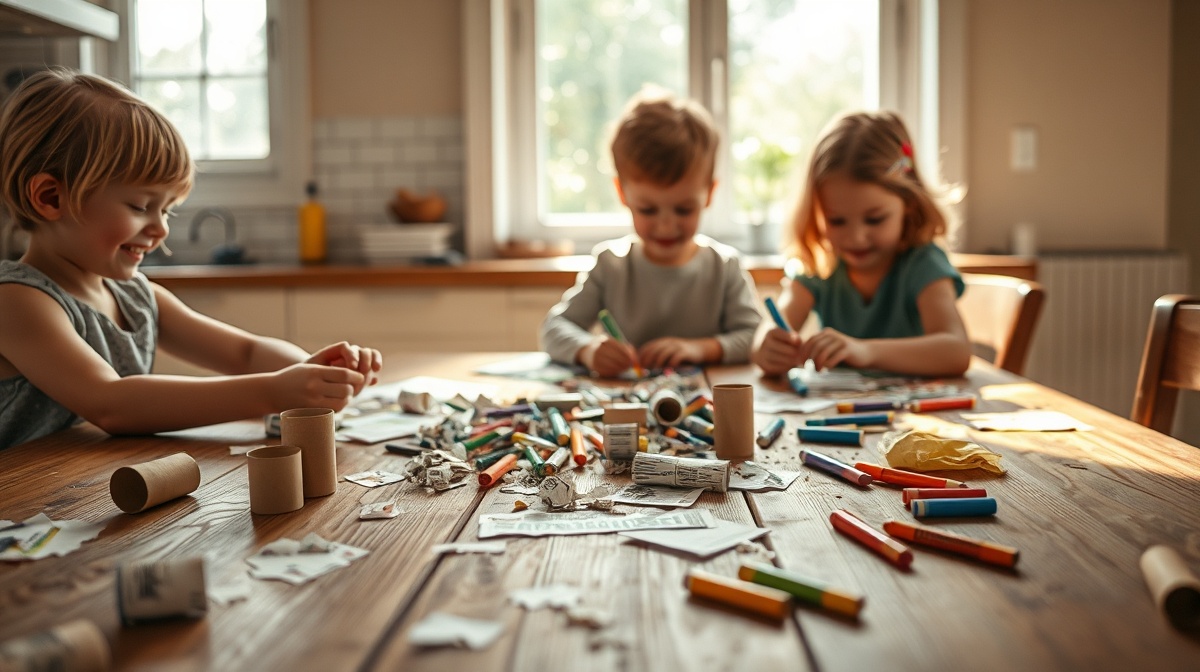
What Crafts Can Kids Make With Household Items?
The range of possibilities is honestly mind-blowing once you start looking at your house through "craft eyes." I've organized the options by material type so you can quickly scan what you have available and jump into action.
Paper & Cardboard Crafts are your bread and butter. That pile of Amazon boxes in your garage? Gold mine. Cereal boxes, paper towel tubes, old magazines, junk mail – it's all fair game. These materials work for everything from simple collages to elaborate cardboard cities. Difficulty level ranges from toddler-friendly to complex enough for tweens.
Kitchen & Food-Based Crafts use pantry staples you probably never thought of as craft supplies. Pasta for painting, salt and flour for homemade playdough, aluminum foil for sculptures. My 4-year-old once spent an entire afternoon making "jewelry" out of painted pasta. The materials cost me maybe fifty cents.
Fabric & Textile Crafts turn old clothes and fabric scraps into new treasures. That pile of socks with holes? Perfect for sock puppets. Outgrown t-shirts become fabric paint canvases. Even old pillowcases can become puppet theaters with a few strategic cuts.
Nature & Outdoor Materials are completely free and endlessly variable. Painted rocks, leaf collages, stick sculptures – these crafts get kids outside to gather materials, which is half the fun. Plus, they change with the seasons, so you'll never run out of new options.
The sweet spot for most of these crafts is the 15-30 minute range – long enough to be engaging, short enough that kids actually finish them. My personal favorite success story: my 4-year-old made a cardboard city that took over our living room for three weeks. Best investment of time I've ever made.
The 30 Easy Crafts (Organized by Difficulty Level)
Easiest (Ages 2-5, 5 Minutes or Less)
1-5. Five Super-Quick Crafts for Toddlers
These are perfect for when you need ten minutes of peace or when attention spans are running short. The key is minimal prep and maximum engagement.
Sticker Collages start with any paper (junk mail works great) and whatever stickers you have lying around. Let kids stick away with no rules. It's pure creative freedom and surprisingly absorbing.
Marker Madness on Paper Bags turns brown lunch bags into canvases. Kids can decorate them, then use them as puppets or masks. The paper texture makes colors pop in unexpected ways.
Pasta Painting uses dry pasta shapes as both paintbrushes and art objects. Dip them in paint and stamp away, or paint the pasta itself for colorful sculptures. Cleanup tip: do this outside if weather allows.
Playdough from Flour and Salt takes 2 cups flour, 1 cup salt, water to bind. Mix, knead, done. Add food coloring if you have it, but plain works fine. It keeps in the fridge for weeks.
Tape Resist Art involves putting painter's tape on paper in patterns, then coloring over everything. Peel off the tape to reveal white shapes underneath. It feels like magic to little kids.
Moderate (Ages 5-8, 15-30 Minutes)
6-18. Crafts That Build Skills Without Frustration
This is the sweet spot – engaging enough to hold attention, achievable enough that kids actually finish and feel proud.
Paper Plate Masks transform boring white plates into character faces. Markers, yarn for hair, maybe some tissue paper for texture. Cut eye holes and you're done. Pro tip: elastic from old underwear makes great mask strings.
Cereal Box Binoculars use small boxes (crackers work too) taped together, with paper towel tubes attached to the front. Paint, decorate, add a string. Suddenly they're explorers.
Painted Rock Creatures start with smooth stones from outside (free!). Wash them first, then paint faces, animals, or abstract designs. They become paperweights, garden decorations, or gifts for grandparents.
Toilet Paper Tube Butterflies get tissue paper wings and pipe cleaner antennae. If you don't have pipe cleaners, twist ties from bread bags work perfectly. The tubes can be painted or wrapped in paper first.
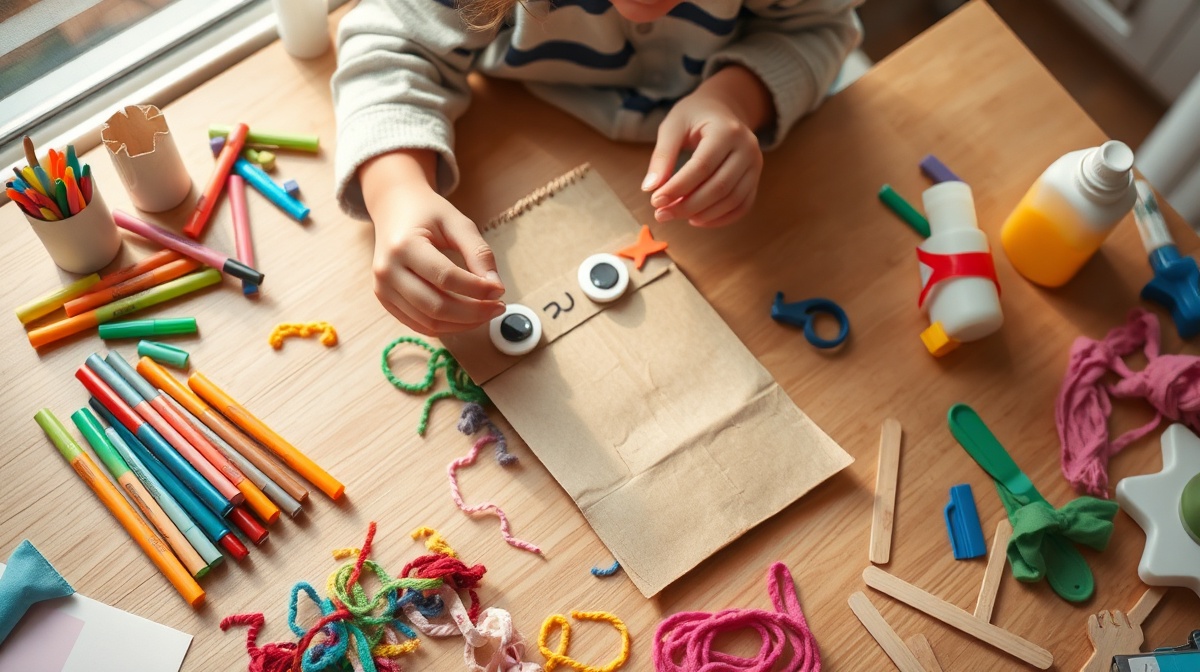
Paper Bag Puppets are classics for a reason. Brown lunch bags become faces when you fold the bottom flap. Draw on the fold for a mouth that opens and closes. Add personality with yarn, buttons, or scraps.
Aluminum Foil Sculptures are pure tactile fun. Give kids sheets of foil to crumple, twist, and shape into animals or abstract art. It's oddly satisfying and requires zero artistic skill.
Newspaper Collage involves tearing (not cutting) newspaper into shapes and gluing them onto paper. The rough edges create interesting textures. Black and white newsprint looks surprisingly sophisticated.
Cardboard Tube Marble Run connects paper towel tubes, cereal boxes, and tape into a marble obstacle course. This one actually takes closer to 45 minutes, but kids will play with it for days afterward.
Magazine Vision Board lets kids cut out pictures of things they like and glue them onto poster board. It's like scrapbooking but easier and more focused on their interests.
Paint Chip Color Matching Game uses free paint chips from hardware stores. Cut them into strips and let kids arrange by color gradients or create rainbow patterns.
Here's the reality check: these crafts actually take 20-30 minutes, not the 5 minutes Pinterest promises. But that's good – it means kids are actually engaged.
Advanced (Ages 8+, 30+ Minutes)
19-30. Crafts That Keep Older Kids Engaged
These projects have enough complexity to challenge older kids and result in something they're genuinely proud of.
Cardboard City/Castle starts with collecting various sized boxes, then planning a layout. Kids can paint buildings, cut windows and doors, even add interior details. This often becomes a multi-day project that takes over a room.
Sock Puppets with Personality go beyond basic tube socks. Stuff them lightly with fabric scraps, sew or glue on features, create backstories. My kids have made entire sock families with different personalities.
Homemade Board Game lets kids design their own rules on cardboard. They create the board, write instructions, make game pieces from bottle caps or buttons. It combines creativity with problem-solving.
String Art on Cardboard uses small nails hammered into cardboard in patterns, then string wound between them. It's geometry made visual and surprisingly meditative. Adult supervision needed for the hammer part.
Papier-mâché Bowls layer newspaper strips with flour-and-water paste over a balloon form. Pop the balloon when dry, and you have a bowl. It's messy but satisfying, and the results are actually useful.
The reason these hold attention longer is simple: kids end up with something substantial at the end. It's not just the process – there's a real product they can show off, use, or give as gifts.
How Do I Keep Kids Busy With Crafts?
Here's what I've learned after years of trial and error: the secret isn't having the perfect craft – it's having the right system.
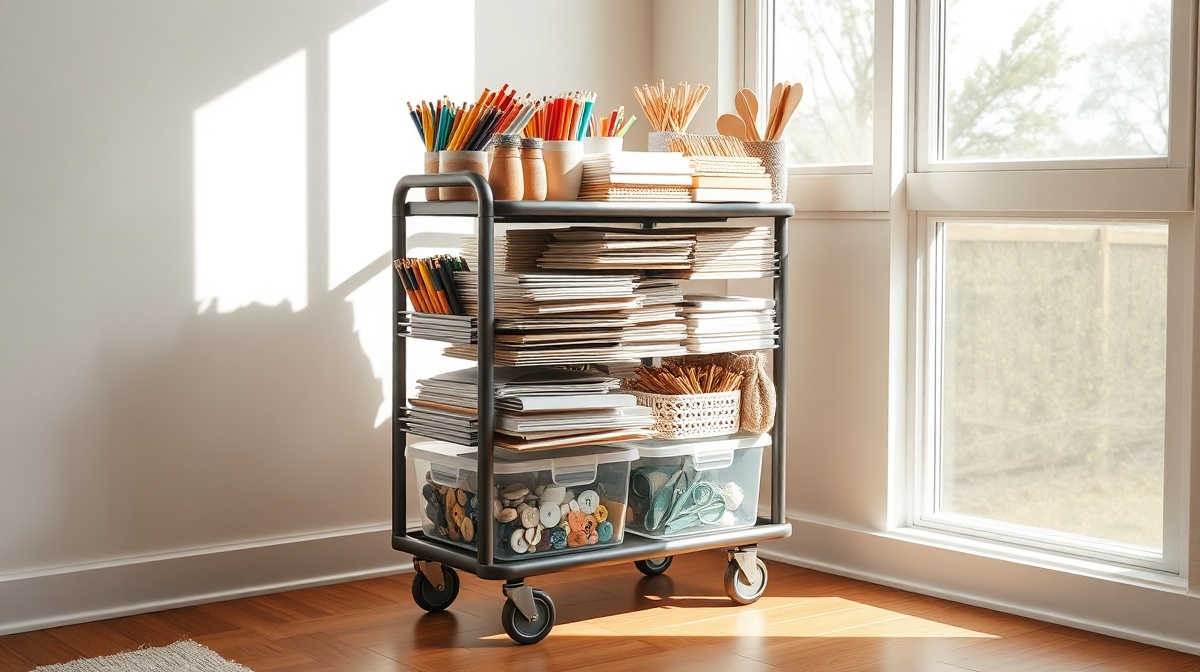
Set up a permanent craft station instead of pulling supplies from random drawers every time. I use a rolling cart with paper, glue sticks, scissors, markers, and a bin of random materials on the bottom shelf. When kids can access supplies independently, they're more likely to actually use them.
Have a rotation system so you're not overwhelming them with all 30 ideas at once. I keep a list on my phone and check off what we've done. When interest drops, I introduce something new. It prevents the "we've done everything" complaints.
Prep materials the night before when possible. If I know we'll need paper strips or painted pasta, I prepare them after bedtime. Removing barriers makes the difference between "let's craft!" and "never mind, too much work."
Create themed craft days like "Cardboard Tuesday" or "Kitchen Craft Friday." It builds anticipation and reduces decision fatigue. My kids actually ask what the theme will be each week now.
The biggest game-changer? Involve kids in material gathering. Make it a treasure hunt through the house. They become invested in the process and learn to see craft potential in everyday items.
Budget-Friendly Crafting: What to Actually Keep on Hand
Let's be realistic about what you actually need versus what craft blogs tell you to buy.
The essentials you probably already have: any kind of paper (printer paper, junk mail, newspaper, old magazines), basic glue (stick or white school glue, plus tape), markers or crayons, scissors (kid-safe and regular), and recycled materials like cardboard boxes, paper towel tubes, and egg cartons.
Nice-to-haves worth buying once: a basic set of acrylic paint (seriously, one set lasts forever), pipe cleaners (so versatile), construction paper in basic colors, and googly eyes. The googly eyes might seem silly, but they add instant personality to any project and cost maybe three dollars.
Free materials to actively collect: junk mail and old magazines (don't recycle them immediately), newspaper, cardboard boxes (ask at grocery stores – they're usually happy to give them away), and natural materials like stones, leaves, sticks, and flowers from outside.
Here's my money-saving hack: I keep a "scrap box" where I throw paper scraps, fabric bits, bottle caps, and random items that might be useful. It's become the most popular supply in the house. Kids love digging through it to find the perfect piece for their project.
The reality is, you don't need much. Some of my kids' favorite creations came from the most basic materials. That elaborate Pinterest setup might look nice, but it's not what makes crafts successful.
Rainy Day Craft Survival Guide
When you absolutely need crafts to work – not just be a nice activity, but actually save your sanity – the setup becomes critical.
Cover the table and lay out materials first. If I skip this step and try to set up while kids are bouncing off the walls, it becomes chaos. Take five minutes to prep while they're still occupied with something else.
Have a backup plan ready. If the first craft isn't working – maybe they're too tired for something complex, or the materials aren't cooperating – pivot quickly to something simpler. I usually have 2-3 options ready to go.
Know your kids' attention spans on any given day. Tired kids get simpler crafts; energetic kids can handle complex projects. There's no point fighting their mood – work with it instead.
Start crafts before the meltdown. Use them as a bridge activity when you see boredom creeping in, not as a last resort when everyone's already losing it. Prevention beats damage control every time.
The timing trick that changed everything: I start offering craft options about 20 minutes before I think they'll hit peak boredom. By the time they're set up and engaged, we've sailed past the danger zone into productive activity time.
Look, I'm not going to pretend every craft session is magical. Sometimes the glue doesn't work right, or someone has a meltdown over marker colors, or the whole thing just falls flat. But when it works – and it works more often than not – you get hours of engaged, creative kids and a house that's peaceful instead of chaotic.
The best part? These aren't just activities to kill time. They're building creative confidence, problem-solving skills, and resourcefulness. Plus, you're not spending money on entertainment, which feels pretty great when you're trying to stretch a budget.
Start with whatever materials you have right now. Don't wait for the perfect setup or the ideal moment. Grab a cardboard box and some markers, call the kids over, and see what happens. I bet you'll be surprised by what they create – and how long it keeps them busy.