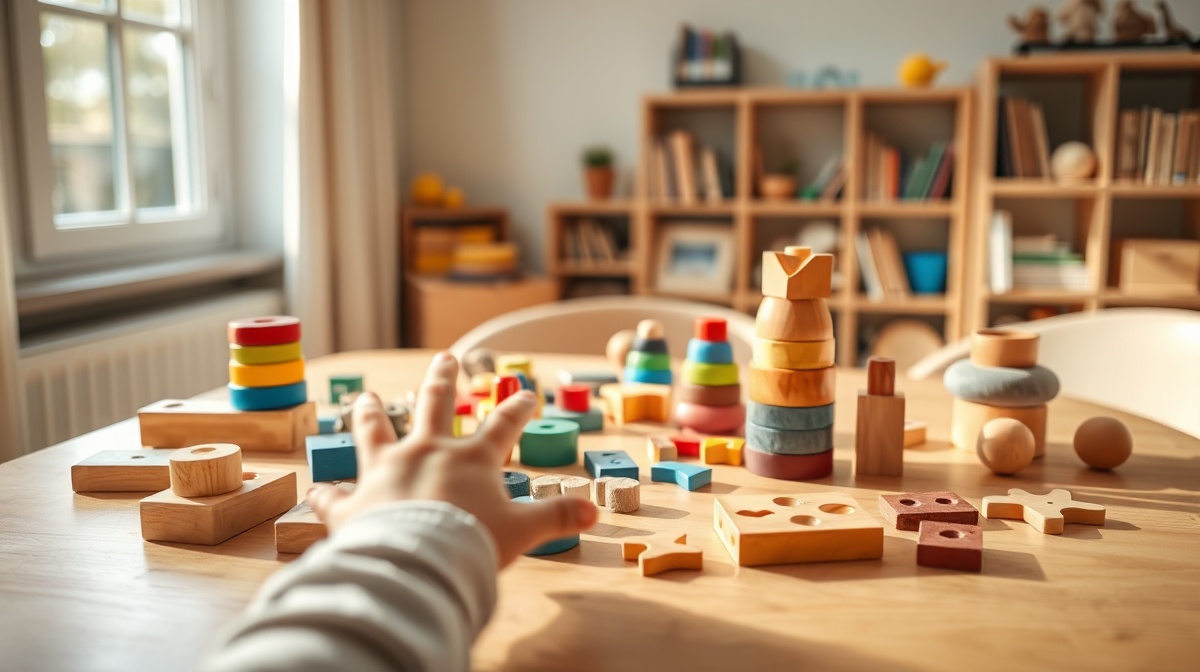
The 3 PM Meltdown (And How I Finally Solved It)
It was 3:17 PM on a Tuesday when I found myself desperately googling “how to entertain a 2-year-old” while my daughter Mia threw her fourth tantrum of the day. The rain was pounding against our windows, we’d already watched two episodes of Bluey, and I was running out of ideas faster than she was running out of energy.
Sound familiar?
I’d fallen into the screen-time trap – that moment when you realize you’ve been using the TV as a babysitter more than you’d like to admit. Don’t get me wrong, I’m not anti-screen. But I was watching my energetic toddler turn into a zombie after every episode, only to become more demanding and cranky when it ended.
That’s when I discovered something game-changing: the right screen-free activities don’t just keep toddlers busy – they actually make them happier, calmer, and more independent. I’m talking about activities that buy you genuine quiet time while building their little brains.
Over the past year, I’ve tested dozens of activities with my own daughter and collected feedback from other stay-at-home moms in my neighborhood. What I found surprised me: some activities that sound boring to adults can captivate a 2-year-old for 45 minutes or more.
Here’s what actually works.
Why 2-Year-Olds Need (More Than) Just Screens
Look, I’m not here to shame anyone about screen time. But here’s what I’ve noticed: when Mia spends her morning doing hands-on activities, she’s genuinely content. When she spends it watching shows, she’s clingy and whiny by lunch.
Two-year-olds are in this incredible developmental sweet spot. Their brains are forming millions of connections every day, and they learn best through touching, moving, and exploring. They’re also developing independence – that’s why they want to “do it myself” constantly.
Active play hits all these developmental needs at once. It builds fine motor skills, problem-solving abilities, and emotional regulation. But here’s the part no parenting book tells you: it also creates what I call “satisfied tiredness” instead of “overstimulated exhaustion.”
When Mia finishes a good hands-on activity, she’s calm and ready for the next thing. When she finishes screen time, she’s wired and demanding. The difference is night and day.
The Secret to Activities That Actually Last Hours (Not 5 Minutes)
I learned this the hard way after watching my daughter abandon activity after activity within minutes. The secret isn’t the activity itself – it’s how you set it up.
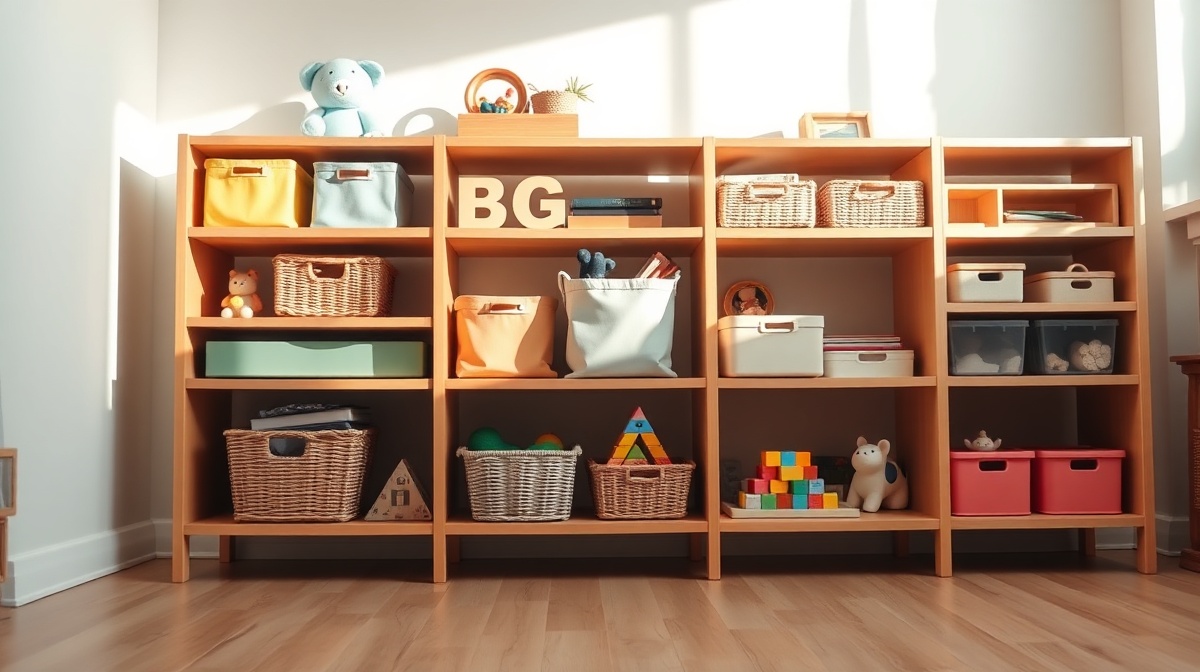
First, make it accessible. I keep all our go-to supplies in low bins she can reach. When she can set up her own play, she’s more invested in it.
Second, embrace the mess. I used to hover and clean up constantly, which killed her focus. Now I put down a shower curtain, roll up my sleeves, and let her explore. The mess is temporary; the learning is permanent.
Third, rotate everything. I have three bins of activities that I rotate weekly. What’s boring on Monday becomes exciting again on Thursday. It’s like having new toys without buying new toys.
Here’s the timing reality: Sensory activities typically hold attention for 20-45 minutes. Building activities can go for 30+ minutes if you don’t interrupt. Art projects are usually 15-20 minutes, but they create something she can be proud of afterward.
The magic happens when you set up 2-3 activities at once and let her move between them. That’s when you get those golden hours of independent play.
What Activities Can I Do With My 2 Year Old at Home?
This is the question I get most from other moms, especially on those long rainy days when going outside isn’t an option. The answer depends on what your child needs in that moment – and what you need too.
Sensory play is your friend when they’re overstimulated or cranky. Water, sand, rice, or even shaving cream can reset their mood completely. These activities are naturally calming and can buy you 30+ minutes of peace.
Fine motor activities are perfect for building independence and concentration. Think stacking, sorting, threading, or play dough. These are quieter activities that work well when you need to make phone calls or prep dinner.
Gross motor play is essential for burning energy, especially on rainy days. Indoor obstacle courses, dance parties, or even couch cushion climbing can tire them out in the best way.
Creative and imaginative play builds problem-solving skills and keeps them engaged longer than you’d expect. Cardboard boxes, dress-up clothes, and simple pretend play scenarios can entertain for hours.
Learning-based activities sound formal, but they’re just everyday tasks made fun. Sorting socks, counting snacks, or matching colors naturally build pre-academic skills without feeling like work.
The key is matching the activity to your child’s energy level and your own needs. High-energy day? Start with gross motor. Cranky afternoon? Try sensory play. Need to get things done? Set up fine motor activities.
The 25 Activities (Organized by Type for Easy Reference)
Sensory Play Activities (The Mess-Makers)
1. Water Table Exploration
I’ll be honest – this changed everything for us. I bought a simple plastic storage container, filled it with a few inches of water, and added cups, funnels, and floating toys. Mia can spend 45 minutes just pouring and transferring water.
You don’t need an expensive water table. A large Rubbermaid container works perfectly. I put it on our kitchen floor with towels underneath and let her go wild. Add ice cubes for extra sensory input, or food coloring for visual excitement.
The key is having the right tools: measuring cups, turkey basters, and small containers for pouring. She’s learning about cause and effect, volume, and physics without realizing it.
Pro tip: Set this up right before lunch. She’ll be calm and focused, and you can prep food while she plays.
2. Kinetic Sand or Moon Sand
This stuff is magic. Unlike regular play dough, kinetic sand holds its shape but flows through fingers. It’s endlessly satisfying for toddlers who need sensory input.
You can buy it ready-made, but I make my own with 4 cups of flour and 1/2 cup of baby oil. Mix it up, and you’ve got homemade moon sand that costs pennies.
I put it in a large shallow container with small shovels, molds, and buried treasures (small toys she can dig up). The contained mess is worth the 30+ minutes of focused play.
Safety note: Watch for eating initially, but most 2-year-olds quickly realize it doesn’t taste good and stop trying.
3. Dry Sensory Bins (Rice, Pasta, Beans)
These are my rainy-day lifesavers. I fill a large container with uncooked rice and add scoops, measuring cups, and small toys. The sound alone is soothing for both of us.
Pasta works great too – different shapes create different textures and sounds. I avoid small beans with younger toddlers, but larger lima beans or kidney beans are usually safe.
The setup is crucial: put the bin inside a larger shallow container to catch spills, or just embrace the mess and vacuum later. Add variety with kitchen utensils, small containers, or toy animals for imaginative play.
She practices pouring, scooping, and burying while developing hand strength and coordination. It’s surprisingly educational.
4. Bubble Wrap Stomp Station
I tape large sheets of bubble wrap to our kitchen floor and let Mia stomp away. The popping sounds and pressure under her feet provide incredible sensory feedback.
This activity works best with music – create a bubble wrap dance party. The sensory input helps regulate her nervous system, especially on high-energy days.
I buy the big-bubble variety because it’s more satisfying to pop and lasts longer. Small bubble wrap gets destroyed too quickly.
It’s loud but short-lived – usually 15-20 minutes of intense sensory play that leaves her calm and happy.
5. Shaving Cream Painting
I squirt non-toxic shaving cream directly onto our kitchen table and let her “paint” with her fingers. It’s art, sensory play, and mess all rolled into one.
The key is using the right kind – I stick to sensitive skin formulas without strong scents. She can spread it, make patterns, or just squish it between her fingers.
Add food coloring for extra visual appeal, or hide small toys inside for a treasure hunt element. The cleanup is actually easy – it wipes right off with a damp cloth.
This activity typically lasts 20-25 minutes and leaves her hands incredibly soft. Win-win.
Fine Motor Activities (The Skill-Builders)
6. Stacking and Knocking Down
Don’t underestimate this simple activity. Mia can spend 30+ minutes building towers just to knock them down with glee. It’s not destructive – it’s developmental.
I use wooden blocks, plastic cups, empty cereal boxes, or soft fabric blocks. Each material creates different sounds and challenges. The stacking builds hand-eye coordination; the knocking down is pure joy.
The repetitive nature isn’t boring to them – it’s comforting. They’re learning about balance, gravity, and cause and effect through play.
I sit nearby and occasionally build my own tower, which always gets knocked down too. It becomes a shared game rather than a solo activity.
7. Sorting by Color or Size
This sounds academic, but it’s actually deeply satisfying for toddlers. I give Mia a mixed bowl of colored pasta, pompoms, or blocks and separate containers.
She naturally starts grouping similar items together. I don’t give instructions – just provide the materials and let her figure it out. Sometimes she sorts by color, sometimes by size, sometimes by her own mysterious criteria.
The activity builds pre-math skills while satisfying their need for order and control. It’s also surprisingly meditative – she gets into a focused zone that lasts 25-30 minutes.
Start with obvious differences (red vs. blue, big vs. small) and let them develop their own sorting systems.
8. Bead Maze or Threading Activities
Large wooden beads and thick string create perfect fine motor challenges. I supervise closely, but Mia loves the concentration required to thread beads onto string.
For younger toddlers, I use wagon wheel pasta and yarn – it’s easier to grip and thread. The goal isn’t perfection; it’s the process of trying and improving.
This activity builds hand strength, bilateral coordination, and focus. She’s practicing the same skills she’ll need for writing later, but it feels like play.
I make it more engaging by using different colored beads or creating simple patterns together.
9. Shape Sorter Obsession
A good shape sorter can entertain for 30+ minutes because it provides just the right amount of challenge. Mia gets frustrated enough to problem-solve but successful enough to keep trying.
I choose sorters with clear shape differences and smooth-fitting pieces. The satisfaction of getting it right keeps her motivated to try again and again.
This builds spatial awareness, problem-solving skills, and persistence. The repetitive success also builds confidence in her abilities.
When she masters the basic shapes, I add challenges like doing it with her eyes closed or racing against a timer.
10. Playdough Squishing and Poking
Store-bought is convenient, but homemade playdough is softer and more satisfying. My recipe: 2 cups flour, 1 cup salt, 2 tablespoons cream of tartar, 2 tablespoons oil, 1.5 cups boiling water. Mix and knead when cool.
I provide cookie cutters, rolling pins, and poking tools (plastic forks, golf tees, wooden skewers with supervision). The open-ended nature means there’s no wrong way to play.
The hand strengthening benefits are incredible – she’s building the muscles needed for writing while having fun. The sensory input is also naturally calming.
I’ve noticed she gravitates toward playdough when she’s overwhelmed or tired. It’s like meditation for toddlers.
11. Sticker Peeling and Sticking
This simple activity is secretly brilliant for developing fine motor skills. The pincer grasp needed to peel stickers strengthens the same muscles used for holding pencils.
I buy sheets of stickers and large paper, or create “sticker scenes” with drawn backgrounds. She can decorate trees, fill empty fish tanks, or just create abstract art.
The concentration required to peel and place stickers builds focus and hand-eye coordination. Plus, she ends up with artwork she’s genuinely proud of.
Dot stickers work best for beginners – they’re easier to peel and less frustrating than detailed shapes.
12. Tearing Paper and Collage
I give her old magazines, colorful paper, and a glue stick for simple collage projects. The tearing motion builds hand strength while the gluing develops precision.
Different paper textures create different sensory experiences – tissue paper, construction paper, magazine pages, and wrapping paper all feel unique.
The key is having realistic expectations. Her collages won’t look like anything recognizable, but the process builds creativity and fine motor skills.
I hang her finished pieces on the fridge, which makes her beam with pride and want to create more.
Gross Motor Activities (The Energy-Burners)
13. Indoor Obstacle Course
I use couch cushions, pillows, and furniture to create simple courses: crawl under the coffee table, jump over pillows, balance on a line of tape, climb over cushions.
The setup takes 5 minutes but provides 20+ minutes of physical activity. I change the course layout regularly to keep it interesting and challenging.
This builds gross motor skills, spatial awareness, and confidence in her physical abilities. It also burns energy effectively on rainy days.
The key is making it feel adventurous, not exercise. I narrate like she’s on a jungle adventure or escaping from pirates.
14. Dance Party with Scarves or Ribbons
I turn on music and give her colorful scarves or ribbons to wave while dancing. The fabric adds visual appeal and encourages bigger arm movements.
The free-form movement builds coordination and body awareness. There’s no right or wrong way to dance, which builds confidence and creativity.
I participate too, which makes it more engaging for her and more fun for me. We have favorite songs that always get us moving.
The scarves create beautiful visual patterns as they move, adding an artistic element to the physical activity.
15. Ball Play in a Small Space
Soft foam balls, beach balls, or fabric balls work perfectly indoors. We play rolling games, gentle tossing, or “basketball” with a laundry basket.
The hand-eye coordination practice is invaluable, and it’s safer than it sounds when you choose the right balls. Nothing hard or heavy.
I set up targets at different distances and heights to create variety. Sometimes we see how many balls she can get in the basket, sometimes we just enjoy the throwing motion.
The key is keeping it playful rather than competitive. Celebrate every attempt, not just successes.
16. Couch Cushion Climbing
I remove couch cushions and create climbing challenges on the floor. She can stack them, jump on them, or use them as stepping stones.
This satisfies their natural need to climb in a safe environment. The soft landing makes it less scary for nervous parents too.
I supervise for safety but let her figure out the physical challenges independently. This builds confidence and problem-solving skills.
The cushions can become mountains, boats, bridges, or anything her imagination creates.
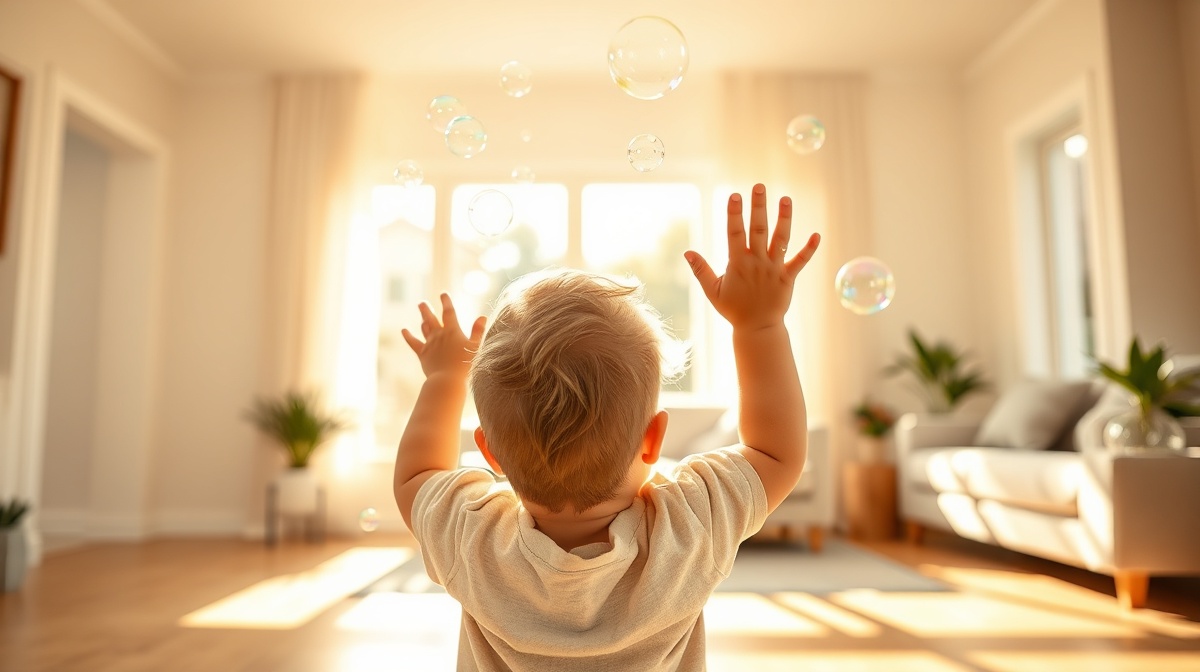
17. Bubble Chasing and Popping
A simple bubble machine or manual wand creates endless entertainment. The unpredictable movement of bubbles encourages running, jumping, and reaching in all directions.
The gross motor benefits are huge – she’s constantly changing direction, reaching up high, and bending down low to catch bubbles.
I blow bubbles from different locations to encourage movement around the room. Sometimes I blow them high, sometimes low, sometimes in rapid succession.
The activity naturally ends when the bubble solution runs out, creating a clear transition to the next activity.
Creative and Imaginative Play
18. Pretend Play with Household Items
Wooden spoons become magic wands, empty boxes become cars, and kitchen pots become drums. The simpler the object, the more creative the possibilities.
I set up “stations” around our living room – a kitchen area with pots and spoons, a doctor’s office with bandages and a flashlight, or a store with empty containers and a toy cash register.
The imaginative play builds language skills, problem-solving abilities, and emotional processing. She works through experiences and emotions through pretend scenarios.
I participate when invited but let her lead the play. Her stories are usually more creative than anything I could come up with.
19. Building with Cardboard Boxes
I save Amazon boxes specifically for building projects. Large boxes become houses or cars, small boxes become furniture or toys for her stuffed animals.
We decorate with markers, stickers, or paint to make them special. The creating process is often more engaging than playing with the finished product.
Cardboard is forgiving – she can cut it (with help), tape it, and modify it without worry. It encourages experimentation and problem-solving.
The environmental aspect is great too – we’re reusing materials that would otherwise be recycled.
20. Blanket Fort Creation
I use couch cushions, dining chairs, and blankets to create cozy hideaways. The enclosed space feels safe and special to toddlers.
Inside the fort, we read books, have snacks, or just enjoy quiet time. The changed perspective makes ordinary activities feel magical.
I let her help with construction when possible – holding blankets while I clip them in place makes her feel involved and invested.
The fort becomes a quiet retreat when she’s overwhelmed or just needs a change of scenery.
21. Dress-Up Box Adventures
I filled a large container with safe costume pieces: hats, scarves, old jewelry, and child-size costumes. The transformation aspect captivates toddlers.
She becomes different characters – a doctor, a princess, a firefighter – and acts out scenarios. This builds empathy and understanding of different roles.
I avoid anything with small buttons or choking hazards, but otherwise let her choose freely. The independence of dressing herself builds confidence.
The costume changes can extend other activities – she might build a fort as a princess or have a tea party as a fancy lady.
22. Simple Cooking or Baking Together
Age-appropriate tasks include stirring, pouring pre-measured ingredients, washing vegetables, or tasting ingredients. She feels helpful and learns practical skills.
I choose simple recipes where her “help” won’t ruin the outcome – muffins, pancakes, or simple sandwiches work well. The process is more important than perfection.
The math concepts embedded in cooking – measuring, counting, sequencing – build early academic skills naturally.
She’s more likely to try new foods when she’s helped prepare them, which is an unexpected bonus.
Learning-Based Activities
23. Picture Book Exploration and Reading
I choose books with sturdy pages and engaging pictures for independent exploration. She “reads” by describing pictures and remembering story elements.
Interactive reading techniques work better than straight reading – we point out colors, count objects, and make animal sounds together.
I keep books accessible in every room so reading opportunities happen naturally throughout the day.
The language development benefits are huge, but the bonding time is equally valuable.
24. Simple Matching Games
I create matching games with household items – socks, spoons, or colored paper squares. The cognitive challenge is perfect for 2-year-olds.
Memory-style games work well too – I put 3-4 objects under cups and let her find matches. Start simple and add complexity as she succeeds.
The problem-solving aspect builds logical thinking skills while the success builds confidence in her abilities.
These games are portable and require no special materials, making them perfect for rainy day entertainment.
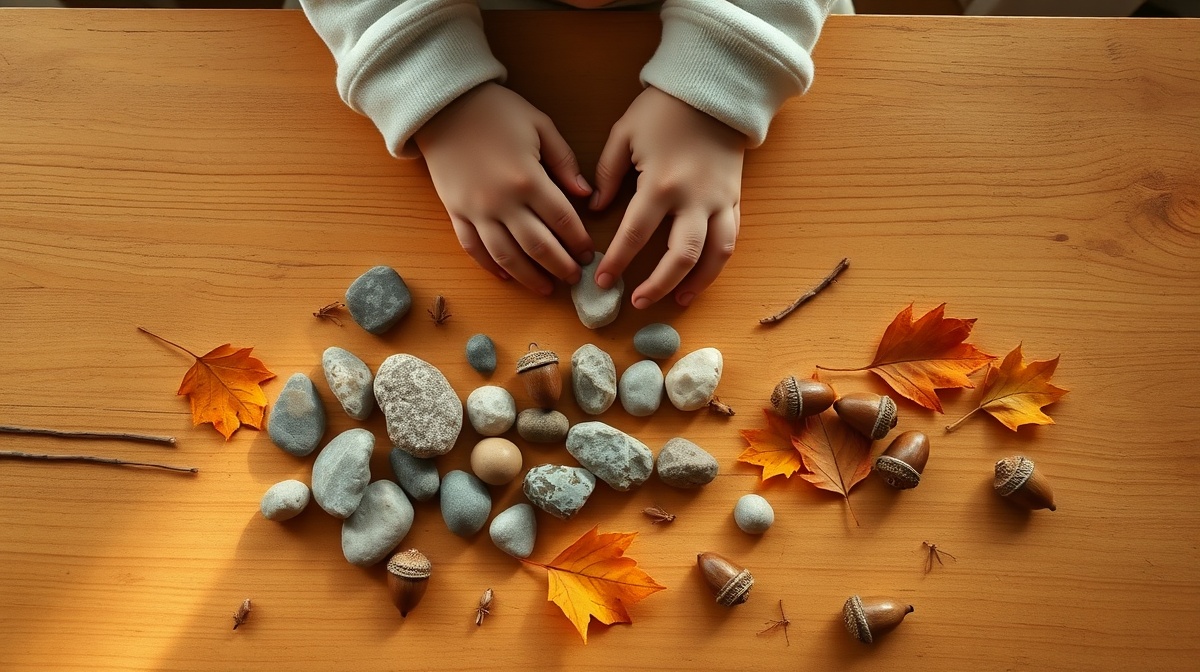
25. Nature Collection and Sorting
Even indoors, we can sort collections from previous outdoor adventures – rocks, leaves, acorns, or shells. Each collection offers different sorting possibilities.
The hands-on science exploration builds observation skills and scientific thinking. She notices details like texture, size, and color naturally.
I ask open-ended questions like “What do you notice?” rather than testing her knowledge. The goal is curiosity, not correct answers.
These collections become treasures she returns to again and again, extending the value far beyond the initial activity.
The Real Talk: What Actually Works Long-Term
After a year of testing these activities, here’s what I’ve learned: variety is everything. What works brilliantly one day might be completely ignored the next. That’s normal and doesn’t mean you failed.
The activities that consistently work are the ones that match her current developmental needs and energy level. When she’s seeking sensory input, no amount of books will satisfy her. When she needs quiet focus, high-energy activities just overstimulate her more.
I keep a mental rotation of 8-10 activities that I know work well, and I introduce new ones gradually. The key is having options ready so I’m not scrambling when the afternoon meltdown starts.
These screen-free activities haven’t eliminated all challenging moments – she’s still 2, after all. But they’ve given both of us tools for creating positive, engaging time together. The independence she’s developed through hands-on play has been life-changing for our entire family.
Your 2-year-old doesn’t need expensive toys or elaborate setups. They need your presence, safe materials to explore, and the freedom to play in their own way. Start with one activity that matches your comfort level and your child’s interests. You might be surprised by how engaged they become – and how much peace it brings to your day.