It was 2 PM on a rainy Saturday, and I was staring at our family budget with that familiar sinking feeling. Four kids were bouncing off the walls, asking what we were doing today, and every idea that popped into my head came with a price tag I couldn't justify. Movies? Sixty bucks for tickets. Mini golf? Another forty. Indoor trampoline park? Don't even get me started.
That's when my six-year-old suggested we build a fort in the living room instead.
Three hours later, we had constructed an elaborate blanket kingdom complete with different "rooms," a snack station, and enough giggles to last the week. It cost us exactly zero dollars and became one of those memories my kids still talk about two years later.
Here's what I realized that day: You don't need to spend money to create the kind of memories your kids will talk about for years. In fact, some of our most treasured family moments have happened when we stopped trying to buy entertainment and started creating it ourselves.
This isn't about being cheap or making excuses for a tight budget. It's about being intentional with your time and discovering that the best family activities often cost nothing at all. Whether you're managing expenses for a large family or just want to step away from the endless cycle of paid entertainment, these 25 activities will give you a toolkit for creating genuine connection without opening your wallet.
And here's the bonus: free activities are infinitely scalable. Got two kids? Perfect. Got six? Even better – no need to multiply ticket prices or worry about group discounts.
Why Free Family Activities Matter More Than You Think
I've noticed something interesting about expensive family outings. There's this underlying pressure to make them "worth it." Did we ride enough rides? Are the kids having the maximum amount of fun per dollar spent? Are we getting our money's worth?
That pressure disappears completely with free activities. Suddenly, you're not watching the clock or calculating cost per hour of entertainment. You're just… present.
The Hidden Benefits of Low-Cost Bonding
Free activities force creativity in the best possible way. When you can't rely on someone else's entertainment infrastructure, you and your kids become the entertainment. You're building something together, exploring together, or solving problems as a team.
I've watched this play out countless times. My kids remember the details from our backyard camping adventures – the way the tent smelled, the stories we told, how we figured out the sleeping bag situation. But ask them about that expensive theme park trip from last summer? They remember it was "fun" but struggle to recall specifics.
Research backs this up too. Studies on family bonding consistently show that quality time matters more than the setting or cost of the activity. Kids value undivided attention and shared experiences far more than elaborate entertainment.
For large families, there's an added benefit: free activities are actually easier to coordinate. No ticket purchasing, no group rates to negotiate, no debates about whether it's worth it for the toddler who might nap through half of it.
What Are Fun Free Activities for Families?
The best free family activities fall into five main categories, and I've tested all of these with my own crew of four kids ranging from preschool to middle school age.
Outdoor adventures work because they combine fresh air, exercise, and exploration. Nature provides endless entertainment if you know how to tap into it.
Creative and indoor activities are your rainy day salvation. These are the activities that turn dreary afternoons into productive, bonding experiences.
Learning experiences might sound like sneaky education (because they are), but kids love them when they're disguised as adventures or challenges.
Community-based activities leverage the free resources that already exist in your area – you just need to know where to look.
Screen-free entertainment addresses the biggest challenge most families face: creating engaging activities that can compete with devices.
Let me break down the 25 activities that have worked best for our family and countless others I've connected with over the years.
The 25 Free Family Activities (Organized by Type)
Outdoor Adventures That Feel Like Real Expeditions
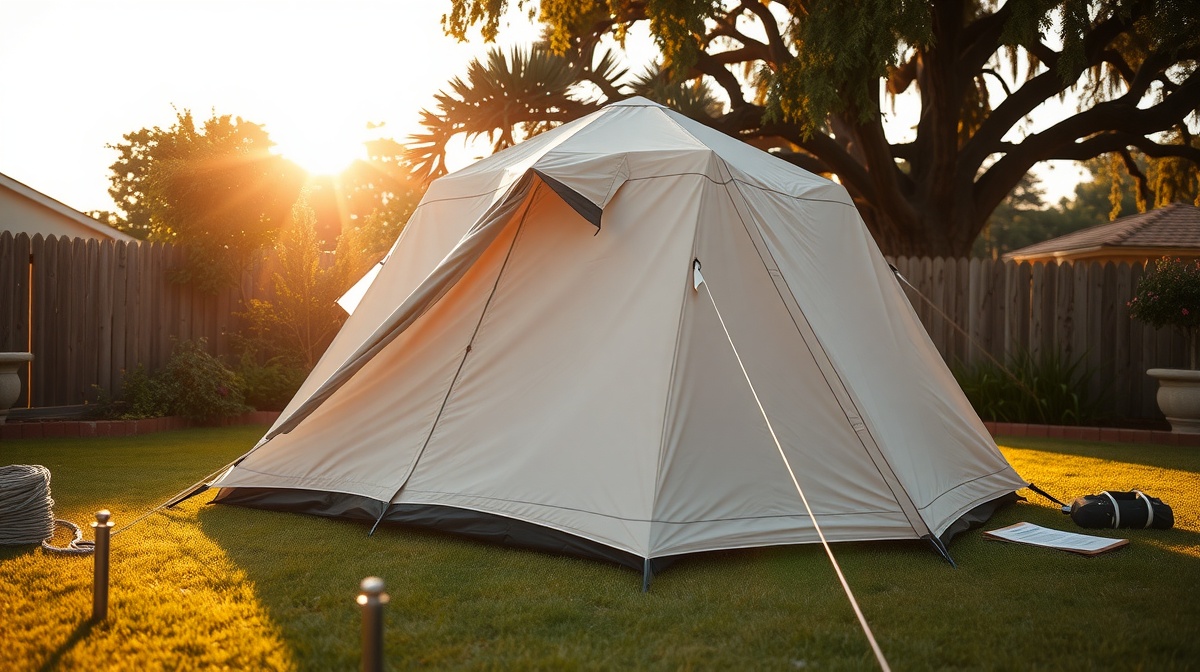
1. Backyard Camping (Or Front Yard, No Judgment)
This is my go-to when we need an adventure but can't handle the logistics of actual camping. Set up a tent, drag out sleeping bags, and suddenly your backyard becomes the wilderness. Make s'mores on a camping stove or portable fire pit if you have one, tell stories with flashlights, and let the kids experience that magical feeling of sleeping somewhere different.
Why it works so well: It creates genuine excitement without any of the stress of real camping. Kids get the adventure, parents get the convenience of indoor bathrooms and forgotten items that are just steps away.
For large families, this is gold. Multiple tents mean kids can group up with siblings or friends, and there's no per-person cost to worry about. I know families who do this monthly, and their kids request it over paid activities every time.
2. Nature Scavenger Hunts (With a Twist)
Forget the basic "find a pinecone" lists. Create themed hunts that challenge kids to really observe their environment. Hunt for different textures, colors, or signs of animal activity. Make it a photo scavenger hunt using your phone camera, and you've got built-in memory keeping.
The key is making it feel like detective work rather than a school assignment. Give kids clipboards, let them check off findings, and celebrate discoveries with genuine excitement.
For large families, divide into teams and have older kids lead younger ones. It naturally creates mentorship opportunities and keeps everyone engaged at their level.
3. Hiking Local Trails (Free Recreation Areas)
Every area has free hiking options – you just need to find them. Start with shorter, easier trails and work your way up as kids build stamina and confidence. The goal isn't distance; it's exploration and achievement.
I've learned to reframe hiking as "expeditions" or "quests" rather than exercise. Bring a field guide to identify plants or birds, pack a picnic lunch, and make reaching the destination feel like a real accomplishment.
Real talk: Start shorter than you think you need to. A successful 1-mile hike beats a miserable 3-mile slog every time.
4. Outdoor Cooking Over a Fire Pit
There's something primal and exciting about cooking over flames. Hot dogs, foil packet meals, popcorn in a covered pot – anything tastes better when it's cooked outdoors.
Prep ingredients inside, then bring everything out in containers. Assign cooking duties by age: older kids can handle skewers and timing, younger ones can help with setup and serving.
This works even if you don't have a permanent fire pit. Many parks have grills available, or you can use a portable camping stove for the same effect.
5. Bike Riding Adventures (Mapping New Routes)
Turn regular bike rides into exploration missions by planning routes to new neighborhoods, parks, or destinations. Make it a "bike quest" where you're discovering new territory rather than just exercising.
Pack a picnic lunch and plan a destination where you can rest and eat. This transforms a simple bike ride into an all-day adventure that costs nothing but time.
I've seen families who do this weekly report that their kids start asking to go biking instead of requesting screen time. The key is variety – new routes keep it interesting.
6. Geocaching (Free Treasure Hunting)
Download the free geocaching app and suddenly you have access to thousands of hidden treasures in your area. It's like a real-world treasure hunt using GPS coordinates.
Start with easy caches rated for beginners, then work up to more challenging ones as your family gets hooked. The thrill of discovery is genuine – these are real containers hidden by other families, often containing small trinkets or just a logbook to sign.
For large families, this is perfect because older kids can help younger ones read clues and navigate, while everyone gets to participate in the actual finding.
7. Stargazing (With or Without a Telescope)
Find the darkest spot you can access, bring blankets, and look up. Download a free stargazing app to identify constellations and planets. Time it with meteor showers for extra magic.
Kids are naturally mesmerized by the night sky, and screens are forgotten completely. It creates this quiet bonding time that's increasingly rare in our busy lives.
You don't need any equipment to start – just curiosity and clear skies. But if you get hooked, a basic telescope or even binoculars can enhance the experience without breaking the bank.
8. Water Play at Public Beaches, Lakes, or Splash Pads
Free water activities are everywhere if you know where to look. Public beaches, lakes, rivers, and increasingly, splash pads in city parks provide hours of entertainment for kids of all ages.
Check your local parks department website – many cities have added splash pads and water features that are completely free to use. For coastal families, tide pools offer endless exploration opportunities.
For large families, designate a "base camp" with chairs and snacks, then let kids explore in buddy pairs. Water play naturally keeps kids engaged for extended periods.

Creative & Indoor Activities (Rainy Day Gold)
9. DIY Art Projects (Using Household Items)
The best art projects use materials you already have. Cereal boxes become sculptures, paper towel tubes become telescopes, and old magazines become collages. There's no pressure for perfection, which unleashes genuine creativity.
Keep a "craft bin" year-round filled with recycled containers, bottle caps, cardboard pieces, and other materials. When inspiration strikes, you're ready.
I've learned that kids are more creative when they have to problem-solve with limited materials rather than when they have access to every craft supply imaginable.
10. Movie Marathon Days (With Homemade Snacks)
This isn't lazy parenting – it's intentional togetherness. Pick a theme, make popcorn from scratch, build a blanket fort, and settle in for quality time.
Let kids vote on the movie selection so everyone feels heard. Create a cozy atmosphere with dimmed lights, blankets, and homemade snacks that feel special.
For large families, this is perfect because it accommodates different ages and energy levels while keeping everyone in the same space.
11. Cooking or Baking Together (Make It a Project)
Choose recipes that require multiple steps and assign tasks by age and ability. Younger kids can measure and pour, older ones can handle cutting and timing.
Start with simple recipes like pancakes or cookies, then build complexity as kids gain confidence. The real magic happens when kids are more excited to eat something because they made it themselves.
This teaches practical life skills while creating something everyone can enjoy together. Plus, you end up with a meal or treat as a bonus.
12. Indoor Obstacle Course (Using Furniture & Imagination)
Cushions become jumping platforms, tape lines become "lasers" to navigate around, and furniture becomes climbing challenges. Let kids design the course first – they'll be more invested in completing it.
This is perfect for burning energy on rainy days and it's hilarious entertainment for parents. Create teams and time challenges for competitive families.
The beauty is that it can be completely different every time using the same basic furniture and supplies.
13. DIY Science Experiments (Volcano, Slime, Crystals)
Kitchen ingredients become lab supplies for safe, simple experiments. Baking soda volcanoes never get old, slime recipes are endlessly variable, and growing crystals teaches patience and observation.
Find free experiment lists online – most use common household items like vinegar, baking soda, food coloring, and dish soap. The educational value is real, but the fun factor is what keeps kids engaged.
Document experiments with photos and let kids hypothesize about results before you start. It's sneaky science education disguised as play.
14. Build a Fort (The Ultimate Indoor Activity)
Blankets, pillows, chairs, and imagination create hideaways that kids will use for hours. Stock the fort with books, flashlights, snacks, and games for extended play.
I've watched kids spend entire afternoons in forts doing absolutely nothing special – just enjoying their own space. That's exactly the point.
Forts can be reading nooks, game spaces, or just quiet retreats. They work for all ages and can accommodate multiple kids comfortably.
15. Talent Show or Karaoke Night
Let each family member prepare an act – singing, dancing, comedy, magic tricks, or whatever showcases their personality. Take turns being performers and audience.
Use YouTube for free karaoke tracks or just let kids perform acapella. The goal is fun and confidence building, not perfection.
For large families, this creates longer entertainment and gives everyone a chance to shine individually while the family celebrates together.
Learning Experiences (Sneaky Education)
16. Visit Free Museums (Many Have Community Hours)
Research local museums, art galleries, and cultural centers that offer free admission days or community hours. Many have specific weekdays or times when admission is completely free.
Check websites and call ahead – many institutions advertise free community events, workshops, or special programming that goes beyond just free admission.
For large families, visit during off-peak hours to avoid crowds and have more space to explore at your own pace.
17. Library Story Time & Book Clubs
Libraries offer far more than just books. Story times, craft sessions, book clubs, and special events provide regular free entertainment and community connection.
Ask your librarian about upcoming programs – many libraries host author visits, science demonstrations, and seasonal activities that are completely free.
Kids who regularly attend library programs often become more engaged readers and develop positive associations with learning.
18. Nature Journaling (Sketching & Writing Observations)
Bring notebooks on outdoor activities and encourage kids to draw and write about what they observe. This combines art, writing, and science naturally.
Start simple – just sketching a leaf or describing the weather. As kids get comfortable, they'll naturally expand their observations and creativity.
Nature journals become keepsakes that document your family's adventures and kids' development over time.
19. Educational YouTube Adventures (Virtual Field Trips)
Curate educational content that feels like entertainment. Virtual zoo tours, museum walkthroughs, science demonstrations, and historical documentaries can spark curiosity and learning.
The key is watching together and discussing what you see. Make it interactive by pausing to ask questions or relate content to your own experiences.
This works especially well during bad weather when outdoor activities aren't possible.
20. Volunteering Together (Age-Appropriate Options)
Many community organizations welcome family volunteers for activities like park cleanups, food bank sorting, or reading to younger children.
This teaches empathy and community responsibility while spending quality time together. Kids gain perspective on helping others and feel proud of making a difference.
Start with one-time commitments to see what resonates with your family before making ongoing volunteer commitments.

Community-Based Activities (Leveraging Free Public Resources)
21. Attend Free Community Events (Festivals, Concerts, Markets)
Every community hosts free events throughout the year – you just need to know where to find them. Check city websites, community centers, and local Facebook groups for upcoming activities.
Farmers markets, outdoor concerts, festivals, and seasonal celebrations provide entertainment, cultural exposure, and community connection without admission fees.
These events often include activities specifically designed for families and children, from face painting to interactive demonstrations.
22. Explore Public Gardens, Parks, and Playgrounds
Beyond your neighborhood playground, most areas have larger parks, botanical gardens, or recreational areas that offer more extensive exploration opportunities.
Many public gardens are free or have free days, providing beautiful walking paths, educational signage, and seasonal displays that change throughout the year.
Research your parks department website – you might discover resources you didn't know existed in your own community.
23. Free Workshops at Home Improvement Stores
Major home improvement chains regularly offer free workshops for kids, teaching basic building skills while creating take-home projects.
These workshops provide tools, materials, and instruction at no cost. Kids learn practical skills and gain confidence using tools in a supervised environment.
Check store websites and sign up in advance – these workshops are popular and fill up quickly.
Screen-Free Entertainment (The Real Challenge)
24. Board Game Tournaments (Using Games You Own)
Create tournaments using board games and card games you already own. Set up brackets, keep score, and celebrate winners with homemade certificates.
Rotate through different types of games to accommodate various ages and interests. Strategy games, word games, and luck-based games all have their place.
For large families, run multiple tournaments simultaneously or create team-based competitions that pair older and younger kids.
25. Storytelling and Creative Writing Sessions
Take turns creating stories, either individually or collaboratively where each person adds to a continuing tale. Write them down to create family story collections.
Start with prompts if kids need inspiration: "What if our dog could talk?" or "Describe your dream treehouse." The goal is imagination and creativity, not perfect writing.
These sessions often reveal kids' personalities, concerns, and dreams in ways that surprise parents and create deeper understanding.
Making Free Activities Work for Your Family
The secret to successful free activities isn't finding the perfect activity – it's approaching them with the right mindset. When you remove the pressure of "getting your money's worth," you create space for genuine connection and spontaneous fun.
For large families, free activities are often more manageable than paid alternatives. There's no ticket coordination, no worry about whether it's worth the cost for different ages, and no pressure to stay for a specific duration to justify the expense.
Start with activities that match your family's current interests and energy levels. A successful simple activity builds momentum for trying more complex ones later. The goal is creating positive associations with family time, not checking items off a list.
Document your adventures with photos, but don't let documentation become more important than experience. Sometimes the best moments happen when phones are put away and everyone is fully present.
Remember that not every activity will be a hit with every family member, and that's completely normal. The activities that do work will become treasured traditions that your kids will remember long after they've forgotten the expensive alternatives.
Here's what I've learned after years of prioritizing free family activities: the best memories aren't bought, they're created. When you stop trying to purchase entertainment and start building it together, you discover that your family's creativity, imagination, and connection are the most valuable resources you have.
So grab that blanket fort blueprint, dust off those bikes, or start planning your backyard camping adventure. Your kids are waiting for memories that money can't buy – and you already have everything you need to create them.