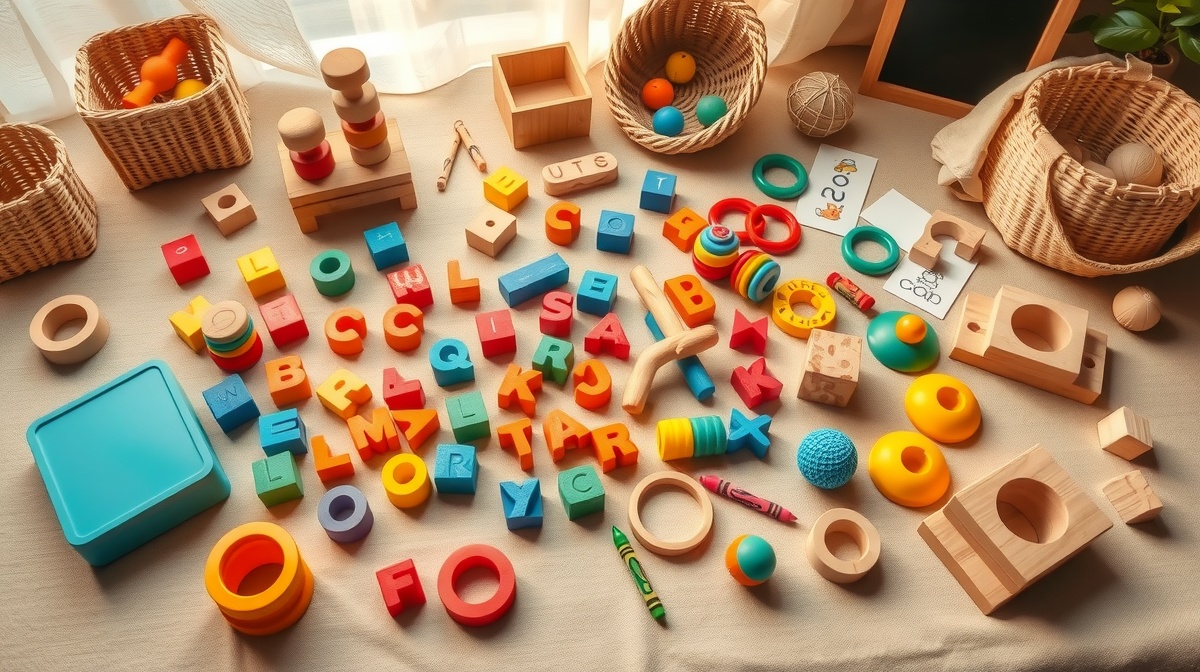
It was 10 a.m. on a Tuesday, and my 3-year-old had already emptied every cabinet in the kitchen, asked "why?" approximately 847 times, and was now staring at me with those big eyes that clearly said, "What's next, Mom?" Sound familiar?
Here's what I've learned after countless days like this: most parents think they need fancy toys or expensive classes to prepare their kids for preschool. But the best preschool prep happens right at home with activities that cost practically nothing.
As a stay-at-home mom, I get it. You're juggling keeping your little one entertained while actually getting things done around the house. The constant "I'm bored" (or in toddler speak, just general restlessness) can make even the most patient parent want to hide in the bathroom for five minutes of peace.
These 25 preschool activities for 3-year-olds are battle-tested by real moms in real homes. They're designed to keep kids engaged for more than five minutes, build actual skills your child will use in preschool, and won't require a Pinterest-perfect setup or a trip to three different stores.
The best part? Your 3-year-old won't even realize they're learning. They'll just think they're having fun.
What Should I Teach My 3 Year Old at Home?
Before we jump into the activities, let's talk about what actually matters at this age. I used to stress about whether my daughter could write her name or count to 100. Then I talked to her preschool teacher, and honestly, it was such a relief.
Here's what really counts for 3-year-olds:
Fine motor skills are huge. This is all about hand strength, grip, and coordination. Think of it as building the foundation for writing later. Your child doesn't need to hold a pencil perfectly yet, but they should be comfortable using their hands for different tasks.
Gross motor skills matter just as much. Running, jumping, balance, climbing – these big body movements build confidence and coordination. I've noticed kids who are comfortable moving their bodies adapt to new environments (like preschool playgrounds) so much faster.
Language and communication development happens naturally through conversation. You're not teaching vocabulary flashcards here. You're talking, reading together, singing songs, and letting them express themselves.
Social-emotional and cognitive growth sounds fancy, but it's really about learning to play with others, handle emotions, and solve simple problems independently.
Here's the reality check I needed: you're not "teaching" like a teacher would. You're creating opportunities for learning through play. The magic happens when your child is having fun and you're present – even if you're folding laundry nearby.
What you don't need to stress about: formal reading lessons, perfect handwriting, or advanced math. Let preschool handle the structured academics. Your job is to build the foundation skills that make everything else possible.
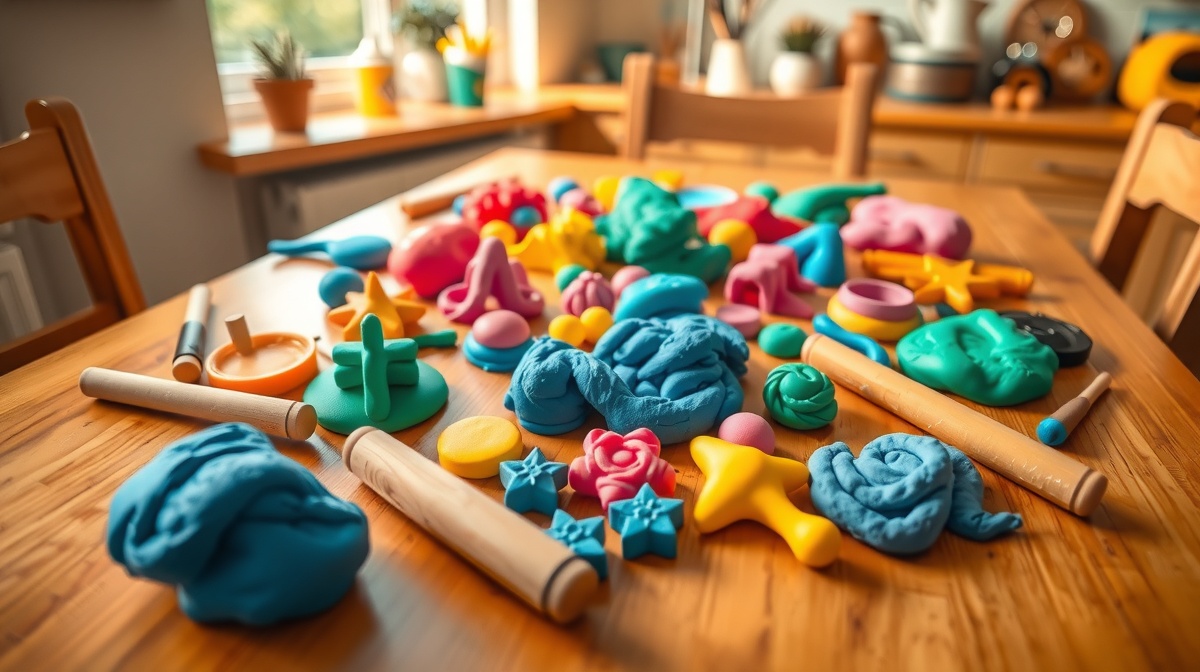
Fine Motor Skill Builders (Hand Strength & Control)
Activity 1 – Playdough Creations & Squishing Games
This is my go-to activity when I need 30+ minutes of focused play. Playdough builds the exact hand muscles your child will need for writing later, but right now it's just satisfying squishing fun.
I keep both store-bought and homemade playdough on hand. For homemade, mix 2 cups flour, 1 cup salt, 1 cup water, and 2 tablespoons oil. Add food coloring if you want, but honestly, plain works fine too.
My daughter once spent 45 minutes just poking holes in playdough with a toothpick. That felt like a parenting win to me. The repetitive squishing, rolling, and poking strengthens those little hand muscles without them even realizing it.
Upgrade the activity by adding tools: cookie cutters, plastic knives, rolling pins, or even kitchen utensils. Let them "cook" with the playdough or create pretend food.
Activity 2 – Threading Beads & Pasta Necklaces
This one develops the pincer grip – that thumb and finger coordination that's crucial for so many preschool tasks. Start with large beads and thick string or pipe cleaners, which are actually easier for little fingers to manage.
I like making it feel purposeful. We create "jewelry" for grandparents or decorations for their room. When kids feel like they're making something meaningful, they stick with activities longer.
Pro tip: Dyed pasta works just as well as fancy beads. Cook pasta like penne or rigatoni, let it dry, then let your child thread it onto yarn. The irregular shapes actually make it more challenging and engaging.
Activity 3 – Sticker Scenes & Peel-and-Stick Art
Don't underestimate the power of stickers. Peeling and placing stickers develops hand-eye coordination and fine motor control. Plus, most 3-year-olds are absolutely obsessed with them.
I keep reusable sticker books in the car for emergency entertainment during long waits. The scenes give kids a framework to work within, but they can still be creative about placement.
While they work, talk about what they're creating. "I see you put the cat on the roof! Why did you choose that spot?" This turns a simple motor activity into language practice too.
Activity 4 – Tearing, Crumpling & Collage Making
Before kids can use scissors safely, they need to develop the hand strength and coordination that comes from tearing paper. I know, it sounds messy – and it is – but it's so worth it for the skill development.
Give them old magazines, newspaper, or tissue paper in different colors. Let them tear it into pieces, then crumple some pieces into balls. We use these torn pieces to create collage art or just enjoy the sensory experience.
Make it a family project. Create a collaborative art piece where everyone contributes torn paper pieces. It becomes less about the mess and more about creating something together.
Activity 5 – Water Play with Pouring & Scooping
Water play is magic for building hand strength and understanding cause and effect. Set up a large container with various cups, funnels, and scooping tools. The bathtub works perfectly for this.
I've found that kids will spend way longer on water activities than almost anything else. There's something deeply satisfying about the pouring and transferring process.
This is exactly what they'll encounter at preschool sensory tables, so you're giving them a head start on classroom activities while they just think they're playing.
Activity 6 – Stamping & Sponge Painting
Stamping builds grip strength while letting kids be creative. Use foam stamps, cookie cutters dipped in washable paint, or sponges cut into shapes.
My sanity tip: set this up outside when possible, or cover your table with newspaper. Use washable paint always – trust me on this one.
Try stamping with natural items too. Cut apples in half, use leaves, or even let them stamp with their hands and feet for a full sensory experience.
Activity 7 – Puzzle Play (Large Piece Puzzles)
Start with 4-6 piece puzzles and gradually work up to more complex ones. Puzzles combine problem-solving with fine motor coordination, and preschool teachers love kids who've had puzzle experience.
Do the first few puzzles together, then step back and let them try independently. The key is finding that sweet spot where it's challenging but not frustrating.
I rotate puzzles every few days to keep them interesting. You can find great ones at thrift stores or borrow different ones from the library.
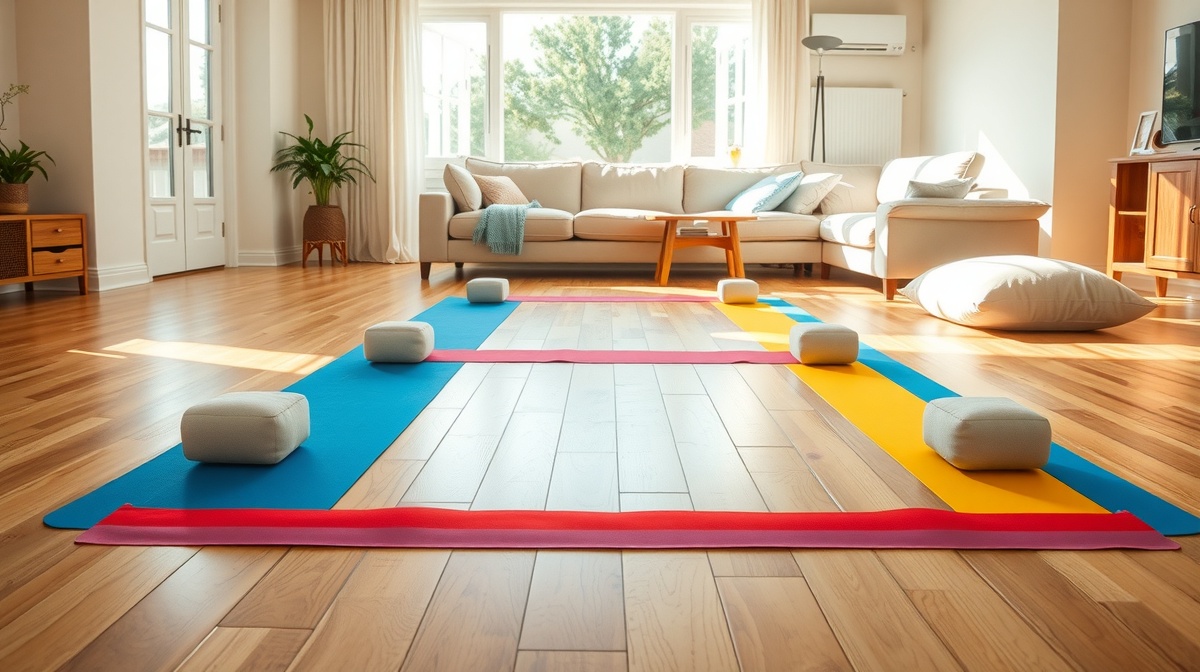
Gross Motor & Movement Activities (Big Body Skills)
Activity 8 – Indoor Obstacle Course
When the weather's bad or you need to burn energy fast, an indoor obstacle course is your best friend. Use pillows for jumping, tape lines on the floor for balance walking, and furniture to crawl under or around.
We created a "jungle gym" in our living room using couch cushions arranged in different configurations. My daughter did the course 30 times in a row – that's serious energy burning right there.
Kids with strong gross motor skills adapt so much faster to preschool playgrounds and gym time. They're more confident trying new physical challenges because they trust their bodies.
Safety note: clear the space of anything sharp or breakable, and stay nearby to spot them if needed.
Activity 9 – Dance Party & Movement Games
Put on music and just move. Do freeze dance, animal movements, or follow-the-leader games. The rhythm and coordination practice is fantastic, plus you might get a little cardio too.
I let my daughter lead the dance moves most of the time. Kids come up with the most creative movements when we're not directing every step.
This is also great for emotional expression. Having a rough day? Dance it out. Too much energy? Dance it out. It's like a reset button for difficult moods.
Activity 10 – Balloon Games (Supervised)
Balloons are perfect for hand-eye coordination because they move slowly enough for 3-year-olds to track and hit. Play keep-it-up, kick the balloon, or bat it with a pool noodle.
Important safety note: this is only for supervised play, and always remove balloons when you're not actively watching. The choking hazard is real, but the developmental benefits are worth it with proper supervision.
Fifteen minutes of balloon games burns serious energy. It's like a workout disguised as play.
Activity 11 – Chalk Drawing & Sidewalk Art
Large-scale drawing builds arm strength and gives kids space to make big movements. Sidewalk chalk, large paper on the ground, or washable markers on a fence all work great.
The outdoor component adds fresh air and vitamin D to the mix. Many preschools have outdoor art stations, so this prepares kids for that type of creative play.
Let them draw whatever they want, but you can also suggest drawing their family, their house, or telling a story through pictures.
Activity 12 – Ball Games & Kicking Practice
Use soft balls, beach balls, or foam balls – they're easier for little ones to track and catch. Start with rolling the ball back and forth before moving to throwing or kicking.
The coordination required for ball games translates directly to playground activities. Kids who are comfortable with balls join playground games more easily.
Don't worry about perfect form. The goal is comfort and confidence with moving balls, not athletic perfection.
Activity 13 – Jumping & Hopping Games
Leg strength and balance develop through jumping activities. Jump on pillows, hop on one foot (or try to), jump over lines on the ground, or pretend to be different animals.
Start with two-foot jumping, which is easier, then progress to single-leg balance and hopping as they get stronger and more coordinated.
Make it imaginative: jump like a frog, hop like a bunny, stomp like an elephant. The pretend play keeps them engaged longer than just "jump here."
Activity 14 – Climbing & Exploration (Safe Spaces)
Safe climbing builds strength, courage, and spatial awareness. This might be playground equipment, sturdy furniture (with supervision), or even climbing up and down stairs repeatedly.
I've learned to let my daughter take safe risks. The confidence she gains from successfully navigating physical challenges shows up in other areas too.
Preschool playgrounds can be intimidating for kids who haven't had climbing experience. A little practice at home makes that first playground visit much less overwhelming.
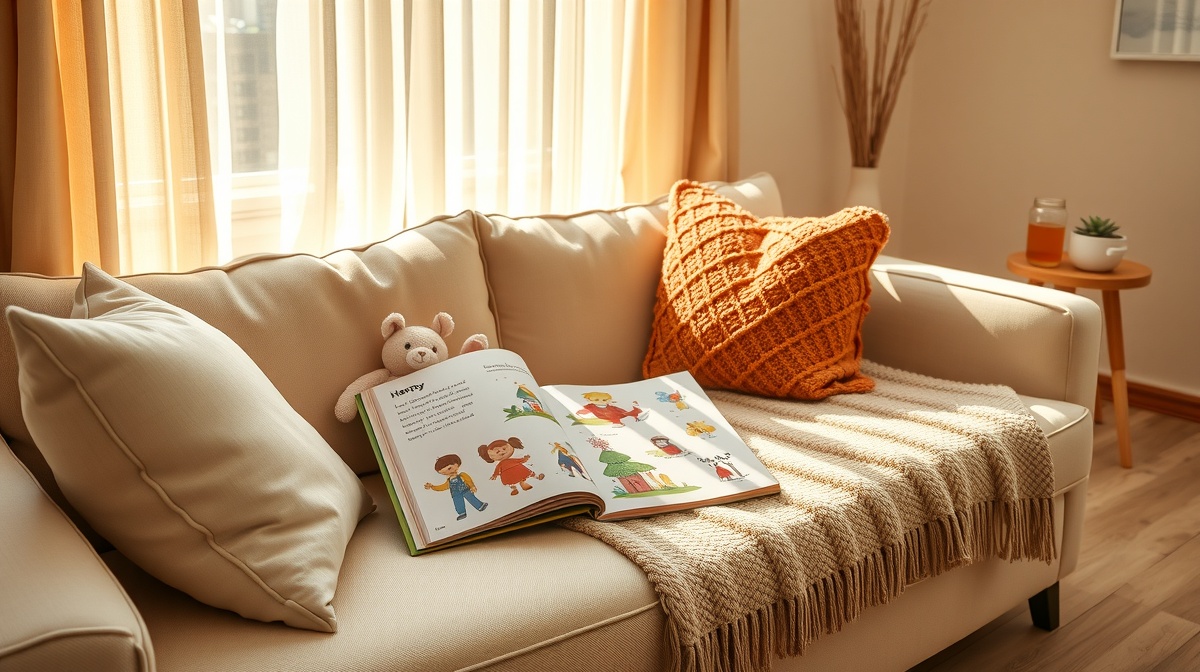
Language & Communication Activities
Activity 15 – Picture Book Conversations
Reading together is obvious, but having conversations about books is where the real language development happens. Instead of just reading the words, ask questions and let them tell you what they see.
I ask things like "What's happening here?" or "How do you think the character feels?" and then actually listen to their answers. Sometimes their interpretations are way more creative than the actual story.
Preschool teachers assess language skills early, and kids who are comfortable talking about books and expressing their thoughts have a real advantage.
Visit the library weekly for variety without breaking the budget. Let your child choose some books – even if they pick the same one five times in a row.
Activity 16 – Singing & Nursery Rhymes
Songs teach language patterns, rhythm, and memory skills. Plus, they're perfect for car rides, cleanup time, or whenever you need a transition activity.
Add hand motions to make songs more engaging and help with memory. "Itsy Bitsy Spider," "Head, Shoulders, Knees and Toes," and "If You're Happy and You Know It" are classics for a reason.
Kids who know songs often adapt better socially in preschool because they can participate in group singing activities right away.
Activity 17 – Storytelling with Props & Puppets
Create simple stories using stuffed animals, action figures, or even kitchen utensils as characters. Let your child direct the story or take turns adding to it.
Sock puppets are easy to make and infinitely entertaining. Even just drawing faces on your fingers with washable markers can create instant puppet shows.
This builds narrative skills, creativity, and confidence in self-expression. It's also hilarious – 3-year-old stories are wonderfully unpredictable.
Activity 18 – Cooking & Following Simple Directions
Cooking together builds vocabulary, following directions, and math concepts like counting and measuring. Start with no-cook recipes like trail mix or simple sandwiches.
Let them help with safe tasks: stirring, pouring measured ingredients, washing fruits and vegetables. Talk through each step as you go.
The kitchen is full of learning opportunities, and kids love feeling helpful and grown-up when they contribute to family meals.
Cognitive & Problem-Solving Activities
Activity 19 – Sorting Games & Pattern Practice
Sorting builds classification skills and logical thinking. Use household items: sort socks by color, organize blocks by size, or separate pasta shapes.
Pattern practice can be as simple as alternating colors with blocks or arranging toys in repeating sequences. Start with AB patterns (red, blue, red, blue) before trying more complex ones.
These skills directly transfer to early math concepts in preschool, but at home they just feel like organized play.
Activity 20 – Memory Games & "I Spy"
"I Spy" develops observation skills and vocabulary. Start with obvious things and gradually make them trickier as your child gets better at the game.
Simple memory games like hiding a toy and asking them to find it, or playing "What's Missing?" with three objects build concentration and memory skills.
These games are perfect for waiting times – in the car, at restaurants, or during those inevitable delays in daily life.
Activity 21 – Building & Construction Play
Blocks, magnetic tiles, or even cardboard boxes for building develop spatial reasoning and problem-solving skills. Let them build freely without too much direction.
Talk about what they're creating: "That's a tall tower! How did you make it so stable?" This builds both vocabulary and engineering thinking.
Construction play often keeps kids engaged for extended periods, giving you time to accomplish other tasks nearby.
Activity 22 – Nature Exploration & Collection Games
Go outside and collect leaves, rocks, flowers, or sticks. Sort them by size, color, or type. Create nature art or just enjoy the discovery process.
Nature provides endless learning opportunities: counting, comparing, observing changes, and asking questions about how things work.
Regular outdoor time builds curiosity and observation skills while providing the physical activity that 3-year-olds desperately need.
Social-Emotional & Creative Activities
Activity 23 – Pretend Play & Role-Playing
Set up simple pretend play scenarios: playing house, restaurant, doctor, or any profession that interests your child. Provide props but let them lead the play.
Pretend play builds empathy, social skills, and creativity. It also helps kids process experiences and emotions in a safe way.
Join their play sometimes, but follow their lead. The goal is to support their imagination, not direct it.
Activity 24 – Art Projects & Creative Expression
Provide basic art supplies – crayons, markers, paper, glue sticks – and let them create freely. Process art (focused on the experience) is more valuable than product art (focused on the final result) at this age.
Don't worry about recognizable pictures or perfect technique. The goal is self-expression and comfort with creative materials.
Display their artwork to show you value their creativity. A simple frame or spot on the refrigerator makes their work feel important.
Activity 25 – Helping with Household Tasks
Include your 3-year-old in age-appropriate household tasks: setting the table, matching socks, wiping surfaces, or organizing toys.
This builds responsibility, following directions, and the satisfaction of contributing to the family. Plus, many hands make lighter work, even if it takes longer initially.
The independence and helpfulness that develops from household participation translates directly to classroom expectations in preschool.
Making It Work in Real Life (Because Perfect Pinterest Moments Aren't Reality)
Let's be honest about how this actually works in daily life. You don't need to do all 25 activities every week, or set up elaborate Pinterest-worthy stations, or maintain constant entertainment.
I rotate through about 5-7 activities per week, depending on the weather, my energy level, and what my daughter is interested in that day. Some days we do elaborate playdough creations; other days we just dance to three songs while I make lunch.
The key is having options ready. When you hear "I'm bored" or see signs of restlessness, you can quickly pull out an activity that matches your current energy and time availability.
Keep supplies accessible but organized. A simple bin with art supplies, another with building materials, and basic items like playdough and puzzles within reach makes setup much easier.
Remember that you don't need to actively participate in every activity. Some of the best learning happens when kids have the space to explore independently while you're nearby doing your own tasks.
Most importantly, don't stress about doing everything perfectly. Your child benefits more from a relaxed parent offering simple activities than a stressed parent trying to create elaborate learning experiences.
These preschool activities for 3-year-olds work because they meet kids where they are developmentally while building real skills for the future. Your child will enter preschool confident, curious, and ready to learn – not because you taught them to read at age three, but because you gave them countless opportunities to explore, create, and grow through play.
The best part? You'll probably have more fun than you expected, and those "I'm bored" moments will become opportunities for connection and discovery instead of sources of frustration.