The 3 PM Meltdown (And How I Finally Fixed Mine)
It was Tuesday at 3:47 PM when I officially hit rock bottom as a parent. I was on a client call, trying to sound professional while my two-year-old melted down because I wouldn't give her the iPad. Again. The guilty whisper in my head got louder: You're using screens as a babysitter.
Sound familiar?
Here's what I wish someone had told me earlier: boredom isn't bad parenting. It's actually where creativity happens. But that revelation only came after I spent three desperate weeks testing every screen-free activity I could find, armed with nothing but dollar store supplies and sheer determination.
Most of those Pinterest-perfect craft ideas? Total disasters. But I found 15 activities that actually work — the kind that keep my daughter busy for hours while I handle work calls, prep dinner, or just breathe for five minutes. These aren't Instagram-worthy projects. They're real, messy, and genuinely engaging.
The best part? Most cost absolutely nothing and require minimal prep time. Because let's be honest — working moms don't have time for elaborate setups.
Why Screen Time Isn't the Enemy (But Breaking the Habit Is)
Look, I'm not here to shame anyone for using screens. The American Academy of Pediatrics says limited screen time for 2-year-olds isn't going to ruin them, and honestly? Sometimes you need 20 minutes to answer emails without tiny hands pulling at your leg.
But here's what I discovered: my daughter wasn't asking for the iPad because she loved Bluey (though she does). She wanted it because screens provide instant dopamine hits and predictable entertainment. Her developing brain craved that easy stimulation.
The real challenge isn't eliminating screens entirely — it's teaching our kids that boredom can lead to something even better. Once I started offering alternatives that were just as engaging, the iPad requests dropped by about 80%.
You're not failing if your toddler watches TV. You're human. But if you're ready to mix things up, here's what actually works.
What Activities Can I Do With My 2 Year Old at Home?
This was my exact Google search at 2 AM one particularly rough night. The internet gave me 847 craft ideas requiring supplies I didn't have and patience I'd already spent.
Here's what I learned: successful toddler activities home entertainment falls into four categories:
Sensory play (water, textures, mess-making) — these are goldmines for attention spans
Movement activities (climbing, dancing, obstacle courses) — essential for burning energy
Creative projects (painting, play dough, stickers) — fine motor skill builders
Exploratory play (treasure hunts, sorting games) — problem-solving adventures
The rotation method changed everything for me. Instead of introducing all activities at once, I rotate through different types based on my daughter's mood and energy level. Cranky afternoon? Sensory play. Bouncing off walls? Movement time. Quiet morning? Creative projects.
Most importantly, I stopped buying special supplies. The best toddler activities use what you already have: measuring cups, cardboard boxes, dried pasta, and your kitchen sink.
The 15 Activities (Organized by Type & Prep Time)
SENSORY PLAY (The Easiest Category for Busy Moms)
1. Water Play at the Kitchen Sink
Prep time: 2 minutes | Engagement time: 30-45 minutes
This is my secret weapon. My daughter will stand at the kitchen sink for 45 minutes straight while I prep dinner three feet away. All you need is a sturdy step stool, some measuring cups, sponges, and plastic containers (I save all our takeout containers for this).
The magic happens when you add simple tools: a turkey baster, funnel, or colander. She pours, measures, transfers, and completely zones into the activity. I can actually have a work call while she plays — just stay in the same room for safety.
Cost: $0 if you have a step stool, $15-20 if you need to buy one.
2. Edible Sensory Bins (Pasta, Rice, Beans)
Prep time: 5 minutes | Engagement time: 40-60 minutes
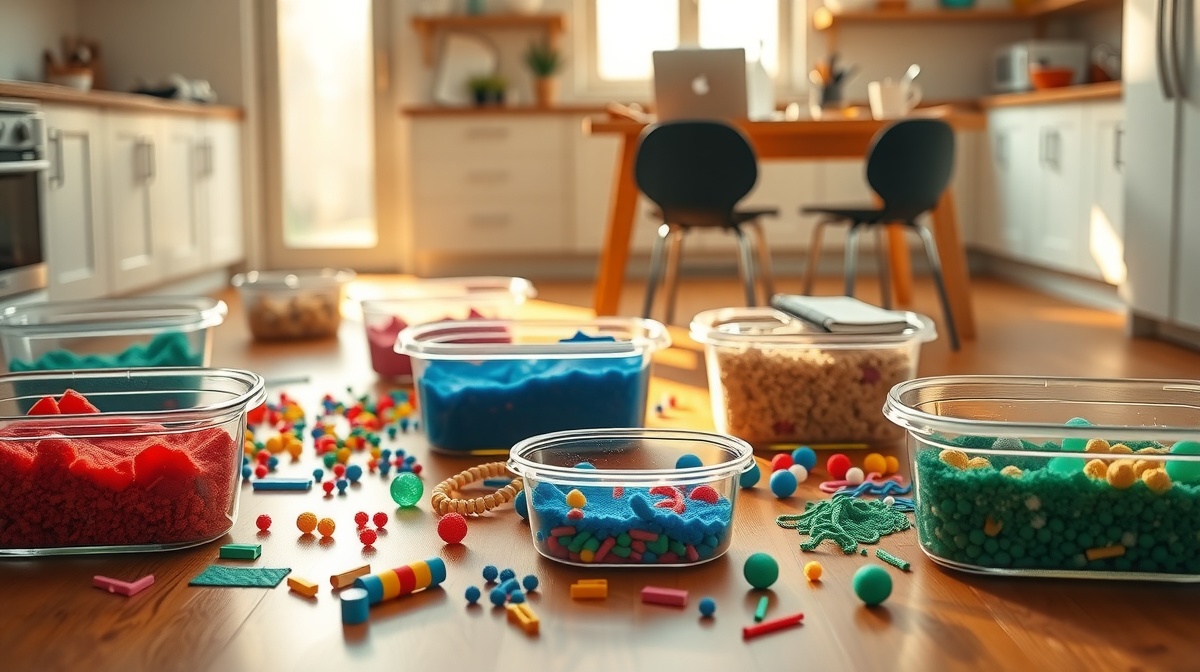
Genius factor: it's edible, so no panic when they inevitably taste it. I fill a shallow storage bin with uncooked pasta, dry beans, rice, or even cereal. Add measuring cups, scoops, and small toys to "bury" and find.
My go-to setup: penne pasta in a under-bed storage container with a set of measuring spoons and a few toy cars. My son will dig, scoop, and drive cars through pasta mountains for over an hour.
Pro tip: lay a sheet underneath to catch spillage. Buy the cheapest pasta at the dollar store — you're not eating it.
Cost: $3-5 for supplies that last months.
3. Homemade Play Dough
Prep time: 15 minutes | Engagement time: 45-90 minutes
Store-bought play dough costs $8-12 and dries out in a week. Homemade costs $1-2 and works just as well. My recipe: 2 cups flour, 1 cup salt, water until it feels right, food coloring if you have it.
Add cookie cutters, plastic utensils, or a rolling pin. The real magic isn't what they make — it's how the moldable, squeezable texture keeps their hands busy so their brain settles.
My daughter talks to herself for an hour while making "cookies" and "snakes." It's like meditation for toddlers.
4. Shaving Cream Sensory Play
Prep time: 2 minutes | Engagement time: 30-45 minutes
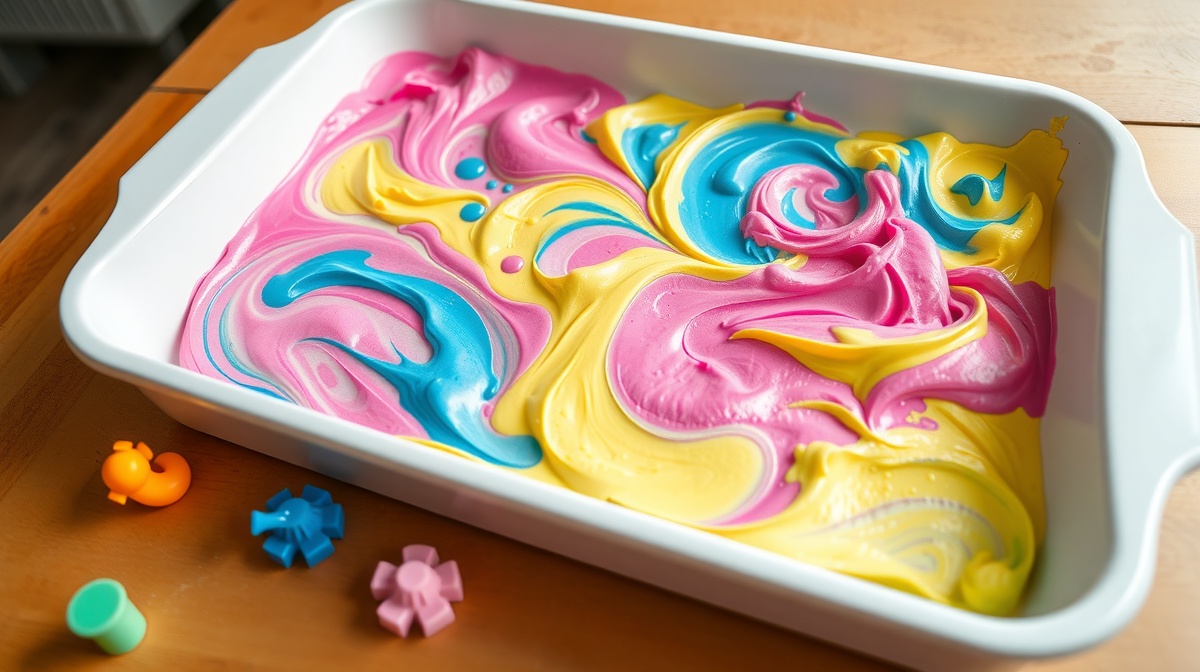
Parents are always shocked by how long this holds attention. Spread shaving cream on a baking sheet, add a few drops of food coloring, and let them swirl it around with their hands.
Do this over a bathtub, outside, or just accept that your kitchen will need wiping down. The unexpected texture plus color-mixing keeps them hypnotized. This is my emergency activity when I need 45 uninterrupted minutes for work.
Cost: $0 (you probably have shaving cream).
MOVEMENT & GROSS MOTOR (Burn That Energy)
5. DIY Indoor Obstacle Course
Prep time: 10 minutes | Engagement time: 45-60 minutes
Your living room is a gym waiting to happen. Use pillows to jump over, chairs to crawl under, tape on the floor for balance beams, and couch cushions to climb.
My standard course: crawl under the dining table, jump over three pillows, walk along a tape line, climb the cushion mountain I built against the couch, then slide down. My son repeats this circuit at least five times before he's satisfied.
The beauty is variety — change the course layout and it feels completely new. No fancy equipment needed.
6. Dance Party (With Props)
Prep time: 1 minute | Engagement time: 20-30 minutes
Don't underestimate this one. Movement plus music equals happy, tired toddler. Add scarves, ribbons, pom-poms, or just colorful socks on their hands for "props."
My playlist: "Let It Go," "Baby Shark," anything with a strong beat. You can dance with them or supervise from the couch while answering emails. It's also brilliant for burning off frustration and boosting moods.
Dollar store scarves cost $3 and last forever.
7. Blanket Fort Building & Exploration
Prep time: 5 minutes | Engagement time: 60+ minutes
Toddlers love enclosed spaces — they feel safe and special. Drape blankets over chairs, your couch, or dining table. Add pillows, stuffed animals, books, and a flashlight if you have one.
The same fort becomes a house, cave, spaceship, or secret hideout depending on their imagination that day. My kids have spent entire afternoons in the same fort, bringing different toys in and out.
This costs nothing and uses stuff you already have.
8. Supervised Stair Adventures
Prep time: 2 minutes | Engagement time: 20-30 minutes
If you have stairs, you have a toddler magnet. Let them climb up, slide down on their belly (supervised!), practice stepping patterns, or just explore this fascinating structure.
Always gate the top, stay right there with them, and remove any hazards. But stairs naturally provide the perfect challenge progression — they build confidence and gross motor skills.
CREATIVE & FINE MOTOR (Mess Is the Point)
9. Low-Pressure Painting
Prep time: 5 minutes | Engagement time: 30-45 minutes
Mindset shift: this isn't about creating art. It's about the process. Washable paint, paper, brushes, sponges, or fingers — all fair game.
Try painting on a baking sheet, using shaving cream as paint, or just painting with water on the sidewalk. The goal is color exploration and fine motor development, not masterpieces.
Do this outside, use paint smocks, and accept that paint will happen. Dollar store supplies work perfectly.
Cost: $3-5.
10. Sticker Books & Sticker Play
Prep time: 0 minutes | Engagement time: 30-60 minutes
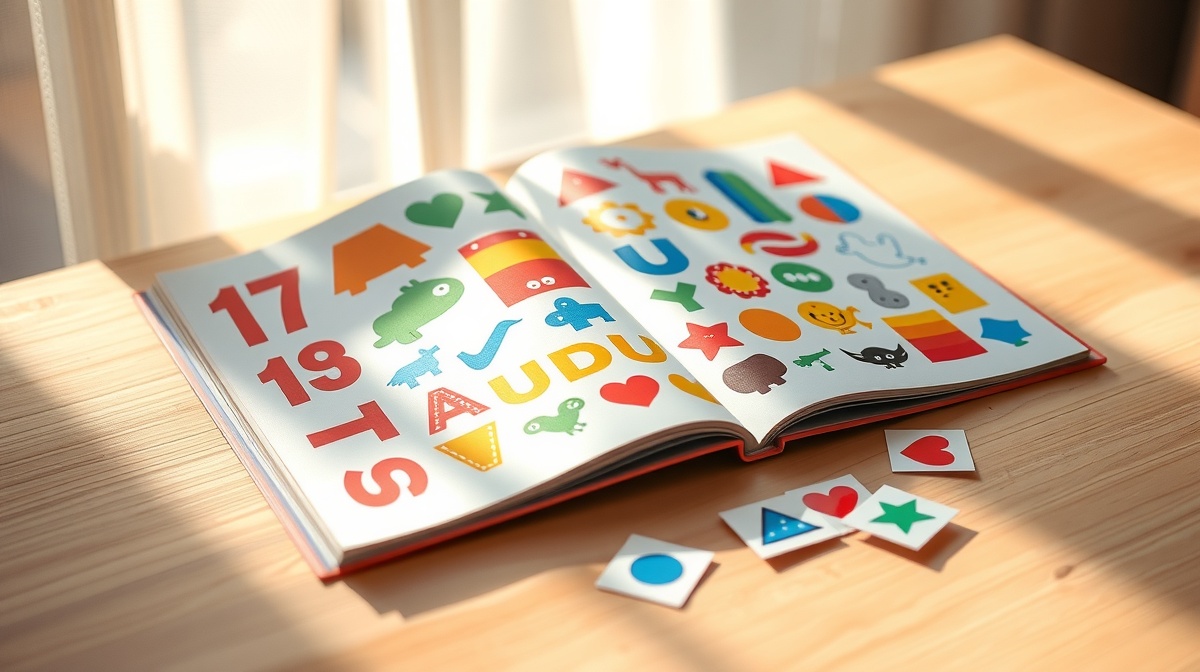
Stickers are pure magic for toddlers. Buy reusable sticker books where stickers stick and unstick repeatedly. Peeling and placing develops their pincer grip while satisfying their need for control.
My daughter will sit and do stickers for an hour straight. Dollar store sticker books work just as well as expensive ones.
Cost: $1-3.
EXPLORATORY & PROBLEM-SOLVING
11. Treasure Hunts & Hiding Games
Prep time: 5 minutes | Engagement time: 30-45 minutes
Hide small toys, snacks, or interesting objects around one room. Give simple clues: "Look under something soft" or "Check where we keep books."
This develops problem-solving skills and keeps them moving. I hide the same five toys in different spots and it feels completely new each time.
12. Sorting & Matching Games
Prep time: 3 minutes | Engagement time: 20-40 minutes
Use what you have: sort socks by color, match lids to containers, organize toys by size. Two-year-olds love categorizing — it helps them make sense of their world.
My favorite: give them a muffin tin and various small objects to sort into compartments. Buttons, pasta shapes, toy cars — anything works.
13. Cardboard Box Construction
Prep time: 0 minutes | Engagement time: 60+ minutes
That Amazon box is worth more than what came inside it. Boxes become cars, houses, boats, or tunnels. Add tape, crayons, or scissors (for you to cut windows) and watch their imagination explode.
I've never met a toddler who wasn't obsessed with boxes.
14. Kitchen Helper Activities
Prep time: 5 minutes | Engagement time: 20-30 minutes
Include them in real tasks: washing vegetables, stirring batter, sorting silverware, wiping tables. They feel important and helpful while developing practical skills.
This works especially well when you're already cooking. Give them their own bowl and spoon to "help" with.
15. Music & Sound Exploration
Prep time: 2 minutes | Engagement time: 20-30 minutes
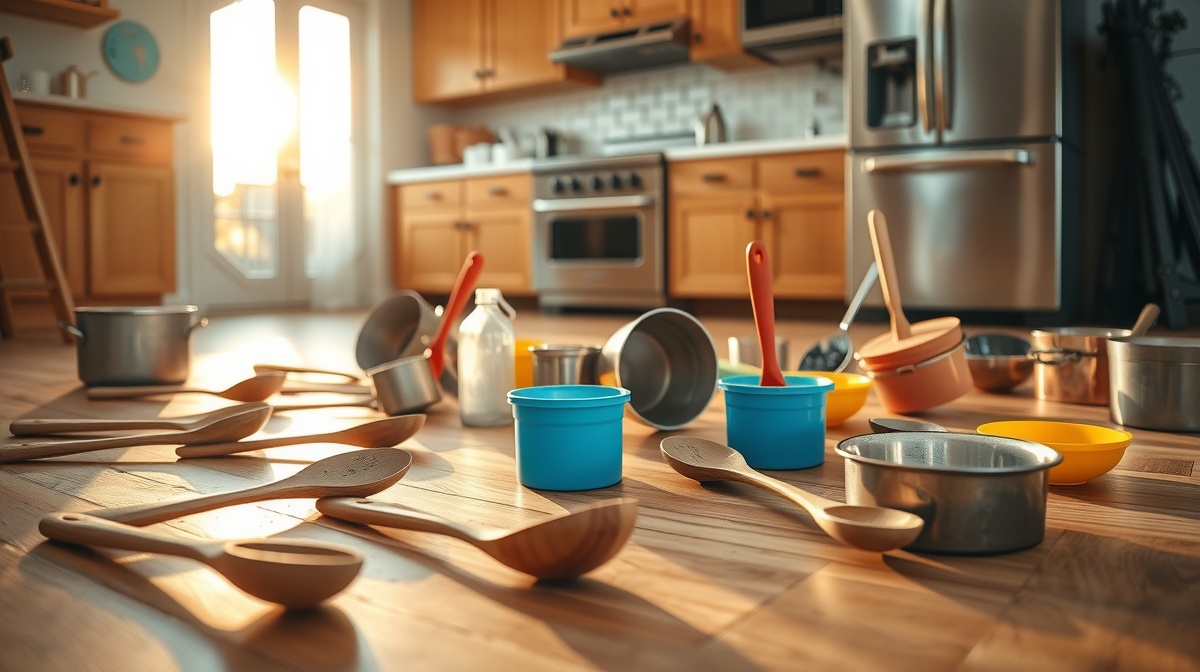
Create instruments from household items: wooden spoons and pots, rice in sealed containers for shakers, rubber bands stretched over empty tissue boxes for guitars.
Let them experiment with different sounds and rhythms. It's loud but engaging, and develops their sense of rhythm and cause-and-effect understanding.
The Real Talk About What Works
After three weeks of testing these activities, here's what I learned: your toddler won't love all 15. That's normal. My daughter gravitates toward sensory play and creative projects. My friend's son only wants movement activities and building challenges.
Pay attention to what naturally holds their interest, then lean into those categories. Also, timing matters. These activities work best when kids aren't hungry, tired, or overstimulated.
Most importantly, you don't need to entertain them every minute. Boredom is actually good — it's where creativity and independence develop. These activities are tools for when you need them, not a constant entertainment schedule.
The screen time guilt is real, but remember: you're doing a great job. Sometimes the iPad wins the day, and that's okay too. But when you're ready to mix things up, you now have 15 tested alternatives that actually work.
Your 2-year-old doesn't need expensive toys or elaborate activities. They need your attention, safe exploration opportunities, and permission to make a mess. Everything else is just bonus.