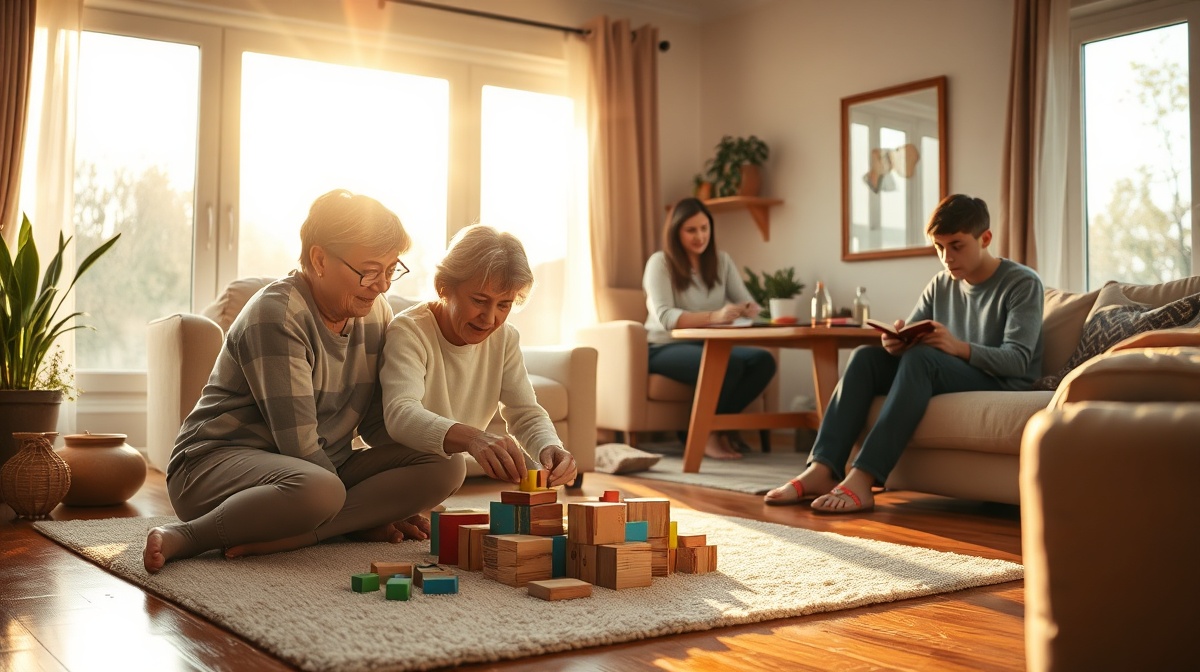
I’ll never forget the Saturday morning my 8-year-old daughter burst into tears because she overheard me telling my husband we couldn’t afford to go to the new trampoline park. I’d been beating myself up for weeks, thinking I was failing as a mom because our family fun budget had basically evaporated. But here’s what I discovered that completely changed my perspective: the activities my kids talk about most weren’t the expensive ones at all.
That camping trip to the expensive resort? They barely mention it. But the night we built a blanket fort in our living room and told ghost stories with flashlights? They still bring it up two years later. The $200 day at the theme park is a blur, but the afternoon we had a water balloon fight in our backyard became legendary family lore.
Here’s the truth that took me way too long to figure out: the best family memories don’t cost anything. Kids don’t remember price tags—they remember laughter, adventure, and feeling like they had your full attention. I’ve spent the last few years intentionally testing this theory, and I can tell you with complete confidence that some of our most treasured family moments happened for free.
This guide isn’t about settling for “good enough” activities because money’s tight. These are genuinely amazing experiences that happen to cost nothing. You could do any of these this weekend, and I guarantee your kids will be talking about them for months.
What Are Some Free Things to Do with Family? (The Short Answer)
Look, I get it—you need ideas fast, probably because the weekend’s approaching and you’re scrambling for plans that won’t drain your bank account.
Here’s the quick hit: nature scavenger hunts, backyard camping, cooking together, and DIY obstacle courses are my go-to free activities that never fail. They work because they combine three magic ingredients: novelty, togetherness, and just enough chaos to be memorable.
Free family activities are criminally underrated because we’ve been conditioned to think fun requires admission fees. But here’s the thing—some of my kids’ most requested activities are completely free. My youngest still asks weekly if we can do another “camping night” in our backyard, and my teenager actually puts down her phone when we do our neighborhood photo walks.
But here’s where it gets interesting: not all free activities are created equal. Some fall flat (trust me, I’ve tried plenty of Pinterest fails), while others become instant family traditions. Let me show you the ones that actually work.

Why Free Family Activities Matter More Than You Think
I used to carry around so much guilt about not being able to afford the “fun” stuff other families seemed to do effortlessly. Every Facebook post of families at expensive attractions made me feel like I was somehow shortchanging my kids.
Then I started paying attention to what my children actually remembered and talked about. The pattern was shocking: presence beats presents every single time. They didn’t care that our movie night cost $3 for popcorn instead of $60 at the theater. They cared that we all piled on the couch together and I didn’t check my phone for two hours.
There’s real psychology behind this. Kids process memories through emotional connection, not dollar amounts. The afternoon we spent two hours building the world’s most elaborate sidewalk chalk city? Pure gold. The expensive indoor play center where I spent most of the time scrolling my phone while they played alone? They can barely remember it.
And honestly? The budget relief is life-changing. When you realize you can create incredible family experiences for free, it takes this massive pressure off your shoulders. You stop saying “we can’t afford it” and start saying “what should we do together?”
These aren’t boring, desperate activities you resort to when money’s tight. These are the experiences families talk about for years.
The 15 Free Family Activities That Actually Create Lasting Memories
1. Backyard Camping (No Tent Required)
This is hands down the most requested activity in our house, and it couldn’t be simpler. You don’t need fancy gear or even a real tent—we’ve done this with sheets draped over lawn chairs and it was just as magical.
Here’s what makes it work: it feels like a real adventure without the expense and hassle of actual camping. Set up anywhere—your backyard, living room, even a balcony. Bring sleeping bags, flashlights, and snacks. The key is committing to the experience: sleep outside (or at least start to), tell stories, look at stars.
I’ll never forget our first attempt. My kids were 6 and 9, and we set up this ridiculous blanket fort on our back deck. We lasted until about 2 AM before retreating inside, but they talked about our “camping adventure” for months. Now it’s a regular summer tradition.
Pro tip: Download a free stargazing app like Stellarium. Suddenly you’re not just lying outside—you’re exploring the universe together.
2. Nature Scavenger Hunts in Your Local Park
This activity is pure magic because it keeps kids engaged for hours and costs absolutely nothing. I’ve watched my kids spend three hours at the same park they’d normally get bored at in thirty minutes, all because we had a list of things to find.
Create a simple list: something red, something smaller than your thumb, something that makes noise, a heart-shaped leaf. Seasonal variations work great—look for different colored leaves in fall, flowers in spring, animal tracks in winter.
The genius is that it slows kids down and makes them actually notice their environment. My daughter found a perfectly round stone during one hunt that she still keeps on her dresser. That’s the kind of memory you can’t buy.
Parks are honestly underrated for family time. They’re designed for families, they’re free, and there’s usually enough space for kids to be loud and energetic without bothering anyone.
3. Cooking or Baking Together (Using What You Have)
This one’s brilliant because it teaches life skills, creates something delicious, and gives kids a genuine sense of accomplishment. You don’t need special ingredients—some of our best cooking memories happened with basic pantry staples.
Our Friday night pizza-making tradition started completely by accident when I was too tired to order takeout. I threw together a basic dough recipe, set out random toppings, and let the kids go wild. The pizzas were honestly terrible, but the kids felt so proud of what they’d created. Three years later, it’s still their favorite Friday night activity.
Adjust for different ages: toddlers can dump pre-measured ingredients, teenagers can handle entire recipes solo. The key is giving them ownership of the process, not just letting them “help” while you do everything.
Real benefit: These recipes often become family traditions that get passed down. My kids already talk about teaching their future kids how to make “our family pizza.”
4. Movie Marathon Day with Homemade Snacks
Sometimes the best family activities are the coziest ones. This requires zero planning and feels genuinely indulgent, even though it costs nothing more than what you already pay for streaming services.
Create a “theater experience” at home: dim the lights, make popcorn, set up cozy seating arrangements. Let each family member pick one movie for a day-long marathon. The variety keeps it interesting—kids’ movies mixed with family classics.
The homemade snacks are key. We make “movie theater candy” with chocolate chips and nuts, hot chocolate for winter marathons, or frozen fruit for summer ones. It feels special without the $30 concession stand bill.
What makes this memorable isn’t just the movies—it’s the conversations afterward, the debates about which movie was best, the inside jokes that develop. My family still quotes lines from our first movie marathon day two years ago.

5. DIY Obstacle Course or Backyard Games Tournament
This is controlled chaos at its finest, and kids absolutely love it. Use whatever you have: traffic cones from the garage, hula hoops, jump ropes, chalk for marking boundaries. The setup takes twenty minutes, but the entertainment lasts for hours.
We’ve created “Olympics” days where each family member designs one event. My son’s contribution is always some variation of “throw the ball at the target,” while my daughter goes for elaborate crawling-under-things challenges. The variety keeps everyone engaged.
The competitive element works for all ages—you can time older kids while younger ones just focus on completing the course. Everyone gets medals (okay, construction paper ribbons, but they treasure them).
Real example: Our last backyard Olympics involved a sock-sliding contest across our kitchen floor. It was completely ridiculous and absolutely hilarious. My kids still rank it as one of their top ten family days ever.
6. Picnic in an Unexpected Location
Same food, different scenery—it’s amazing how much this simple change elevates a regular meal into a memorable experience. You don’t need elaborate food; sandwiches and fruit work perfectly.
The location is what makes it special. We’ve picnicked at the beach, on hiking trails, in our front yard, and once memorably on our apartment balcony during a rainstorm (we called it “indoor outdoor dining”). Change of scenery tricks your brain into thinking something special is happening.
Timing matters too. Sunset picnics hit different—there’s something about eating dinner while watching the sky change colors that feels almost magical. Pack simple food, a blanket, maybe a book or cards for afterward.
Budget angle: This gives you the togetherness of restaurant dining without the cost. Plus, kids can be as messy and loud as they want.
7. Photo Scavenger Hunt Around Your Neighborhood
This puts a modern twist on the classic scavenger hunt, and kids love it because they get to use phones or cameras creatively. Create a list of things to photograph: something yellow, an interesting shadow, something that makes you smile, a door you’ve never noticed.
What’s brilliant about this activity is how it slows everyone down and makes you notice details you’d normally walk right past. My kids discovered a tiny fairy door someone had painted on a tree in our neighborhood—we’d walked past it hundreds of times but never noticed.
The photos become keepsakes too. We print our favorites and make little photo books that capture not just images, but whole afternoons of exploration together.
Real benefit: It gets families walking and talking without it feeling like exercise or forced family time. The shared mission gives you natural conversation starters.
8. Build a Blanket Fort (The OG Activity That Still Works)
There’s a reason this classic never gets old—it taps into kids’ fundamental desire to create their own space. Every blanket fort feels like building a secret world, no matter how many times you’ve done it.
Don’t overthink the construction. Sheets draped over dining room chairs work just as well as elaborate engineering projects. Add flashlights for ambiance, bring in snacks, maybe create a “theme” like reading nook or movie theater.
I’ve learned not to stress about the mess or the fact that our living room looks like a tornado hit it. That chaos is part of the magic. The fort becomes headquarters for hours of imaginative play, and the setup process is half the fun.
Pro tip: Let kids lead the construction. They have surprisingly good instincts for fort architecture, and they’re more invested when it’s their design.
9. Stargazing with a Free App or Mythology Stories
This activity forces everyone to slow down and creates natural opportunities for conversation. There’s something about lying under stars that makes people more reflective and connected.
Use free apps like Stellarium or SkySafari to identify constellations and planets. For younger kids, focus on constellation mythology—the stories behind the star patterns are genuinely fascinating and easier to remember than scientific facts.
Find the darkest spot you can, even if it’s just your backyard. Bring blankets and maybe thermoses of hot chocolate for cooler nights. The key is staying out long enough for your eyes to adjust and for the initial novelty to settle into genuine wonder.
Why it works: Screen time that feels intentional and educational, plus it’s one of the few activities that naturally leads to big conversations about life, dreams, and the universe.
10. Talent Show or Family Performance Night
This builds confidence, creates hilarious memories, and gives kids a chance to be the center of attention in the best possible way. Set up a simple “stage” area, designate the rest of the family as audience, and let everyone perform whatever they want.
The performances are always wonderfully ridiculous: lip sync routines, comedy skits, dance performances, magic tricks that don’t quite work. The low stakes and friendly audience make it fun instead of stressful.
Record everything if kids are comfortable with it. These videos become absolute treasures—the kind of family memories you’ll watch together for years and laugh until you cry.
Memory factor: Silly moments stick with families in ways that perfectly executed activities don’t. The more ridiculous, the more memorable.
11. Themed Dinner Night (Based on a Favorite Movie or Country)
This engages multiple senses and turns a regular dinner into an immersive experience. Pick a theme—Italian night, Harry Potter feast, Mexican fiesta—and commit to it with food, decorations, maybe music or costumes.
You don’t need authentic ingredients or elaborate decorations. We’ve done “Italian night” with basic spaghetti, checkered tablecloths, and Dean Martin playing in the background. The effort is what makes it special, not the expense.
Let kids help with research and preparation. They love learning about different cultures and feel more invested when they’ve helped plan the experience.
Educational bonus: Geography, culture, and history lessons that don’t feel like lessons. My kids can tell you more about different countries from our themed dinners than from any textbook.
12. Free Community Events (Farmers Markets, Outdoor Concerts, Festivals)
This is where a little research pays off big time. Most communities have way more free family events than people realize—you just need to know where to look.
Check local websites, library bulletin boards, Facebook community groups, and city parks departments. We’ve discovered free outdoor concerts, cultural festivals, seasonal celebrations, and farmers markets that include kids’ activities.
These events expose kids to arts, culture, and community in ways that feel natural and fun. Plus, many include free samples, demonstrations, or hands-on activities.
Pro tip: Libraries are goldmines for free family programming. Story times, craft sessions, educational programs—most are completely free and designed for family participation.
13. Bike Riding or Walking Adventures
This sounds almost too simple to be meaningful, but choosing a destination transforms regular exercise into genuine adventure. Instead of “let’s go for a bike ride,” try “let’s bike to the ice cream shop and explore that park we always drive past.”
The destination gives purpose to the journey, and you often discover new favorite spots in your own neighborhood. We’ve found hidden playgrounds, interesting shops, and scenic viewpoints just by taking different routes to familiar places.
Scale it for different ages: short rides to nearby parks for little ones, longer explorations for teenagers. The key is framing it as adventure rather than exercise.
Real scenario: Our “adventure ride” to return library books turned into a three-hour exploration when we discovered a creek behind the library that was perfect for rock-skipping. Now it’s one of our regular spots.
14. Book Club or Story Time Night
This builds connection through shared imagination and creates natural opportunities for meaningful conversations. Choose books everyone can engage with, or take turns letting each family member pick.
Structure it simply: read together (or separately if kids are old readers), then discuss over snacks. What was your favorite part? Which character was most like you? What would you have done differently?
For mixed ages, choose books with enough depth for adults but accessible language for kids. Series work great because you build anticipation for the next installment.
Real benefit: Builds literacy naturally while creating shared references and inside jokes. Plus, it’s one of the few activities that automatically limits screen time without making it feel like a restriction.
15. Volunteer Together (Age-Appropriate Community Service)
This creates the most meaningful memories because kids remember times when they felt like they made a real difference. Look for family-friendly volunteer opportunities: animal shelters, food banks, park cleanups, reading to seniors.
Start small and age-appropriate. Young kids can help sort donations, older kids can participate in community service projects. The key is finding opportunities where they feel genuinely helpful, not just present.
Real story: We started volunteering at our local animal shelter, and my kids still talk about the dogs they helped socialize. It gave them perspective on helping others and created stories they’re proud to tell.
These experiences teach empathy and community responsibility while creating powerful family bonding moments. Kids remember feeling proud of helping together.
How Can Families Have Fun Without Spending Money? (The Strategy)
Here’s the mindset shift that changes everything: fun equals togetherness plus novelty, not cost. Once you understand that formula, you can create amazing experiences anywhere.
The “free activity formula” I’ve discovered works like this: take familiar elements (your house, your neighborhood, your family) and add one novel twist (new location, different timing, creative challenge). Backyard + camping elements = adventure. Regular dinner + theme = cultural experience. Same park + scavenger hunt = exploration.
Think about it weekly or monthly rather than daily. Plan one special free activity each weekend, then let regular family time fill the gaps. This creates anticipation without pressure.
Pro tip: Rotate between active, creative, and calm activities so nothing feels stale. Last weekend was hiking, this weekend is fort-building, next weekend is cooking together.
The Weekend Activity Sweet Spot: Timing and Planning
Weekends are prime time for memory-making because everyone’s available and the pressure of school schedules is off. But the key is simple planning, not rigid scheduling.
I’ve found the magic formula is mixing energy levels: one active activity, one calm one, one creative one. Saturday morning nature walk, afternoon movie marathon, Sunday morning cooking project. This prevents activity burnout while keeping everyone engaged.
Real schedule example: Saturday we might do a neighborhood photo walk (active + creative), then afternoon blanket fort movie time (calm). Sunday could be backyard obstacle course (active) followed by cooking dinner together (creative + practical).
Keep backup plans for bad weather—indoor fort building instead of park adventures, cooking projects instead of outdoor games. Flexibility prevents disappointment and teaches kids to adapt.
The beauty is that none of this requires advance booking, admission fees, or elaborate preparation. You can decide Friday night what Saturday will look like.
Budget-Friendly Family Activities: The Hidden Benefits Beyond Cost Savings
Look, the money savings are obvious and important—I’m not minimizing that. But I’ve discovered benefits that go way beyond just keeping cash in your wallet.
Creativity flourishes when you can’t just buy solutions. My kids have become amazing problem-solvers and innovators because we regularly create entertainment from scratch. They see cardboard boxes and think “fort materials,” not “trash.”
Family relationships strengthen when activities require cooperation rather than just parallel consumption. Building something together, solving scavenger hunt clues, or cooking a meal creates natural teamwork and communication.
Kids develop independence when they’re not passive consumers of expensive entertainment. They learn to create their own fun, which is honestly one of the most valuable life skills I can teach them.
Stress decreases (for parents) when you’re not constantly worried about affording family fun. You stop associating good parenting with spending money, which is incredibly freeing.
The confidence boost is real too. When your kids’ favorite memories are things you created together rather than experiences you purchased, you realize you’re enough. Your presence, creativity, and attention are the real gifts.
Here’s what I wish someone had told me years ago when I was stressed about not being able to afford elaborate family activities: your kids don’t want expensive experiences. They want your attention, they want to feel special, and they want to laugh together.
Every single activity on this list has created genuine, lasting memories in our family. Not one required spending money, but all of them required something more valuable: intentional time together.
Start with whichever activity sounds most appealing to your family right now. Don’t overthink it, don’t wait for the perfect weekend, and don’t worry about doing it “right.” The magic happens in the doing, not the planning.
Your kids will remember the Saturday you built blanket forts and told stories by flashlight long after they’ve forgotten every expensive outing you’ve stressed about affording. Trust me on this one—I’ve got the photo albums and the years of evidence to prove it.