
Last month, my friend Sarah called me at 10 PM, her voice shaky. "I think something's really wrong with Emma," she said about her 16-year-old daughter. "She hasn't left her room in three days except for school, and when I try to talk to her, she just explodes at me."
Here's what I told Sarah — and what I wish more parents knew: Most of us miss the first 3-5 warning signs of teen mental health struggles because we're so used to chalking everything up to "normal teenage behavior."
The gap between noticing something's off and actually getting help can be months or even years. I've seen it happen over and over again with families in my community. Parents know something isn't right, but they second-guess themselves. They wait. They hope it'll pass.
By the end of this article, you'll know exactly what to look for and have a clear first step to take tomorrow if you're worried about your teen.
Why This Matters: The Reality of Teen Mental Health
Let's get real for a second. One in five teenagers experiences a mental health issue. That's not a scary statistic meant to panic you — it's reality. And honestly? It means your teen has plenty of company if they're struggling.
I've noticed something interesting: single parents often feel extra guilt about their teen's mental health, as if working long hours or managing everything solo somehow caused the problem. That's not how this works. Mental health issues don't discriminate based on family structure or how "perfect" your parenting is.
Here's what actually matters: early intervention prevents escalation. The sooner you recognize the signs and get support, the better the outcome. Seeking help isn't admitting failure as a parent — it's being the kind of parent who pays attention and takes action.
Sign #1: Withdrawal from Friends and Activities They Used to Love
This one's tricky because teenagers naturally start pulling away from family around age 13-14. That's normal. What's not normal is when they completely disconnect from friends and activities that used to light them up.
Take my neighbor's son Jake. He played basketball obsessively for three years — shooting hoops in the driveway every evening, texting his teammates constantly. Then suddenly, he quit mid-season. Stopped hanging out with his basketball friends. Started spending entire weekends in his room.
His mom initially thought he was just "finding new interests." But when this pattern continued for four months, she realized something deeper was happening.
Here's what to watch for: Your teen stops responding to friends' texts, declines invitations they would've jumped at before, or drops activities they previously loved without a clear reason or replacement activity.
The key question isn't "Why don't you want to see your friends anymore?" (that'll get you nowhere). Try this instead: "I've noticed you're not hanging out with the soccer girls as much. What's changed about that for you?"
Sometimes they'll actually tell you.
Sign #2: Significant Changes in Sleep or Appetite
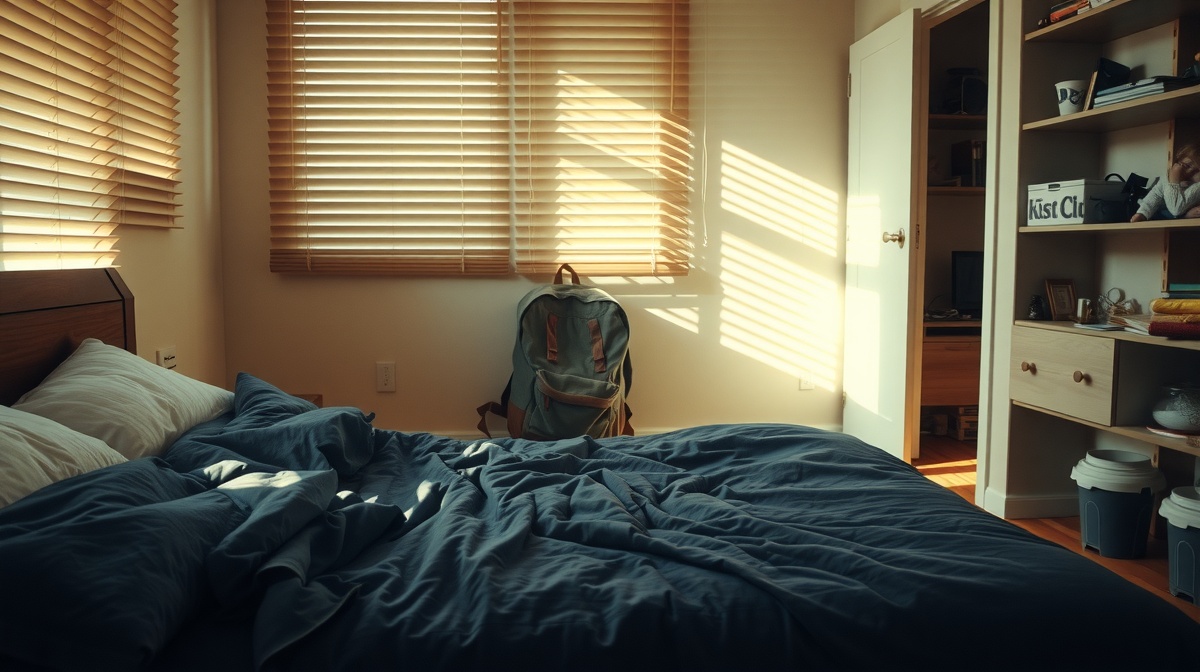
Teenagers are biologically wired to stay up later and sleep in longer. I'm not talking about that. I'm talking about dramatic shifts that disrupt their normal routine.
Watch for these patterns: sleeping 12-14 hours regularly, wide-awake insomnia at 3 AM (and it's not phone-related), sudden weight loss or gain, constantly saying they're "not hungry" when they used to eat everything in sight.
I learned this the hard way when I kept nagging my friend's daughter about being "lazy" because she was sleeping until 2 PM on weekends. Turns out she was lying awake with racing thoughts until 4 AM most nights. Her body was trying to catch up.
For single parents especially: Keep a simple log for two weeks if you're seeing these changes. Jot down sleep and eating patterns. This information is gold when you're talking to a doctor or therapist — and it helps you feel more confident that you're not imagining things.
Your teen's body often tells the story before their words do.
Sign #3: Sudden Drop in School Performance or Motivation
This isn't about one failed test or a bad week. I'm talking about sustained decline — A's dropping to C's, missing assignments piling up, teachers emailing you about concerns.
Here's what happens: depression and anxiety absolutely kill a teen's ability to focus and motivate themselves. It's not laziness. Their brain literally can't function the same way.
The parent trap? Assuming it's purely academic and increasing pressure. "You just need to try harder!" "Put your phone away and focus!" Sound familiar? This approach usually backfires because you're treating the symptom, not the cause.
Better first step: Request a meeting with your teen's school counselor before assuming this is about study habits. They see hundreds of kids and can often spot patterns you might miss. Plus, they can help determine if accommodations might be helpful while you're figuring out next steps.
Remember: a smart kid whose grades are tanking isn't suddenly stupid. Something else is going on.
Sign #4: Increased Irritability, Anger, or Emotional Volatility
Here's something that surprised me: depression in teenagers often looks like anger, not sadness. Your teen might be snapping over tiny things, slamming doors, having meltdowns over seemingly minor issues.
Most parents (myself included) write this off as "hormones" or "normal teenage attitude." But there's a difference between occasional moodiness and consistent patterns of explosive reactions.
I watched my friend's usually sweet 15-year-old daughter scream at her mom for "breathing too loud" while she was doing homework. The mom's first instinct was to ground her for disrespect. But when these outbursts kept happening over small triggers, she realized something deeper was going on.
The key difference: Normal teen irritation has clear triggers and doesn't last long. Concerning irritability feels disproportionate and frequent.
How do you respond? Stay calm (easier said than done), validate the emotion without accepting the behavior ("I can see you're really frustrated, but yelling isn't okay"), and don't take the outbursts personally.
That last part is the hardest, especially when they're directing their anger at you.

Sign #5: Negative Self-Talk and Loss of Confidence
Start paying attention to how your teen talks about themselves. Really listen.
"I'm so stupid." "Nobody likes me." "I can't do anything right." "I'm a failure." When this becomes their regular internal soundtrack, it's a red flag for depression or anxiety.
I remember a conversation with a friend whose daughter used to be confident in theater. Suddenly, after one mediocre audition, she was saying she was "terrible at everything" and "should just give up." This wasn't typical disappointment — it was a complete shift in how she saw herself.
What to listen for: Global statements about themselves that are harsh and absolute. "I always mess up" instead of "I messed up today."
Your response matters here. Don't immediately jump to "That's not true, you're amazing!" Instead, try gentle curiosity: "I've noticed you're being really hard on yourself lately. What's that about?"
Red flag alert: If self-criticism escalates to talking about self-harm or not wanting to be alive, this becomes urgent. More on that below.
Sign #6: Increased Risk-Taking or Reckless Behavior
Substance use, reckless driving, sexual behavior that seems out of character, self-harm, posting concerning content on social media — these behaviors often have parents panicking and jumping straight to punishment.
But here's what I've learned: sometimes risky behavior is actually a cry for help. Sometimes it's self-medication for anxiety or depression. Sometimes it's impulsivity tied to mental health issues.
This is especially hard for single parents who might think, "Did I miss this because I was working so much?" Let me be clear: you didn't cause this. Mental health struggles happen in every type of family structure.
The mistake most parents make? Assuming it's just "being a teenager" when it's actually a symptom of something that needs attention.
First step: Approach with curiosity, not immediate punishment. "I'm worried about some choices you've been making. Can we talk about what's going on?" Punishment often drives behavior underground, making it harder to help.
Sign #7: Physical Complaints Without Clear Medical Cause
Frequent headaches, stomachaches, fatigue, muscle tension — when doctors can't find a physical cause, many parents feel frustrated. "There's nothing wrong with them!"
Actually, there might be something very real happening. Anxiety and depression show up physically in teenagers more than most people realize. The mind-body connection is strong, especially during adolescence.
I know parents who've spent months going to specialists, getting tests, trying to find the "real" problem. When medical causes are ruled out, the next step isn't giving up — it's asking about emotional wellbeing.
Practical tip: Keep a simple symptom diary noting when physical complaints happen, what's going on that day, stress levels, sleep quality. This information helps mental health professionals connect the dots.
Your teen isn't faking it. Their body is responding to emotional stress in very real ways.
Sign #8: Talking About Death, Hopelessness, or "Not Being Around"
This gets its own section because it's the most serious warning sign, and it requires immediate action.
What to listen for: "Everyone would be better off without me." "I won't be here much longer." "I wish I could just disappear." References to death, giving away possessions, sudden peace after a period of depression.
What NOT to do: Dismiss it, minimize it, assume they're being dramatic, or hope it passes.
What TO do: Take it seriously every single time. Ask directly: "Are you thinking about hurting yourself?" This question doesn't plant ideas — it opens the door for help.
If the answer is yes, or if you're worried, contact the National Suicide Prevention Lifeline at 988 or text HOME to 741741 for the Crisis Text Line. Don't wait for Monday to call the therapist.
This isn't about overreacting. This is about taking your teen seriously when they're telling you they're in pain.

Sign #9: Excessive Social Media Use or Unhealthy Digital Habits
I'm not talking about typical teenage phone use (which, let's be honest, can look excessive to us). I'm talking about patterns that seem compulsive: hours-long scrolling sessions, phone constantly in hand even during meals, sleep disrupted by notifications, panic when separated from devices.
Social media can fuel anxiety, depression, and low self-esteem faster than anything else in a teen's environment. Cyberbullying, comparison culture, FOMO — it's a lot.
But here's where parents often go wrong: becoming the "phone police" without understanding what's actually happening online.
Better approach: Have conversations about what they're consuming online, not just how much time they're spending. "What kind of stuff are you seeing on Instagram lately?" "How do you feel after scrolling TikTok?"
Sometimes the content is more concerning than the time spent.
Sign #10: Expressing Hopelessness About the Future
This one's subtle and easy to miss because it can sound like normal teenage pessimism about homework or college stress.
But listen for the difference: "I have so much homework, ugh" versus "What's the point of any of this? Nothing will get better."
Examples that should concern you: "I don't see the point." "Nothing matters." "I have no future." "Why try?" When this becomes their default response to questions about school, plans, or goals.
This indicates depressive thinking patterns that can get worse without support.
Your response: Gently challenge the thinking while validating the feeling. "It sounds like everything feels pointless right now. That must be really hard. Can you tell me more about what's making you feel that way?"
If this persists beyond a few days, it's time to seek professional support.
How Do I Know If My Teenager Needs Therapy?
Honestly? If you're asking this question, it's probably worth exploring.
Here's my rule of thumb: if any of the above signs last more than two weeks, or if you're seeing multiple signs at the same time, therapy is a good idea. You don't need a crisis to justify getting help.
I tell parents to think of therapy like a check-up. A few sessions won't hurt and might help enormously. Many therapists offer a free 15-minute consultation call where you can describe what you're seeing and get their professional opinion.
Practical first step: Start with your teen's primary care doctor for a referral. They can also rule out any physical causes and help you feel confident you're making the right choice.
The stigma around therapy is fading, especially with teenagers. Many teens are actually relieved when parents suggest it because it means someone's finally taking their struggles seriously.
What Are Signs of Depression in Teens?
Depression looks different in teenagers than it does in adults, which is why it's often missed.
The signs most specific to teen depression: withdrawal from friends and activities, significant sleep or appetite changes, hopelessness about the future, lack of motivation (especially with school), and here's the big one — irritability and anger.
Adult depression often looks like sadness. Teen depression often looks like anger.
Timeline matters: We're not talking about a bad week or normal adjustment to a stressful situation. Depression symptoms persist for weeks or months and interfere with your teen's ability to function normally.
The physical complaints are real too — headaches, stomachaches, fatigue. Don't dismiss these just because medical tests come back normal.
Most important thing to remember: Depression is treatable. The sooner you recognize it and get help, the better the outcome for your teen.

Taking the Next Step
Look, parenting a teenager is hard enough without worrying about mental health on top of everything else. But here's what I've learned from watching families navigate this: your instincts matter.
If something feels off, trust that feeling. You know your kid better than anyone else.
Start with one conversation. Not a big intervention, just a genuine check-in: "I've noticed you seem stressed lately. What's going on?" Sometimes that's all it takes to open the door.
And remember — getting help for your teen isn't a reflection of your parenting. It's exactly the kind of parenting they need right now.
Your teen is lucky to have someone who's paying attention and cares enough to ask the hard questions. That's already more than many kids get.