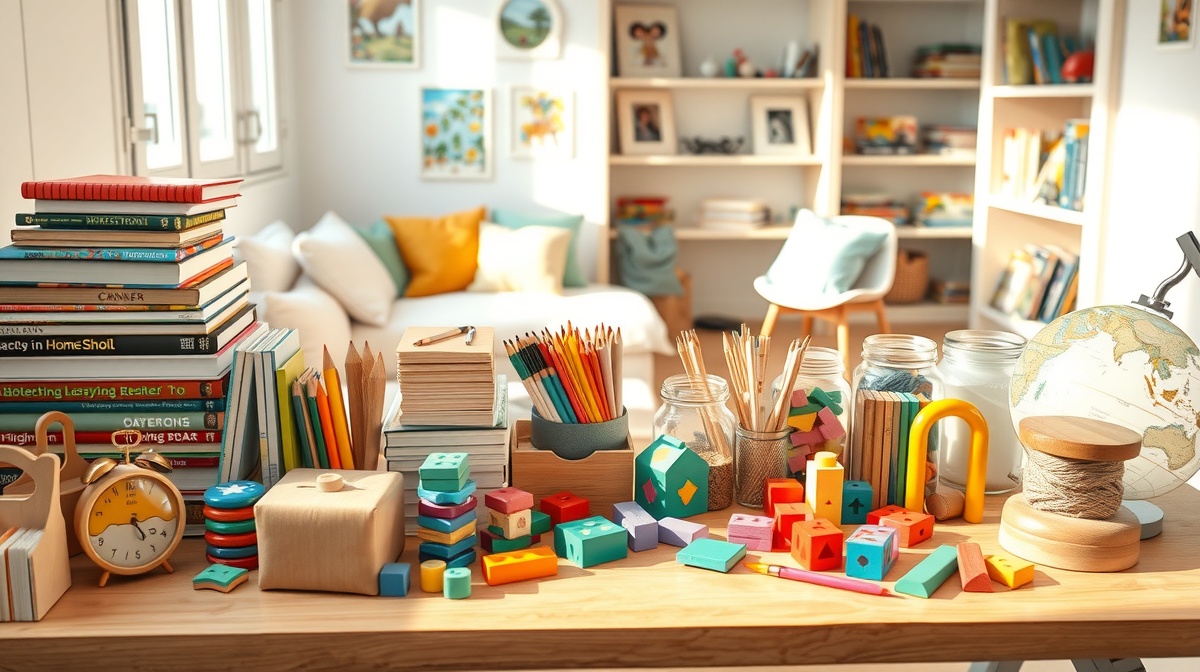
The "Homeschool Burnout" Nobody Talks About
I still remember the meltdown. It was week three of our homeschool journey, and I'd spent the morning battling my 5-year-old through phonics worksheets. Tears (from both of us), crumpled papers, and a defeated little voice saying, "I'm not smart, Mommy."
That's when it hit me: I was trying to recreate a classroom at our kitchen table, and it wasn't working.
Here's what most homeschool resources won't tell you—you don't need rigid schedules and endless worksheets to teach a kindergartener. You need engagement. Research consistently shows that 5-year-olds learn best through play-based, hands-on experiences, not sitting still for 45-minute lessons.
The shift from "sit-down learning" to "learning through play" changed everything in our house. My daughter started asking questions again. She began exploring ideas instead of just following instructions. And honestly? I started enjoying our learning time together instead of dreading it.
The homeschool activities for 5-year-olds that actually work are the ones designed around how kindergarteners naturally learn—through movement, exploration, and discovery. That's exactly what I'm sharing with you today.
What Activities Should I Do With My 5-Year-Old Homeschooler? (And Why Traditional Lessons Might Be Missing the Mark)
If you're asking this question, you're already ahead of the game. Most parents jump straight into curriculum without understanding how 5-year-olds actually absorb information.
The Learning Style Reality Check
Here's the truth: five-year-olds have attention spans of about 10-15 minutes for focused activities. They need to move their bodies to engage their brains. They learn through their senses—touching, smelling, hearing, and yes, sometimes tasting things they probably shouldn't.
I spent my first month trying to force 45-minute lessons. That was my mistake. When I started honoring my daughter's natural learning rhythm, everything clicked.
Core Categories of Activities That Work
The most effective homeschool activities for this age fall into four categories:
Hands-on learning is non-negotiable. Five-year-olds need to manipulate objects, build things, and get their hands dirty. This isn't just fun—it's how they understand abstract concepts.
Movement-based activities aren't just for burning energy. They're actually building neural pathways and helping kids regulate their emotions and attention.
Creative expression gives kids a voice and builds confidence. At five, they're not worried about making mistakes—unless we teach them to be.
Social-emotional development happens naturally through play and interaction. These skills are just as important as academics at this age.
Now, let's dive into the specific activities that transform learning from a battle into an adventure.
Activity #1: Nature Scavenger Hunts (The Gateway Activity)
This is where I tell every new homeschool parent to start. Nature scavenger hunts work because they combine movement, discovery, and that treasure-hunt excitement that five-year-olds crave.
Last week, my daughter spent 20 minutes examining different leaf shapes, naturally learning about patterns and categorization without realizing she was "doing school." That's the magic of this activity—the learning is invisible to them.
How to set it up: Create a simple list with pictures (since most five-year-olds aren't reading fluently yet). Include items like "something rough," "something smaller than your thumb," or "something that makes noise." Give them a small bag or basket—this makes it feel official and important.
Seasonal variations work beautifully. Summer hunts focus on colors and textures. Fall brings shape and size comparisons. Winter? Ice formations and animal tracks. Spring is perfect for growth and change observations.
The learning outcomes are impressive: observation skills, vocabulary expansion, gross motor development, and scientific thinking. Plus, you'll get fresh air and a tired kid—that's a homeschool win.
Pro tip: Bring a magnifying glass. Five-year-olds become instant scientists when they can examine their discoveries up close.
Activity #2: Sensory Bins (The Quiet-Time Goldmine)
If you have a hands-on learner (and most five-year-olds are), sensory bins will become your secret weapon. These are simply containers filled with materials that invite exploration and discovery.
Here's why parents love them: they buy you 30 minutes of focused, independent play while you prep lunch or answer emails. That's not lazy parenting—that's strategic.
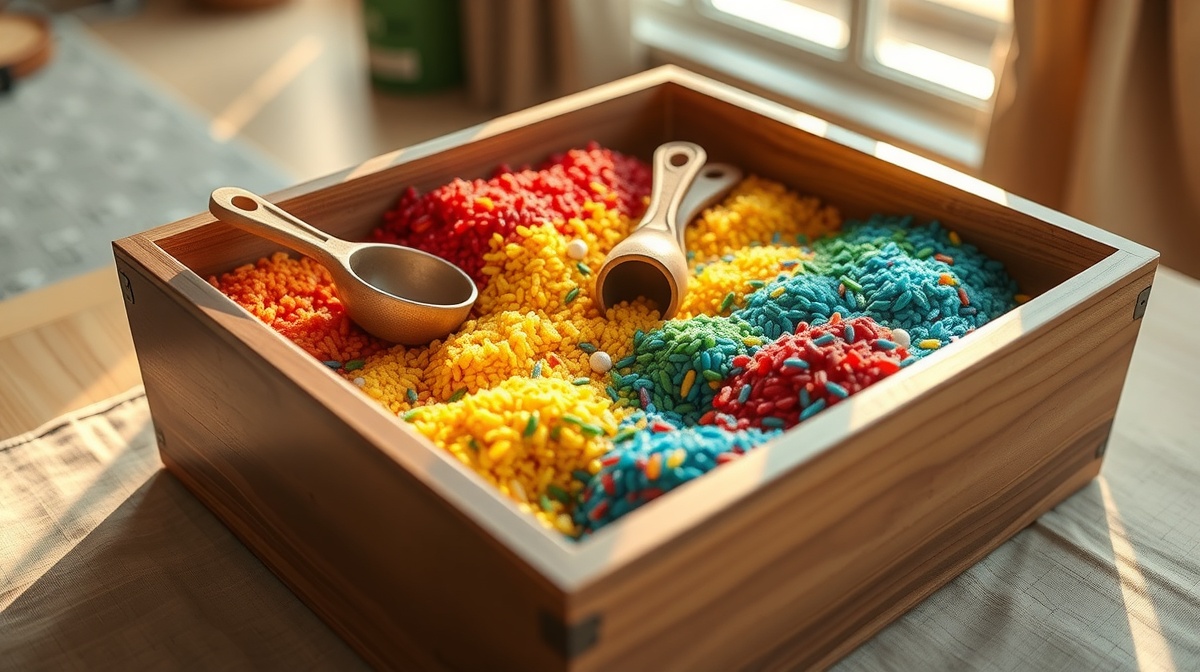
Rice and scoops bin: Fill a large container with colored rice (add food coloring and vinegar, let dry). Add measuring cups, spoons, and small toys to find. Your child practices fine motor skills, pouring, and measuring without worksheets.
Water and floating objects: Use a shallow bin with warm water, floating toys, measuring cups, and droppers. Add food coloring to watch color mixing happen naturally. This teaches cause and effect, color theory, and scientific observation.
Kinetic sand and tools: This magical sand holds its shape but flows like liquid. Add cookie cutters, small shovels, and hidden treasures. Kids develop tactile awareness, creativity, and focus.
Safety note: Always supervise, especially with small objects that could be choking hazards.
The real magic happens in their concentration. I've watched my son spend 45 minutes transferring rice between containers, completely absorbed in the process. That's deep learning happening through play.
Activity #3: Cooking Together (The Sneaky Math Lesson)
Cooking is the most underrated educational tool for five-year-olds. It's practical life skills wrapped up with embedded academics—and they have no idea they're learning.
My son learned to count to 10 because he needed exactly 10 chocolate chips for his cookies. He understood "more" and "less" through measuring flour. He practiced following sequential steps and saw immediate, delicious results.
No-bake energy balls are perfect for beginners. Mix oats, honey, peanut butter, and add-ins. Kids practice measuring, mixing, and counting as they roll balls. The math is natural and necessary.
Homemade playdough teaches following directions and color mixing. One cup flour, half cup salt, water and food coloring. They see fractions in action and create something they'll play with for hours.
Cookie decorating combines fine motor practice with creativity and math. "Can you put 5 sprinkles on each cookie?" Boom—one-to-one correspondence and counting practice.
Kitchen setup tip: Use a learning tower or sturdy step stool so they can reach comfortably. Put ingredients in small bowls so little hands can manage them easily. Expect mess—it's part of the process.
The confidence boost is incredible. There's something powerful about a five-year-old saying, "I made this!" The pride in their voice is worth every flour footprint on your kitchen floor.
Activity #4: DIY Science Experiments (The "Wow" Factor)
Simple science experiments capture five-year-old attention because they create that magical "wow" moment. These activities teach the scientific method before kids even know that's what they're doing.
Baking soda volcanoes never get old. Mix baking soda, dish soap, and food coloring in a container. Add vinegar and watch the eruption. Kids learn about chemical reactions, cause and effect, and color mixing all at once.
Sink or float predictions turn bath time into science class. Gather various objects and ask your child to predict what will happen. Let them test their hypotheses. This teaches scientific thinking and observation skills.
Magic milk is pure science magic. Pour milk in a shallow dish, add drops of food coloring, then touch with a cotton swab dipped in dish soap. The colors dance and swirl, teaching surface tension and creating beautiful art.
Most materials come from your pantry, making these experiments accessible and spontaneous. The key is guiding exploration without giving away the answer. Ask questions like "What do you think will happen?" and "Why do you think that occurred?"
These activities teach critical thinking, observation skills, and cause-and-effect relationships. More importantly, they build a love of discovery that will serve your child throughout their educational journey.
Activity #5: Story Stones and Narrative Building (The Creativity Booster)
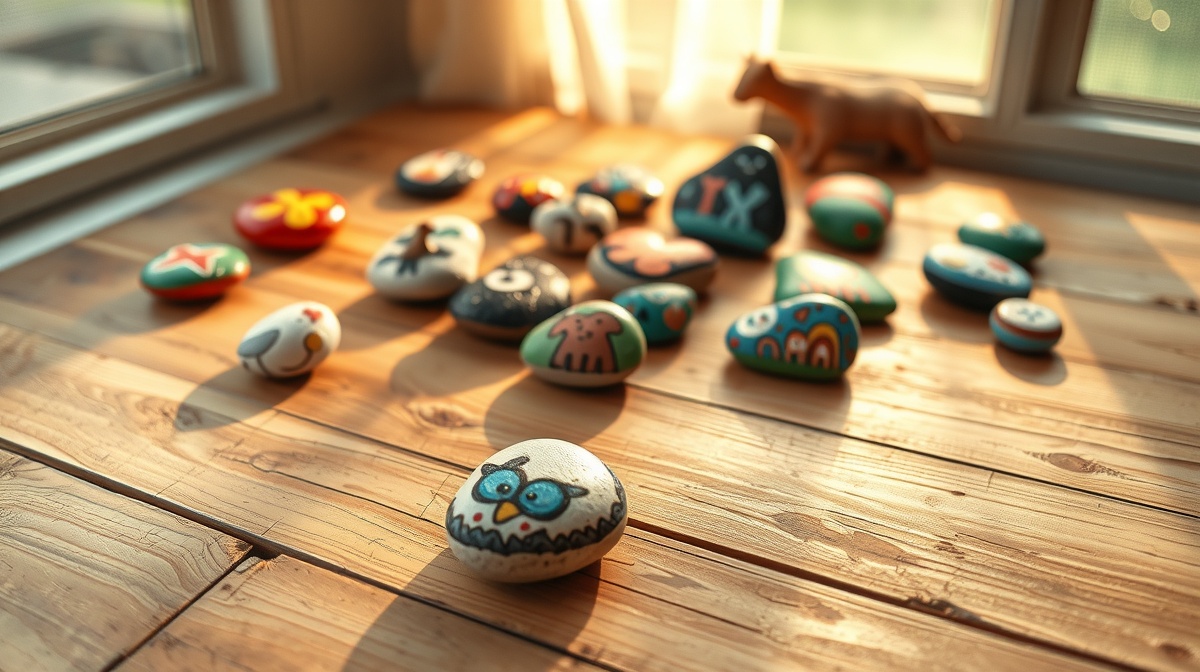
Story stones transformed my shy five-year-old into a confident storyteller. These simple tools—rocks painted with images or pictures glued to stones—unlock creativity and language development in amazing ways.
Making DIY story stones is half the fun. Paint smooth rocks with simple images: animals, objects, people, weather. Or print small pictures and mod podge them onto stones. The preparation builds anticipation and ownership.
Here's the guided structure that works: Your child pulls a stone, you ask open-ended questions like "What's happening here?" or "Who do you think this character is?" Let them build the story naturally, then write down their words so they see their ideas matter.
Last month, my daughter created a 5-minute story about a dragon who was afraid of butterflies. I'd never heard her talk that long about anything. The magic happens when they realize their imagination has value and an audience.
The learning outcomes are impressive: language skills development, narrative thinking, confidence building, and imagination expansion. Kids learn story structure naturally—beginning, middle, end—without formal instruction.
Story stones work especially well for reluctant talkers or kids who struggle with traditional writing activities. They remove the pressure of "getting it right" and focus on creative expression.
Activity #6: Art Exploration Stations (The No-Judgment Zone)
Traditional art instruction often misses the point at this age. Five-year-olds don't need to learn perspective or color theory—they need to explore, experiment, and express themselves without judgment.
I rotate weekly art stations in our learning space, each focused on different exploration:
Collage station with magazines, safety scissors, glue sticks, and paper. Kids practice cutting skills, design thinking, and creative composition. No rules, just creation.
Painting exploration with brushes, sponges, and finger paints. Color mixing happens naturally when they discover yellow and blue make green. Brush control develops through experimentation, not instruction.
Playdough sculptures encourage 3D thinking and fine motor development. Add tools like rolling pins, cookie cutters, and plastic knives for extended exploration.
Nature art using collected leaves, twigs, and flowers. Kids create temporary art while connecting with natural materials and developing an eye for natural beauty.
Setup tip: Use a plastic tablecloth and have wet wipes ready. Independence is key—they should be able to access and clean up materials themselves.
The goal isn't a masterpiece for the fridge. It's the process, the confidence, and the creative thinking. I've learned to ask "Tell me about your creation" instead of "What is it?" The stories they share are always more interesting than what I initially saw.
Activity #7: Letter and Number Hunts (The Sneaky Academics)
Turning letter and number recognition into an active game works so much better than flashcards or workbooks. Kids learn faster when they're moving and discovering rather than sitting and drilling.
Around-the-house hunts use materials you already have. "Can you find the letter 'B' on cereal boxes, magazines, or books?" They're reading environmental print and building letter recognition simultaneously.
Outdoor hunts focus on numbers in the real world—house numbers, signs, license plates. This shows kids that math exists everywhere, not just in workbooks.
Sensory hunts hide letters in kinetic sand, rice, or playdough. Kids dig and discover while building tactile letter recognition. The physical search makes the learning memorable.
My son learned his letters faster hunting for them than when I showed him flashcards. The movement and discovery element engaged his whole brain, not just his visual memory.
Make it competitive without pressure by racing against the clock rather than each other. "How many A's can we find in 5 minutes?" This builds excitement without creating winners and losers.
The learning outcomes include letter and number recognition, phonemic awareness, and active engagement with academic concepts. More importantly, kids see literacy and numeracy as fun adventures rather than boring requirements.
Activity #8: Music and Movement Sessions (The Energy Release)
Movement isn't just for burning energy—it's essential for brain development, focus, and emotional regulation in five-year-olds. When kids move, they learn better.
Dance freeze games teach listening skills and following directions while building rhythm awareness. Play music and dance, then freeze when it stops. Add challenges like "freeze like a statue" or "freeze in a yoga pose."
Instrument exploration doesn't require expensive equipment. DIY shakers from rice in containers, drums from pots and wooden spoons, or xylophones from glasses with different water levels. Kids explore sound, rhythm, and cause and effect.
Yoga for kids builds body awareness and provides calming techniques. Simple poses like downward dog, tree pose, or child's pose help kids connect with their bodies and develop balance.
Action songs combine learning with movement. "Head, Shoulders, Knees and Toes" teaches body parts. Counting songs with clapping or jumping make math physical and memorable.
I structure 15-minute movement sessions when I notice energy building or attention wandering. Sometimes the best academic learning happens after they've moved their bodies and regulated their nervous systems.
The reality is that traditional schooling asks kids to sit still for hours, but five-year-olds aren't developmentally ready for that level of stillness. Movement-based learning honors their natural development while building essential skills.

Activity #9: Building and Construction Projects (The Problem-Solver)
Building activities are seriously underrated in early childhood education. They develop spatial reasoning, problem-solving skills, and persistence—all critical thinking skills that transfer to academics later.
Materials to keep on hand don't have to be expensive. Wooden blocks, cardboard boxes, Legos or Duplos, pipe cleaners, and straws provide endless building possibilities. Recycled materials often work better than store-bought options.
Project prompts guide without controlling the outcome. "Build a house for your stuffed animal" or "Create a bridge across the table" give direction while leaving room for creativity and problem-solving.
Last week, my daughter spent 45 minutes solving the problem of how to make a stable tower. She tried different configurations, analyzed what wasn't working, and adjusted her approach. That's engineering thinking in action.
The key is guiding without controlling. Ask questions like "What would happen if you tried this?" or "How could you make it stronger?" Let them discover solutions through trial and error.
Building activities develop spatial reasoning (critical for math), problem-solving skills, persistence through challenges, and fine motor skills. They also build confidence as kids see their ideas take physical form.
Storage tip: Use clear containers so kids can see available materials. Accessibility encourages independent exploration and creativity.
Activity #10: Dramatic Play Setups (The Underrated Goldmine)
Pretend play is serious learning disguised as fun. Through dramatic play, five-year-olds process emotions, practice social skills, and explore different roles and scenarios safely.
Easy dramatic play setups use minimal materials but maximum imagination:
Grocery store with play food, a cash register (or box), and shopping bags. Kids practice math through "purchasing," social skills through interaction, and vocabulary through food names and shopping language.
Doctor's office with bandages, toy stethoscope, and stuffed animal patients. This helps kids process medical experiences and develop empathy while practicing caring behaviors.
Restaurant or café with menus, notepads, and play food. Kids practice writing through order-taking, math through "payment," and social interaction through customer service.
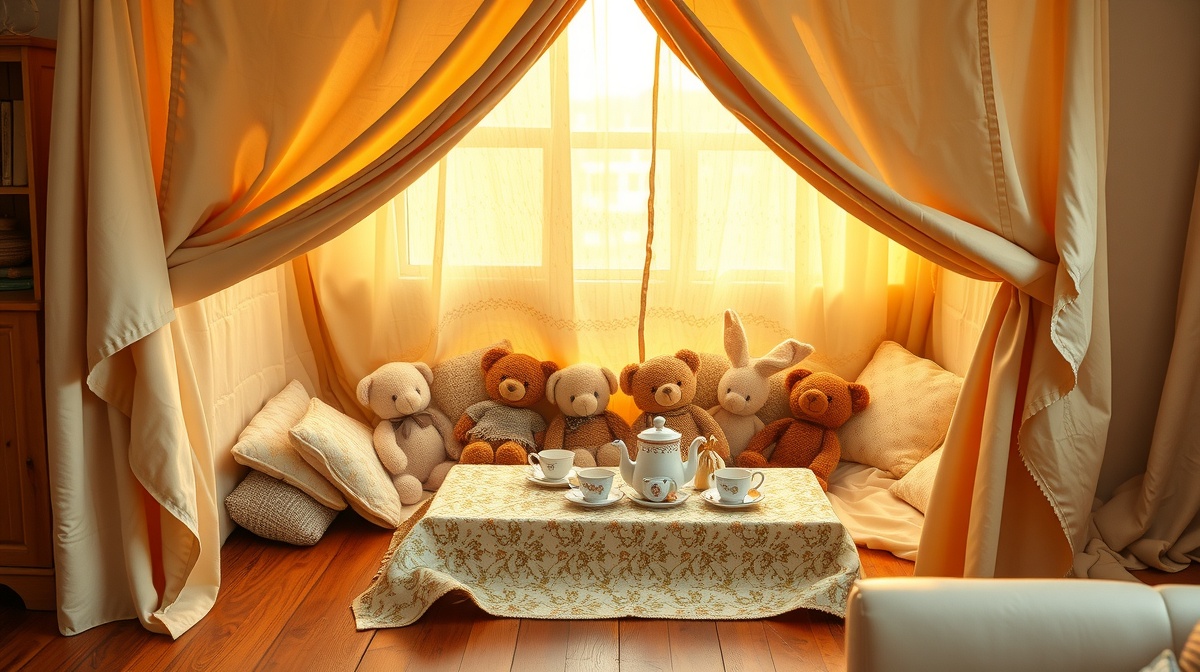
Camping or adventure setup with blankets, flashlights, and backpacks. This builds narrative thinking, problem-solving, and imaginative play while processing adventure stories.
Through our pretend grocery store, my son worked through his anxiety about new foods. He "sold" vegetables to his stuffed animals and gradually became more willing to try them in real life. Dramatic play provides safe spaces for working through real challenges.
The learning outcomes are extensive: social-emotional development, language skills, mathematical thinking, and creative problem-solving. Kids also develop empathy by taking on different roles and perspectives.
Making It All Work in Real Life
Look, I know this list might feel overwhelming. You don't need to do all ten activities every week—that's a recipe for burnout. Instead, choose 2-3 activities that match your child's interests and your energy level.
Some weeks we're all about nature exploration. Other weeks we live in the kitchen, cooking and experimenting. The beauty of homeschooling five-year-olds is the flexibility to follow their interests and natural learning rhythms.
Remember that engagement beats perfection every time. A child who's excited about learning will absorb more in 20 minutes of hands-on exploration than in an hour of forced worksheets.
The goal isn't to replicate a classroom—it's to create something better. Something that honors your child's natural curiosity, respects their developmental needs, and builds a lifelong love of learning.
Trust me, the tears and crumpled papers were worth it to get to this place where learning feels like play and my daughter asks, "What are we exploring today?" instead of "Do we have to do school?"
That's the transformation these activities can create in your homeschool too.